
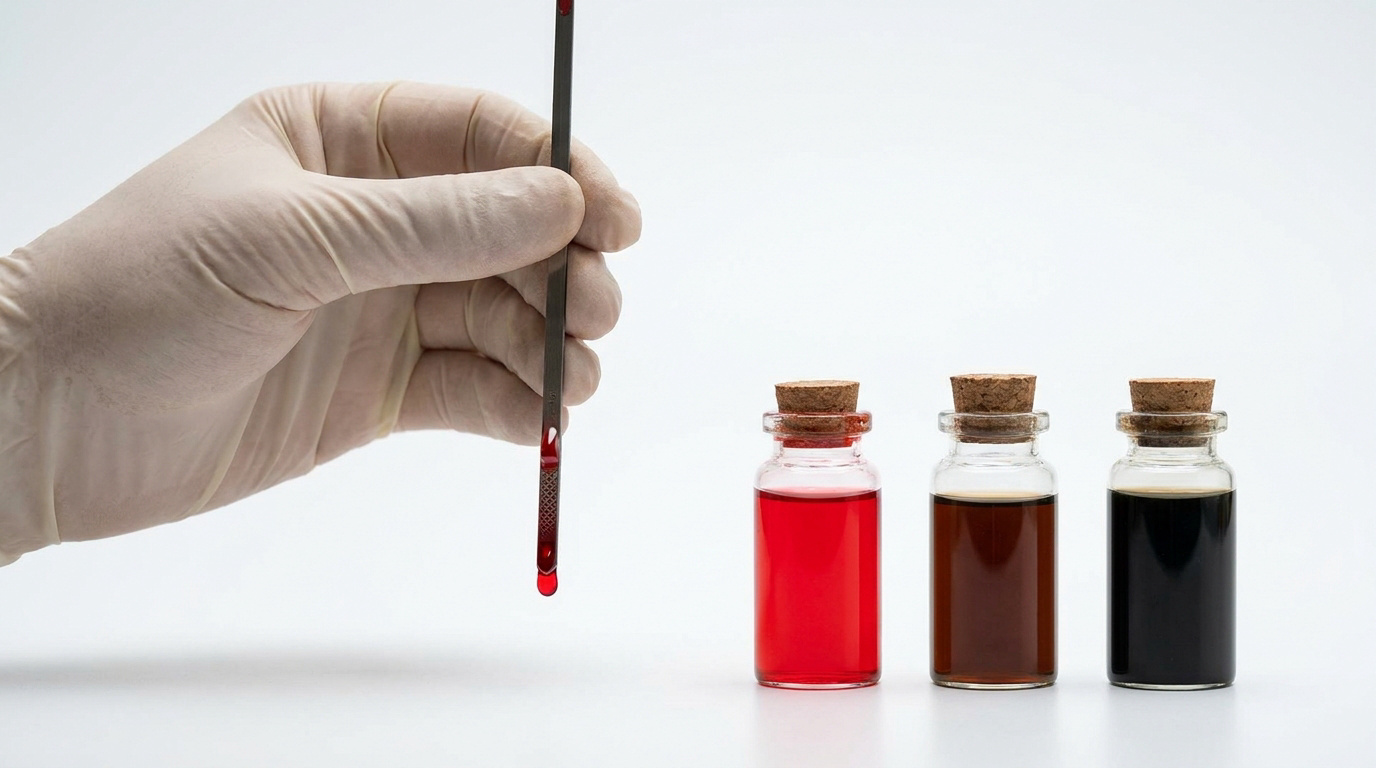
Key takeaway: Monitoring your transmission fluid’s color is the ultimate diagnostic tool for gearbox health. While pristine red fluid ensures peak performance, a transition to oxidized brown or burnt black signals imminent mechanical distress. Most critically, a milky pink texture reveals fatal coolant contamination, requiring immediate professional intervention to save your high-performance investment from catastrophic failure.
New automatic transmission fluid typically displays a translucent, bright red hue, a specific dye choice designed by manufacturers to simplify leak diagnostics. However, as heat and friction take their toll, this pristine lubricant inevitably darkens, signaling a decline in its protective capabilities. You might find yourself questioning if that deepening shade is a normal sign of aging or a precursor to a catastrophic mechanical failure.
Determining exactly what color is the transmission oil and when a refresh is required becomes a vital skill for maintaining peak performance. We will examine the visual spectrum of fluid degradation and establish the ideal service intervals to safeguard your gearbox.
- Decoding the Transmission Oil Color Spectrum
- Tracking Degradation from Heat and Friction
- Determining the Right Time for a Fluid Refresh
- Expert Tips for Prestige Vehicle Owners
Decoding the Transmission Oil Color Spectrum
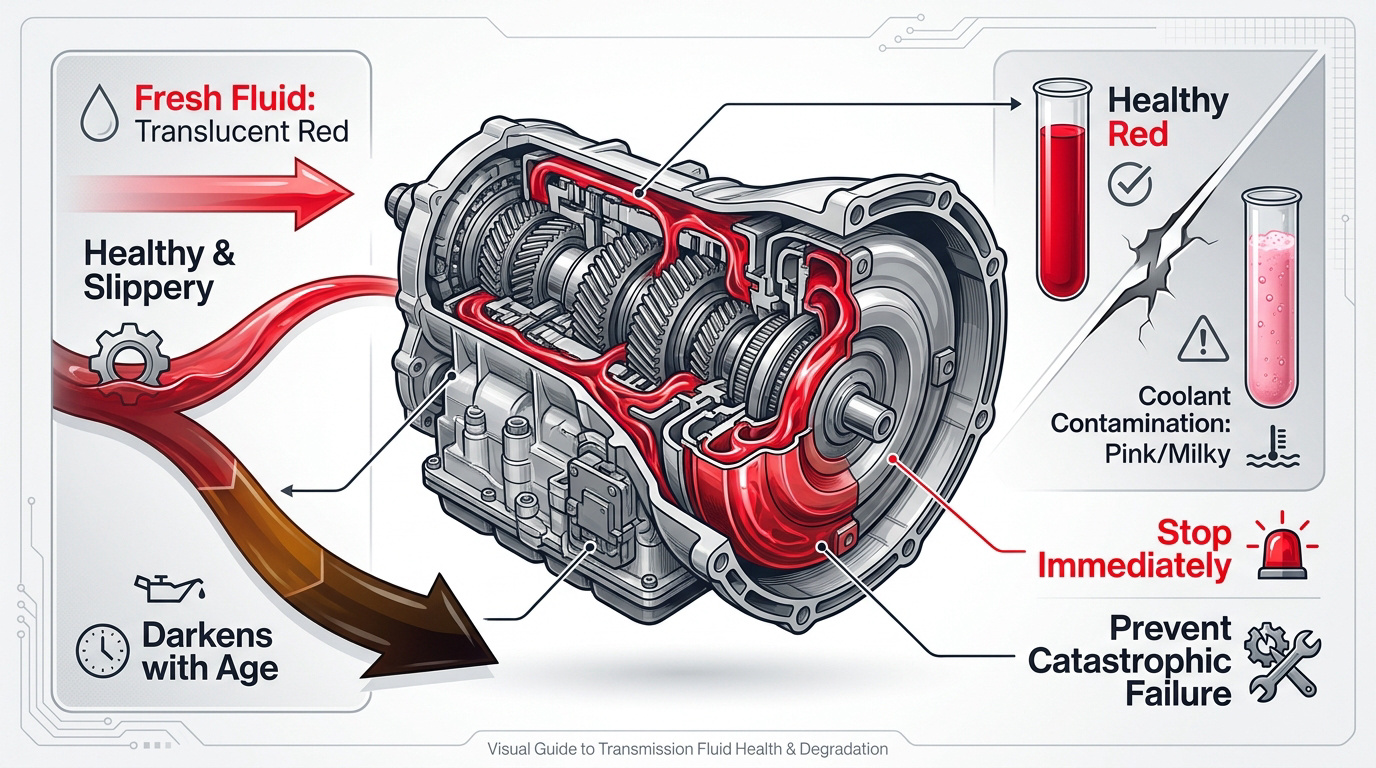
Healthy transmission fluid is translucent red, but degrades to brown or black with age. Pink, milky textures signal fatal coolant contamination. Regular visual checks prevent catastrophic gearbox failure in high-performance prestige vehicles.
Checking the hue of your Automatic Transmission Fluid (ATF) is a simple yet vital diagnostic step for any enthusiast.
The Signature of Fresh and Healthy Fluid
New ATF displays a bright, translucent red color. This specific dye helps owners distinguish it from darker engine oils or green coolants during leaks. It is a clear visual marker.
Pristine fluid feels slippery and remains almost odorless. It maintains a consistent viscosity for smooth hydraulic pressure. Any deviation from this clarity suggests early oxidation is starting to occur.
High-end manufacturers use these dyes for quick diagnostics. It is the first line of defense for your transmission.
Warning Signs of Milky or Pink Contamination
The “strawberry milkshake” appearance is a nightmare scenario. This happens when coolant mixes with the fluid. It usually points to a failed heat exchanger within the radiator unit.
Water destroys the friction material on clutch plates quickly. It also causes internal seals to swell and eventually fail completely. The chemical integrity of the system vanishes instantly.
I have seen how a Ferrari or any high-performance machine suffers when fluids mix. This contamination ruins the delicate internal balance of the gearbox.
Stop driving immediately if you see this. Professional intervention is the only way to save the unit.
Tracking Degradation from Heat and Friction
While contamination is an external threat, the natural aging process of the oil tells a different story about your driving habits.
The Transition to Oxidized Brown Shades
Observe the shift to light brown. This change indicates the beginning of oxidation. Thermal stress breaks down the additives designed to protect the gears and manage heat.
High-performance engines demand more from lubricants. These powerplants generate massive heat. Consequently, the fluid darkens much faster than in a standard commuter car, requiring vigilant monitoring of its state.
- Light brown: normal wear
- Dark brown: service needed soon
- Opaque brown: oxidation complete, replace now
Black Fluid and the Stench of Burnt Clutches
Black fluid is a critical warning. It often contains carbonized friction material from the internal clutches. This means the oil is no longer lubricating. It is actually grinding the components down, which I find particularly alarming.
Address the acrid, burnt smell. This odor is unmistakable and signifies mechanical distress. If you smell this on the dipstick, the damage might already be internal, necessitating a professional diagnostic to avoid total failure.
For those maintaining a high-performance icon, understanding mechanical heritage is key, much like the Lamborghini Diablo history and specifications. Proper lubrication remains the ultimate priority.
Determining the Right Time for a Fluid Refresh
Understanding the colors is vital, but knowing when to act based on your specific usage is what saves the gearbox.
Balancing Mileage Against Aggressive Track Usage
Manufacturer intervals are often too optimistic. For spirited driving, you must cut these intervals in half. Track days put immense pressure on the fluid’s molecular structure.
High-strung prestige gearboxes hate idling in heat. Stop-and-go traffic is just as taxing as high-speed runs. These environments degrade the oil’s protective properties rapidly.
We believe maintenance is non-negotiable for performance. This Jeep Trackhawk guide showcases how extreme power demands rigorous fluid oversight. Never neglect your high-performance machine’s health.
Choosing Between a Simple Drain or a Full Flush
A simple drain only removes about 40% of the fluid. The rest stays in the torque converter. A full flush replaces everything but carries risks for older, neglected systems.
Never change the oil without swapping the filter. Debris trapped in the old mesh quickly contaminates fresh lubricant. This step is vital to prevent internal varnish buildup.
| Service Type | Fluid Replaced | Risk Level | Recommended for |
|---|---|---|---|
| Drain & Fill | ~40% | Low | Routine maintenance |
| Full Flush | ~100% | High | High-performance needs |
| Filter Service | Varies | Low | Every fluid change |
Expert Tips for Prestige Vehicle Owners
Maintaining a supercar requires a different mindset and specific technical knowledge compared to a daily driver. Beyond the simple question of what color is the transmission oil, these mechanical masterpieces demand a surgical approach to maintenance.
Navigating the Lack of a Traditional Dipstick
Modern luxury cars often feature sealed units. There is no dipstick under the hood. You must rely on electronic sensors or specialized service ports underneath the chassis.
Checking levels requires a lift. The car must be level and the fluid at a specific temperature. Use a digital scanner to read the internal thermistor accurately.
Precise monitoring relies on modern technology. These systems replace old manual checks with high-tech sensors.
Why OEM Approval is Non-negotiable for Supercars
Dual-clutch systems are incredibly sensitive. They require specific friction modifiers found only in OEM-approved fluids. Generic brands can cause gear slippage or violent shifts.
Mixing brands is a recipe for disaster. Different chemical bases might react and foam. This leads to a loss of hydraulic pressure and immediate mechanical wear.
Using the right oil is cheap insurance. It protects the massive investment you made in your high-performance vehicle.
Monitoring your vehicle’s health starts with a simple visual check; remember that fresh fluid shines bright red, while oxidation turns it brown and contamination creates a risky pink hue. Act swiftly at the first sign of darkening to ensure peak performance and avoid catastrophic mechanical failure. Protecting your investment requires vigilance, so verify what color is the transmission oil today to guarantee a smooth, powerful drive tomorrow.