
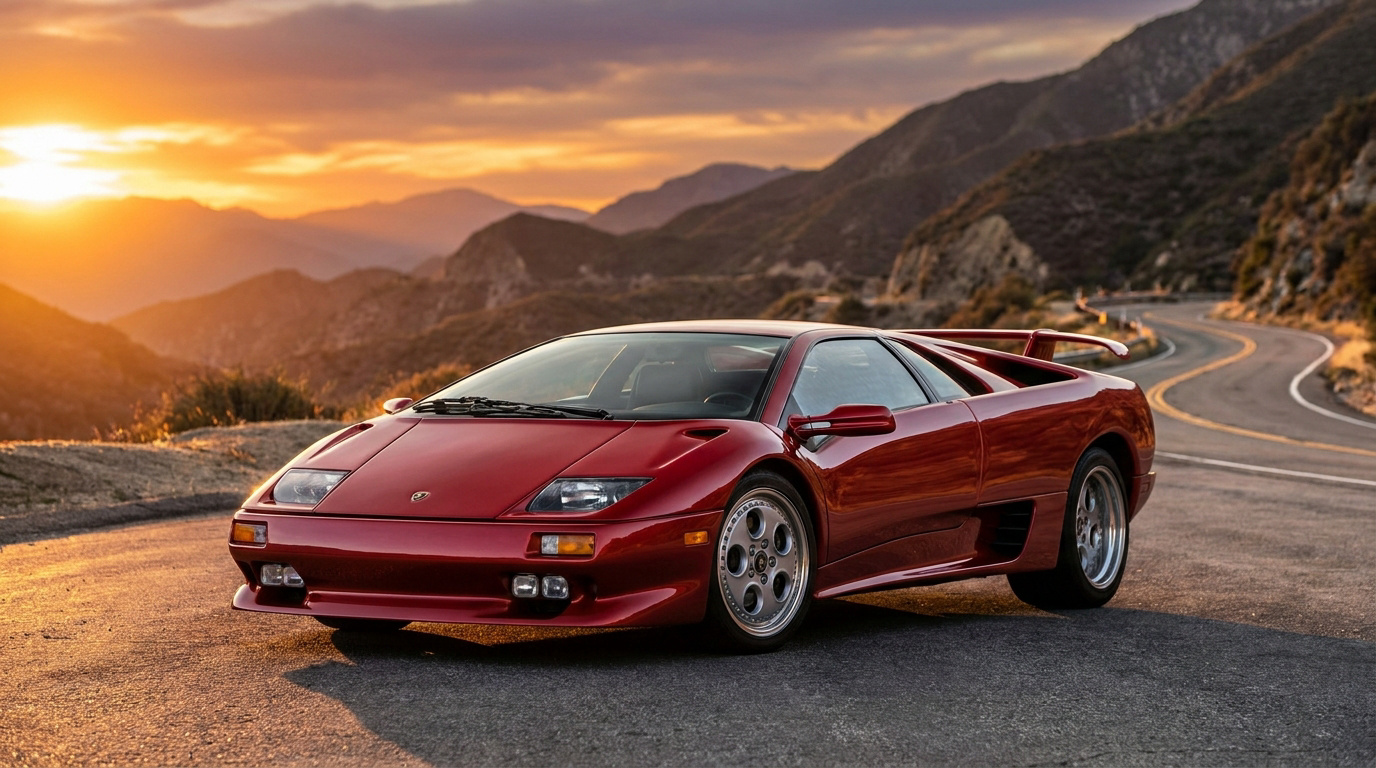
The Lamborghini Diablo achieved a significant engineering milestone by reaching a top speed of 337 km/h during official testing at the Nardò Ring. This performance allowed the Italian manufacturer to surpass the benchmarks set by its rivals and solidify its position at the pinnacle of the supercar hierarchy during the 1990s.
Owning such a mechanical masterpiece often involves navigating high maintenance costs and complex technical requirements. We will examine the heritage of this iconic V12 flagship and provide a detailed analysis of its technical evolution to help enthusiasts understand its enduring legacy.
- Lamborghini Diablo: Genesis of a Legend and the Quest to Replace the Countach
- Technical Architecture and the Pursuit of Aerodynamic Perfection
- Chrysler Ownership and the Marcello Gandini Design Evolution
- Launching the Bull: Performance Records and Cultural Impact
- Mechanical Evolution from Pure RWD to the VT All-Wheel Drive
- The Audi Era and the Final Refined Analog Flagship
- What defines the current market value and ownership costs?
Lamborghini Diablo: Genesis of a Legend and the Quest to Replace the Countach
The Lamborghini Diablo succeeded the Countach in 1990, achieving a 325 km/h top speed via its 492 hp V12. This Marcello Gandini-designed icon modernized Sant’Agata’s lineup, introducing ergonomic cabins and high-speed stability benchmarks.
The transition from the sixteen-year-old Countach to a modern flagship was necessary. Engineers faced immense pressure to maintain the brand’s relevance in a shifting market. This aging icon finally required a successor.
Ending the reign of the aging Countach
The pressure to replace the sixteen-year-old Countach was immense. Engineers needed a modern flagship to maintain brand relevance. The aging icon finally required a successor.
Performance benchmarks were set extremely high by Sant’Agata’s technical team. They demanded a 200 mph capability. This goal dictated every initial engineering choice. The car had to dominate the supercar hierarchy.
Designers focused on a user-friendly layout. Improved ergonomics finally allowed for a more natural, comfortable driving position inside.
Financial survival under the Mimran brothers
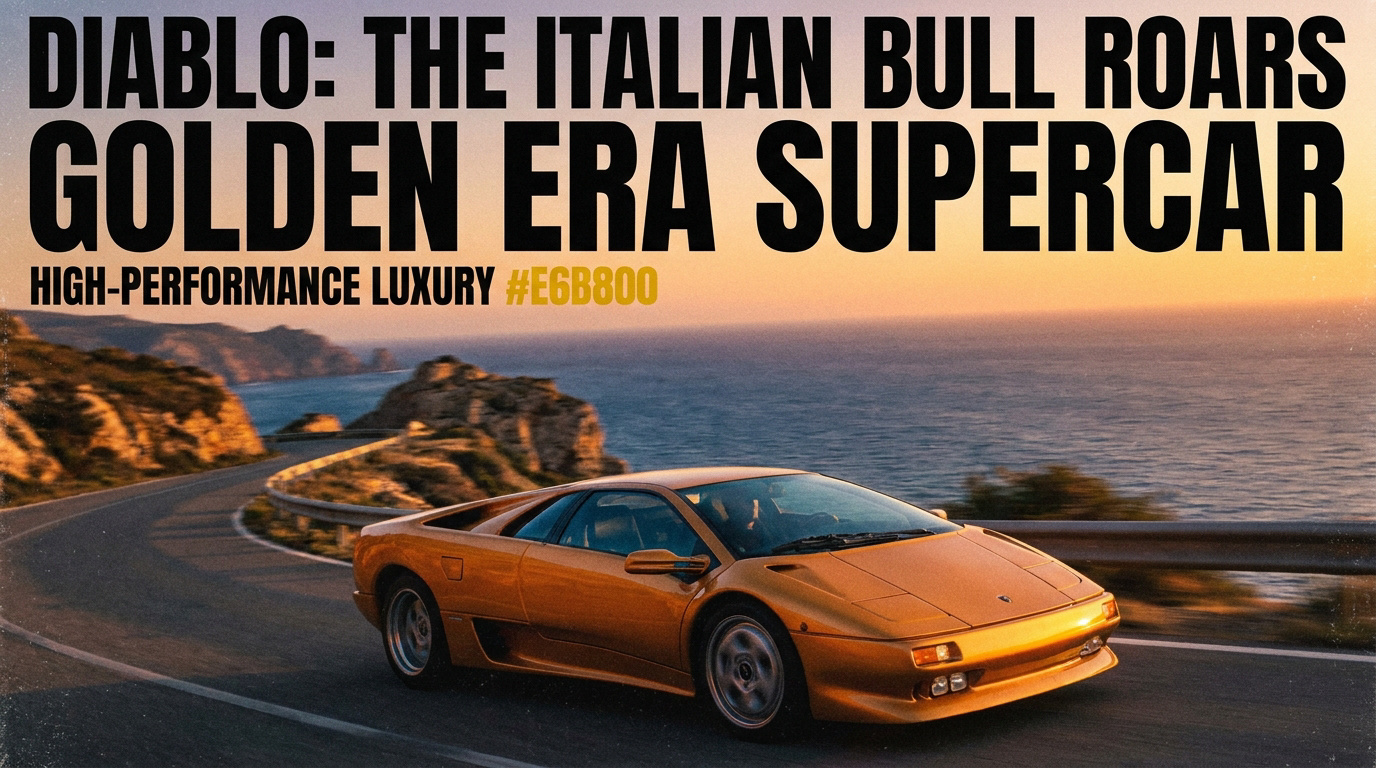
The Mimran brothers invested heavily in factory renovations. They recruited elite former Ferrari engineers to lead the project. This infusion of talent saved the struggling Italian brand.
Known as Project 132, the development faced strict early constraints. Budgetary limits forced creative engineering solutions. Every lira spent had to improve the car’s ultimate performance.
Specific requirements targeted improved visibility and cabin comfort. The narrow, cramped cabins of the past were discarded. Drivers needed a clearer view of the road ahead.
Engineering goals to surpass the Ferrari F40
The target top speed was 320 km/h to beat Maranello. This figure was non-negotiable for the marketing team. It placed the Diablo at the top of the food chain.
Testing focused on high-speed stability and engine reliability. Engineers spent months at the track refining the V12’s endurance. The car had to be fast and durable.
A fierce competitive atmosphere defined the late eighties. Sant’Agata and Maranello fought for every tenth of a second. This rivalry pushed automotive engineering to new heights.
Technical Architecture and the Pursuit of Aerodynamic Perfection
The Diablo’s raw power was matched only by its sophisticated wind-tunnel-tested shape, bridging the gap between mechanical brutality and fluid dynamics.
The transition from the legendary Countach to this new flagship required a complete structural rethink to maintain Lamborghini’s dominance in the supercar hierarchy.
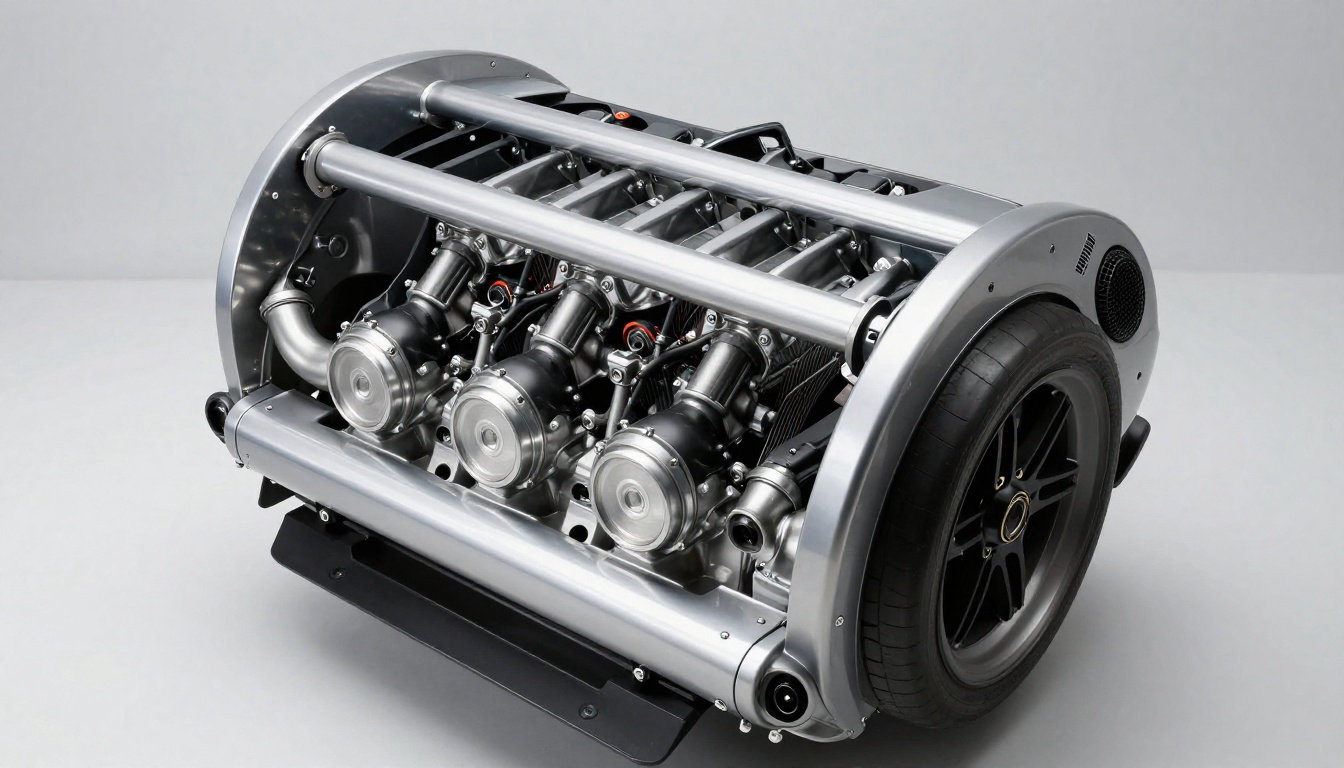
Powering the beast with the 5.7L V12 engine
The early blocks delivered 492 hp and 580 Nm of torque. This massive output provided relentless acceleration. It remains a masterpiece of Italian internal combustion.
The mechanical layout featured rear-mounted radiators. These were inspired by jet technology for optimal cooling. Airflow management was critical for the high-performance V12. This setup ensured the engine stayed cool under pressure.
Transitioning to multi-point electronic fuel injection improved efficiency. The V12 became more responsive across the rev range. It was a significant leap toward modern engine management.
Wind tunnel testing and the St Cyr air clinic
Aerodynamic testing took place at the St Cyr facility in Paris. Experts refined the car’s silhouette for months. They sought the perfect balance of drag and downforce.
Achieving a 0.31 drag coefficient was a major victory. This low figure significantly improved high-speed stability. The car felt planted even at its 200 mph limit. It was an aerodynamic triumph for the era.
The body shape maintained downforce without using massive wings. Clean lines provided the necessary grip. This subtle approach distinguished it from its more flamboyant predecessor.
Horacio Pagani and the integration of advanced composites
Horacio Pagani played a vital role in developing carbon fiber components. His expertise in composites was ahead of its time. He pushed for lighter, stronger materials.
- Body parts made from aluminum: doors and front fenders
- Composite materials: engine cover, bumpers, and spoilers
- Structural carbon fiber: central tunnel and chassis reinforcements
The carbon fiber central tunnel offered immense structural benefits. It increased torsional rigidity while reducing weight. This innovation directly improved the car’s handling precision.
Chrysler Ownership and the Marcello Gandini Design Evolution
While Italian passion fueled the engine, American capital and corporate scrutiny reshaped the Diablo’s skin and soul for a global market.
The 33 million dollar takeover and industrial stability
Chrysler’s acquisition provided the capital needed for final development. The 33 million dollar investment secured the brand’s future. It brought much-needed industrial stability to Sant’Agata.
The workforce increased to meet global homologation standards. American engineers provided critical technical support. This collaboration ensured the car met strict US safety regulations. It was a massive logistical undertaking.
Lee Iacocca took a personal interest in the project. He wanted the Diablo to be a global success. His leadership style influenced the car’s final refinement.
Detroit’s intervention in the radical Gandini silhouette
A creative conflict erupted between Gandini and Chrysler’s design center. The Italians wanted sharp angles. Detroit demanded a smoother, more aerodynamic look.
Production lines were softened compared to the original sketches. The radical edges were rounded off for better airflow. Gandini was famously unhappy with these changes. He felt his vision was being diluted.
Gandini later used his original design for the Cizeta-Moroder. This car showed the world his unedited vision. It remains a fascinating “what if” in design history.
Modernizing the cabin with improved ergonomics and luxury
New features included adjustable steering wheels and Alpine sound systems. These additions made the car more livable. Luxury was no longer an afterthought for Lamborghini.
Interior space surpassed the rival Ferrari Testarossa. Legroom was significantly improved for taller drivers. The cabin felt less claustrophobic than previous models. It was a genuine leap in grand touring comfort.
Hand-stitched leather and carbon accents adorned the surfaces. These premium materials created a high-end atmosphere. The interior finally matched the car’s exterior prestige.
Launching the Bull: Performance Records and Cultural Impact
The transition from the legendary Countach to its successor required a bold statement that only Sant’Agata could deliver. We see this shift manifest through a blend of raw power and 1990s flair.
The 1990 Monaco debut and immediate commercial success
The official debut happened at the Monte Carlo Rally. It was a glamorous introduction for the new flagship. The world’s elite watched with intense interest.
Initial customer reception was overwhelmingly positive. First deliveries began in early 1991 to eager buyers. The order books filled up almost instantly. It was the commercial hit the company desperately needed.
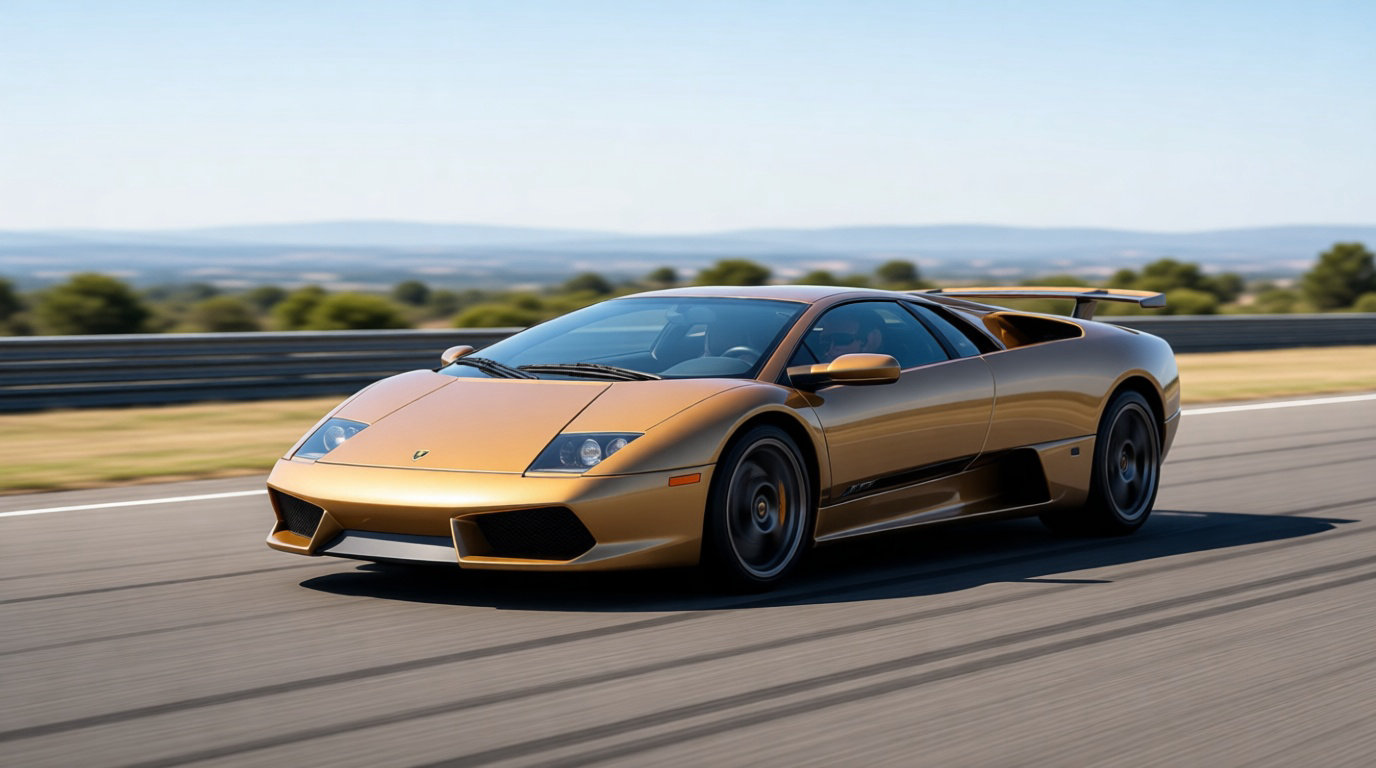
The car played a vital role in revitalizing the brand. Financial health improved as sales figures climbed. Lamborghini was back at the top of the market.
Smashing speed barriers at the Nardò Ring
Official testing at Nardò recorded a 337 km/h top speed. This achievement stunned the automotive world. It proved the Diablo was a true engineering marvel.
Beating the F40’s speed record was a marketing masterstroke. It gave the Diablo instant credibility among enthusiasts. Acceleration from 0-100 km/h was equally impressive. The car handled high speeds with surprising composure.
The Diablo was the first production Lamborghini to officially break the 200 mph barrier, cementing its place in the history of speed.
Defining the Golden Boy era and pop culture presence
The vehicle became a symbol of wealth in the early nineties. It was the car of choice for the era’s “Golden Boys.” Success was measured in V12 cylinders.
Video games like Need for Speed introduced the car to millions. It became a digital icon for a new generation. Every teenager had a Diablo poster on their wall. The car’s presence in cinema was equally dominant.
Its cultural impact remains strong even decades later. The Diablo represents the peak of analog supercar design. It is an unforgettable piece of 90s history.
Mechanical Evolution from Pure RWD to the VT All-Wheel Drive
From the tail-happy early models to the sure-footed VT and the track-ready SV, the Diablo’s mechanical journey was one of constant refinement and diversification.
Introducing the Viscous Traction system for stability
The 1993 VT system utilized a viscous coupling. It distributed torque between the front and rear axles. This engineering choice transformed the car’s handling.
Transferring 25 percent of power to the front improved drivability. It made the Diablo much safer in wet conditions. Daily use became a realistic possibility for owners. The car felt more stable and less intimidating.
Contrast the VT with the raw early RWD models. The original cars required expert skill to master. The VT offered a more forgiving driving experience.
Stripping back for speed with the SV and SE30
The SE30 celebrated the brand’s 30th anniversary with less weight. Power increased to provide a sharper edge. It was a tribute to Lamborghini’s racing heritage.
The SV was positioned as a pure rear-wheel-drive enthusiast model. It lacked the heavy VT system for better agility. Drivers loved its mechanical purity and raw feedback. It remains one of the most desirable variants today.
The Jota upgrade kit pushed performance to the extreme. It was essentially a road-legal race car. Few supercars could match its visceral intensity.
Comparing the raw early models to refined later versions
Early models had a heavy, mechanical feel. Every input required physical effort from the driver. It was a demanding but rewarding machine.
Later versions introduced power steering and ABS systems. These refinements made the car much more accessible. The driving experience became smoother and more assisted. It was a necessary evolution for the brand.
The 1991 model’s visceral nature contrasts with the VT’s GT capability. One is a wild beast, the other a refined traveler. Both have their unique appeal.
Track-focused dominance of the SV-R and GTR racing series
The SV-R was developed for the Lamborghini Supertrophy. It was the first factory-built race car. This move signaled a new era for Sant’Agata.
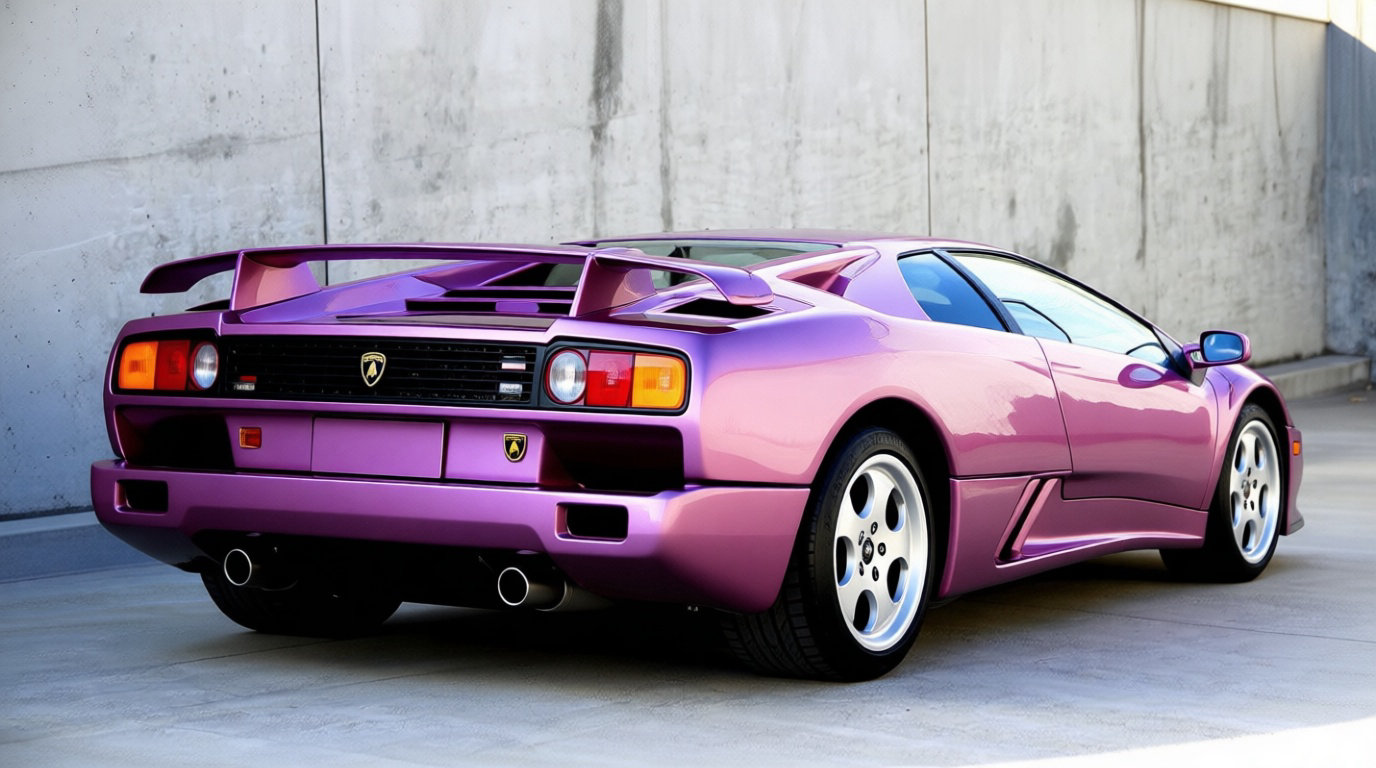
The GTR featured a massive 590 hp engine. Technical upgrades included a stripped interior and racing suspension. It dominated tracks with its sheer power and presence. Only thirty units were ever produced for competition.
These racing versions influenced the design of future GT models. They provided a testing ground for new technologies. Their legacy lives on in today’s Super Trofeo.
The Audi Era and the Final Refined Analog Flagship
The transition to Audi ownership marked a pivotal moment where the nature of the Lamborghini Diablo met a new standard of industrial rigor and technical refinement.
Transitioning to fixed lenses and Nissan 300ZX optics
Regulatory changes forced the removal of pop-up headlights. Safety and aerodynamics were the primary drivers. The iconic look had to be modernized for the future.
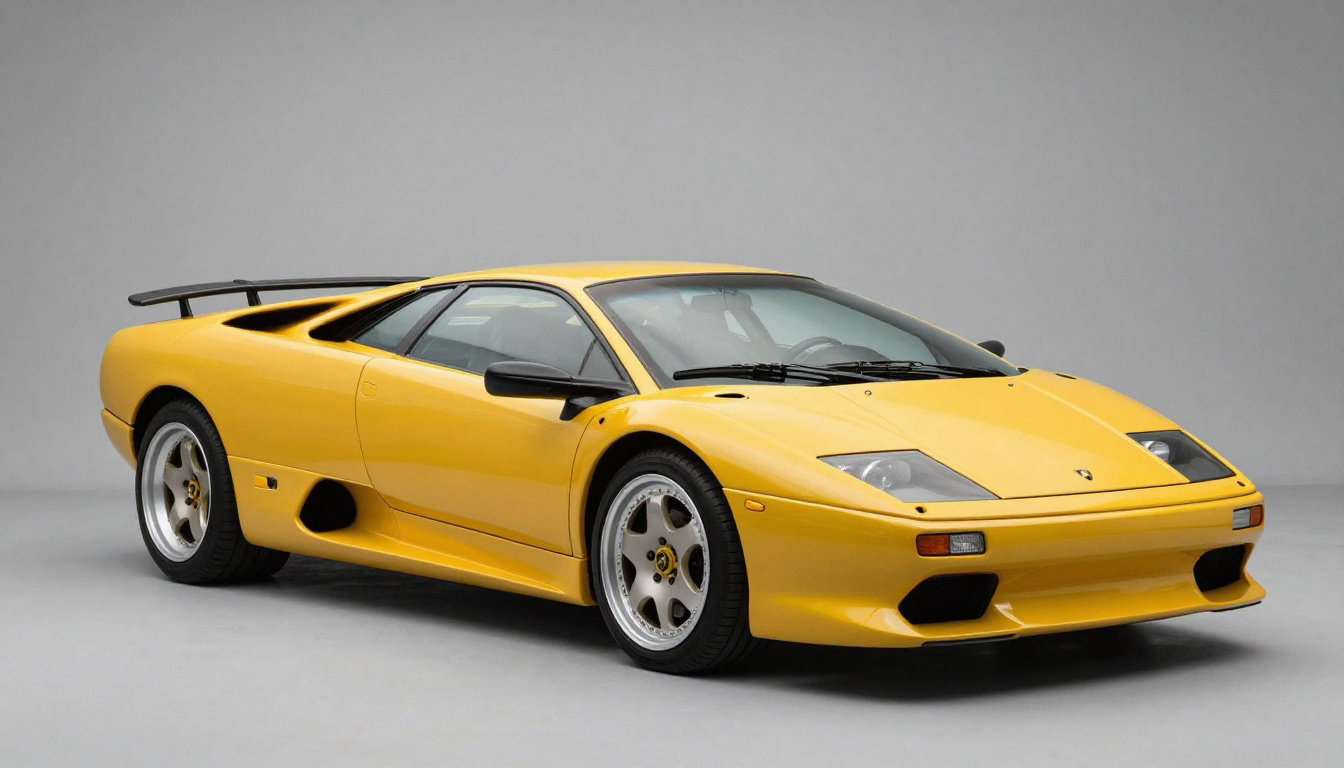
Lamborghini licensed fixed composite lenses from the Nissan 300ZX. This surprising collaboration solved a major design hurdle. The 1998 facelift looked instantly more contemporary. It was a clever use of existing high-quality components.
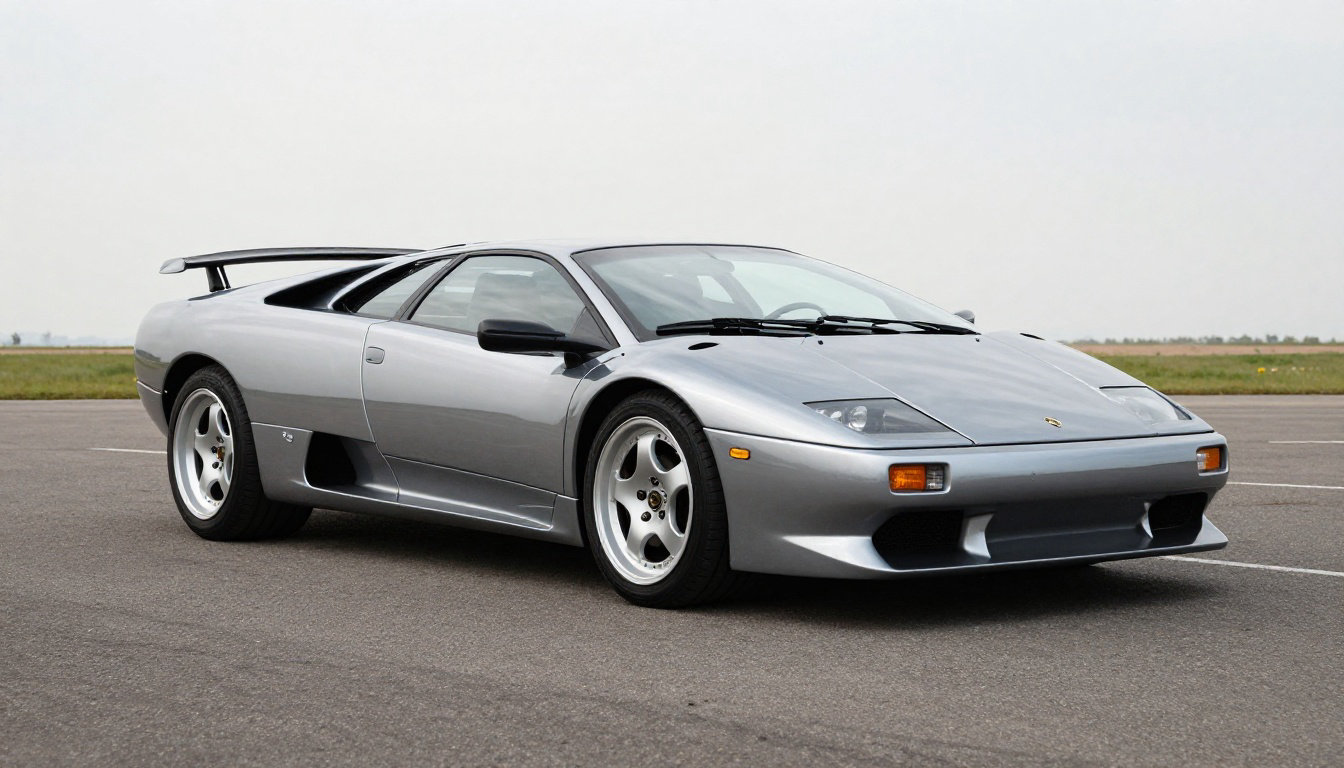
The fixed lights gave the car a more aggressive, modern stare. Some purists mourned the pop-ups. However, the new look was undeniably sleeker.
Engineering the 6.0-liter V12 and Luc Donckerwolke’s touch
Displacement increased to 6.0 liters for the final VT. This engine produced a staggering 550 hp. It was the ultimate evolution of the Bizzarrini V12.
Luc Donckerwolke introduced structural and cosmetic refinements. Audi management demanded higher build quality and tighter tolerances. Carbon fiber was used extensively for the bodywork. The car felt more solid and better engineered.
The final production run showcased the best of both worlds. Italian soul met German quality control. It was a fitting end for the legend.
Legacy and influence on the Murciélago design language
The Diablo’s proportions heavily influenced the Murciélago. Its wedge shape became a permanent brand signature. The successor carried the same DNA forward.
Analog controls slowly gave way to Audi-integrated electronics. This transition improved reliability but changed the car’s character. The 6.0 SE edition served as a final farewell. It remains a highly prized collector’s item.
The 6.0 VT represented the perfect bridge between the raw passion of the past and the sophisticated precision of the future.
What defines the current market value and ownership costs?
Transitioning from the raw power of the early nineties to the refined engineering of the Audi era, understanding the financial landscape of this V12 icon is essential for any serious collector.
Pricing trends for collectors and desirable model years
Base models currently range from $250,000 to $350,000. Rare GT or SE30 variants can exceed $1 million. Prices continue to climb as supply dwindles.
Collectors highly seek the 1990-1991 RWD models for their purity. The final 6.0-liter versions are also top priorities. These cars offer the best balance of performance and reliability. Investment potential remains very strong for well-maintained examples.
| Model Variant | Rarity | Estimated Price Range | Collector Appeal |
|---|---|---|---|
| Early RWD | 900 units | $250,000 – $350,000 | 4/5 |
| VT | ~400 units | $300,000 – $500,000 | 3.5/5 |
| SV | Limited | $400,000 – $600,000 | 4.5/5 |
| SE30 | 150 units | $1,000,000 – $1,600,000 | 5/5 |
| 6.0 VT | Final series | $700,000 – $850,000 | 5/5 |
Mechanical pain points and specific maintenance requirements
Common issues include fragile clutches and leaking gaskets. Early electronics can also be temperamental. Owners must be prepared for frequent, specialized attention.
Major engine-out services are incredibly expensive. They require specialized labor and rare parts. Documented service history is vital for maintaining resale value. Neglect can lead to catastrophic financial consequences for the owner.
- Clutch replacement every 15k miles
- Valve adjustments
- Cooling system flushes
- Hydraulic front-lift maintenance
Authenticity certification and preserving high-touch materials
Lamborghini Polo Storico provides essential authenticity certifications. They verify original parts and factory specifications. This service adds significant value to any vintage model.
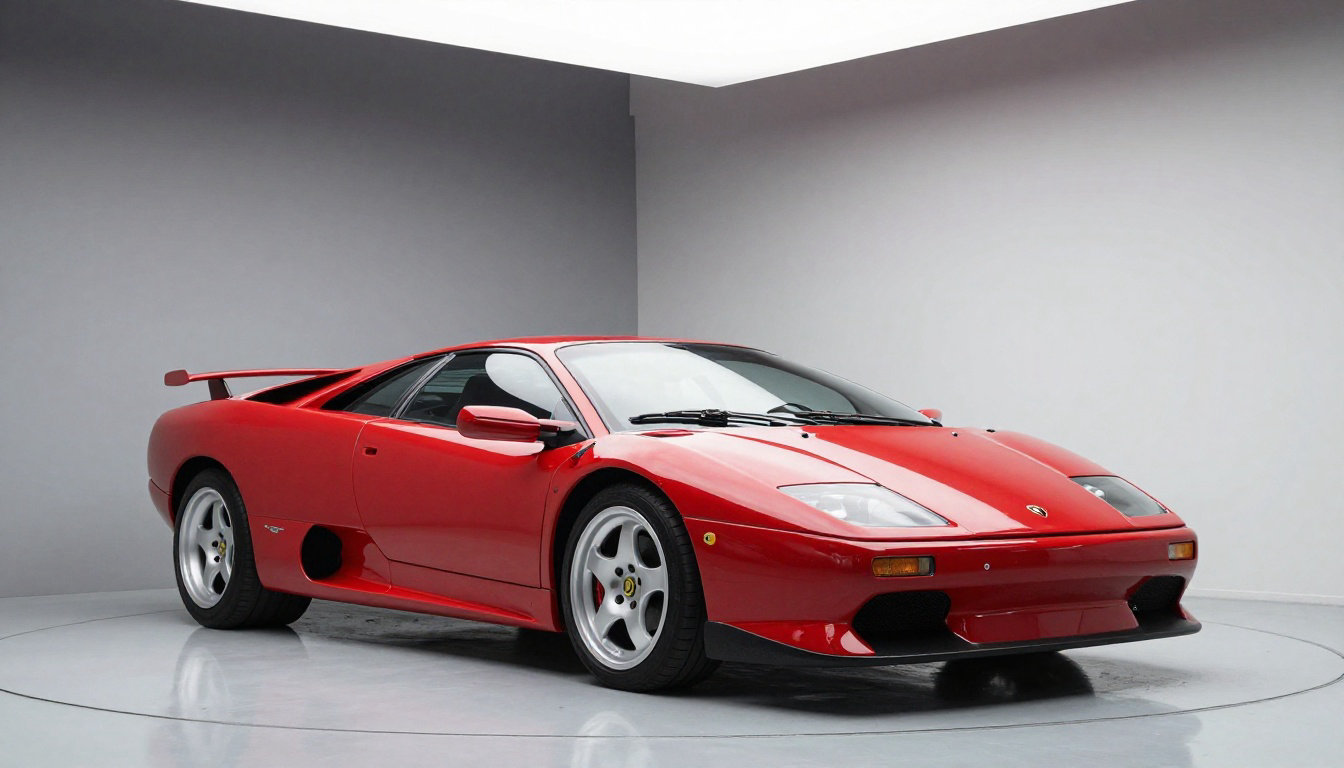
Preserving interior leathers requires specific, high-quality conditioners. Carbon surfaces must be protected from UV damage. High-touch materials wear quickly if not properly maintained. Owners should use genuine parts for all long-term preservation efforts.
Genuine parts availability is improving through official channels. Keeping the car original is the best way to ensure its legacy. A well-preserved Diablo is a true treasure.
The Lamborghini Diablo redefined automotive excellence by surpassing the 200 mph barrier with its legendary V12 engine and advanced aerodynamics. Investing in this analog masterpiece today secures a pivotal piece of history. Experience the raw power of Sant’Agata’s finest bull before these rare icons vanish from the market. The Diablo remains the ultimate symbol of speed.