
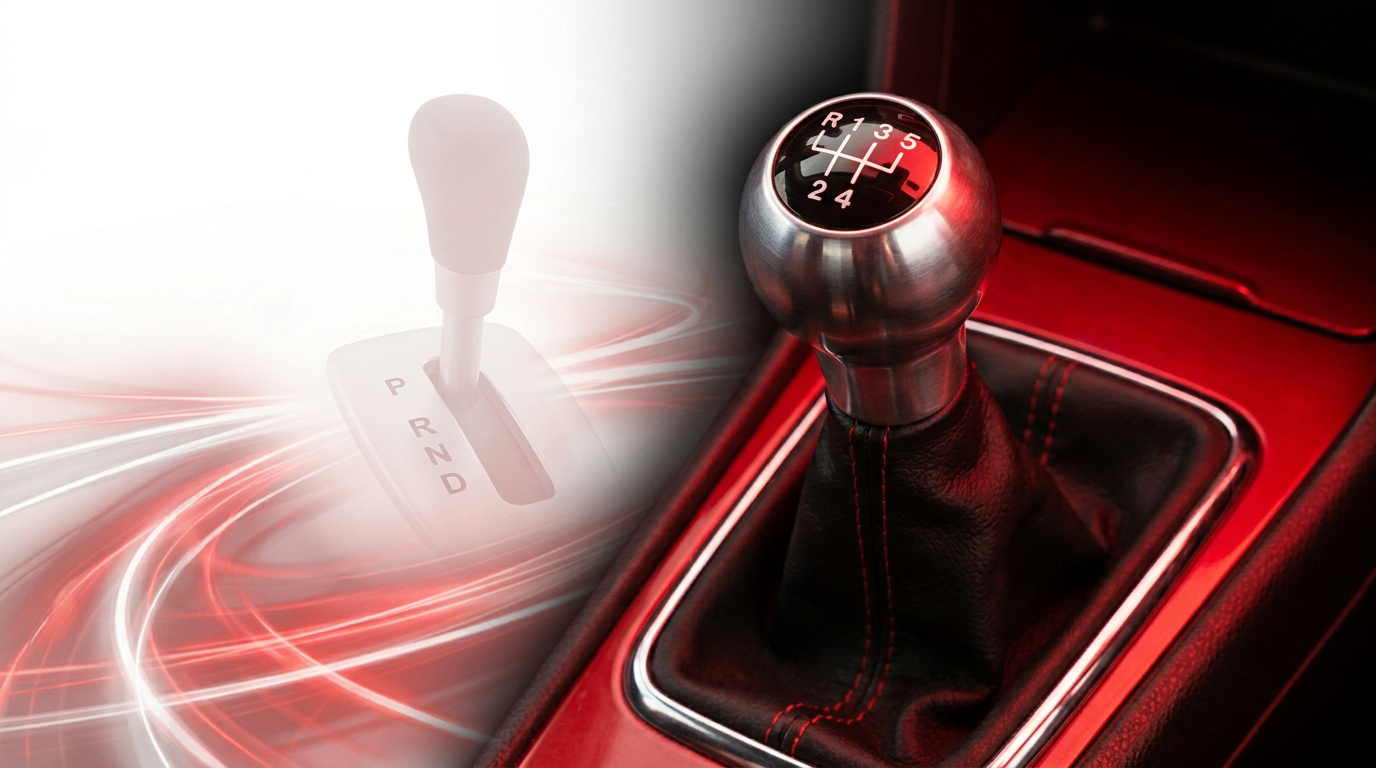
Key takeaway: The BMW E30 M3 was exclusively produced with a 5-speed manual gearbox to satisfy Group A racing homologation. While standard 3-Series models offered automatics, no factory automatic M3 exists. This purist engineering ensures maximum driver engagement and preserves the car’s legendary status, as an automatic would compromise both its track-ready performance and significant collector value.
The BMW M3 E30 was produced exclusively with a five-speed manual transmission to satisfy Group A racing homologation requirements. While many enthusiasts search for a BMW M3 E30 Automatic, factory records confirm that not a single unit ever left the assembly line with an automatic gearbox.
It is easy to mistake a standard 325i equipped with an automatic for this racing legend, but the mechanical reality is quite different. I will help you distinguish the authentic S14-powered icon from its more common siblings by examining its unique technical specifications.
- The Myth of the Factory E30 M3 Automatic
- 5 Technical Specs of the S14 and Getrag Gearbox
- Why Homologation Rules Forced a Manual Only Setup?
- Key Differences Between the M3 and Standard E30 Models
- 2 Realities of Automatic to Manual Gearbox Swaps
- Proper Maintenance for the Getrag 5-Speed Box
The Myth of the Factory E30 M3 Automatic
The BMW E30 M3 was exclusively produced with a 5-speed Getrag manual transmission to meet Group A racing homologation. No factory automatic versions exist, despite common confusion with standard 3-Series models like the 325i, reflecting the M Division’s uncompromising engineering philosophy.
The transition from a standard road car to a racing legend required a singular focus on mechanical purity and driver control.
Historical Context of 1980s M Division Engineering
In the mid-eighties, BMW’s M division followed a strictly purist philosophy. We see a total focus on driver engagement and lightweight construction. Every gram mattered for the track.
Every single component served a specific racing purpose. Luxury compromises like automatic gearboxes simply contradicted the M3’s core mission. This car was a brute technical tool for track-ready performance.
Early M cars were unapologetic. This rigid engineering mindset defined their production records.
Absence of Factory Automatic Gearbox Options
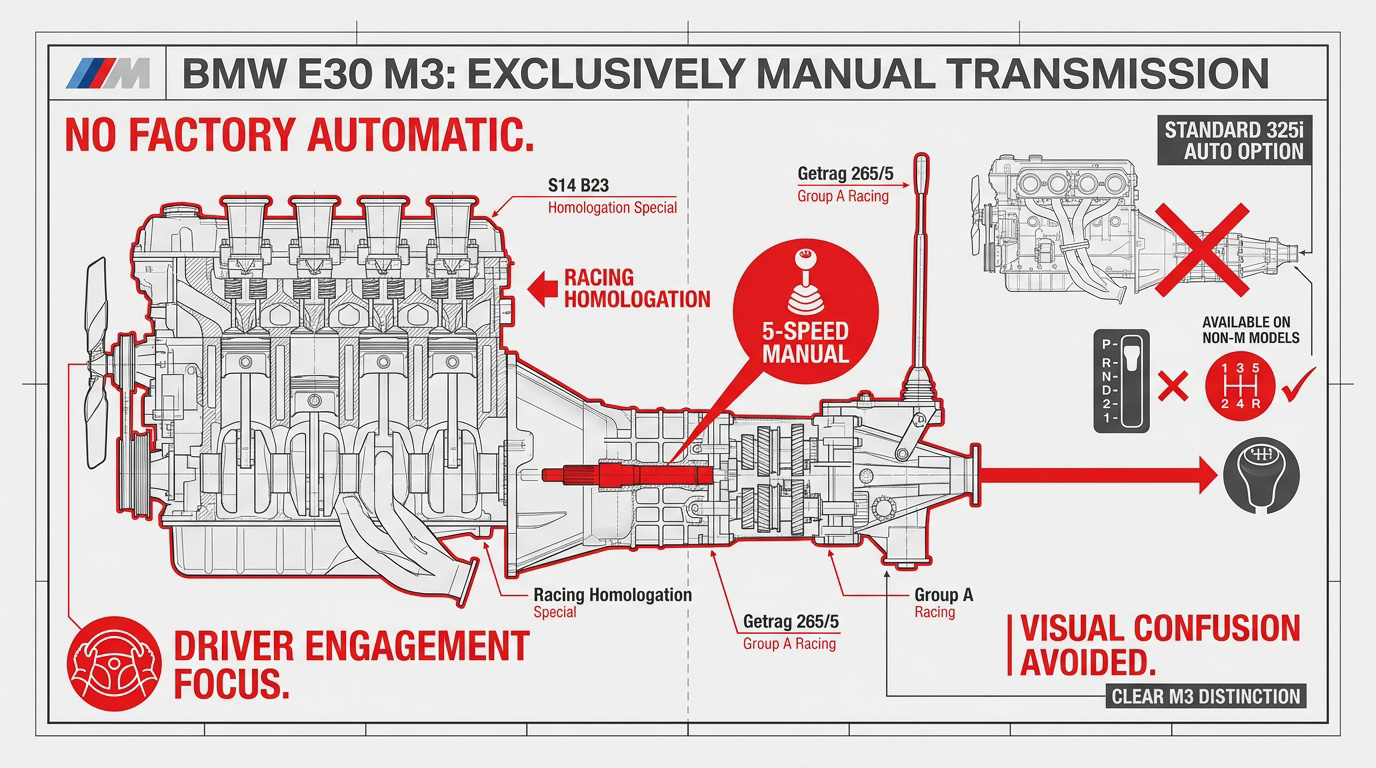
I can confirm that every single unit left the factory with a five-speed manual. Official production records show exactly zero automatic variants were ever produced. It is a manual-only club.
It is vital to understand that no official BMW documentation mentions an automatic option for this model. For collectors, this is a definitive, undeniable fact of the E30 M3’s history.
The total lack of automatic variants is consistent across all 17,970 units. You can find more insights on automotive legends at Ferrari Movie.
Reasons for Confusion with the Standard 325i
The standard E30 3-Series frequently offered automatic transmissions. Many 325i models featured the ZF 4HP22 gearbox. To the untrained eye, these cars often look remarkably similar at first glance.
Casual observers often mistake base models equipped with M-Tech kits for the authentic M3. This visual similarity is exactly what fuels the persistent automatic myth today.
Badge engineering is not true M engineering. Lookalikes simply aren’t M3s.
5 Technical Specs of the S14 and Getrag Gearbox
While the lack of an automatic is clear, the actual hardware under the hood is what makes this car a legend.
S14 Engine Displacement and Valve Specifications
The heart of this beast is the 2.3-liter four-cylinder S14 engine. It features a sophisticated sixteen-valve head. This specific design was directly derived from the legendary M1 supercar engine architecture.
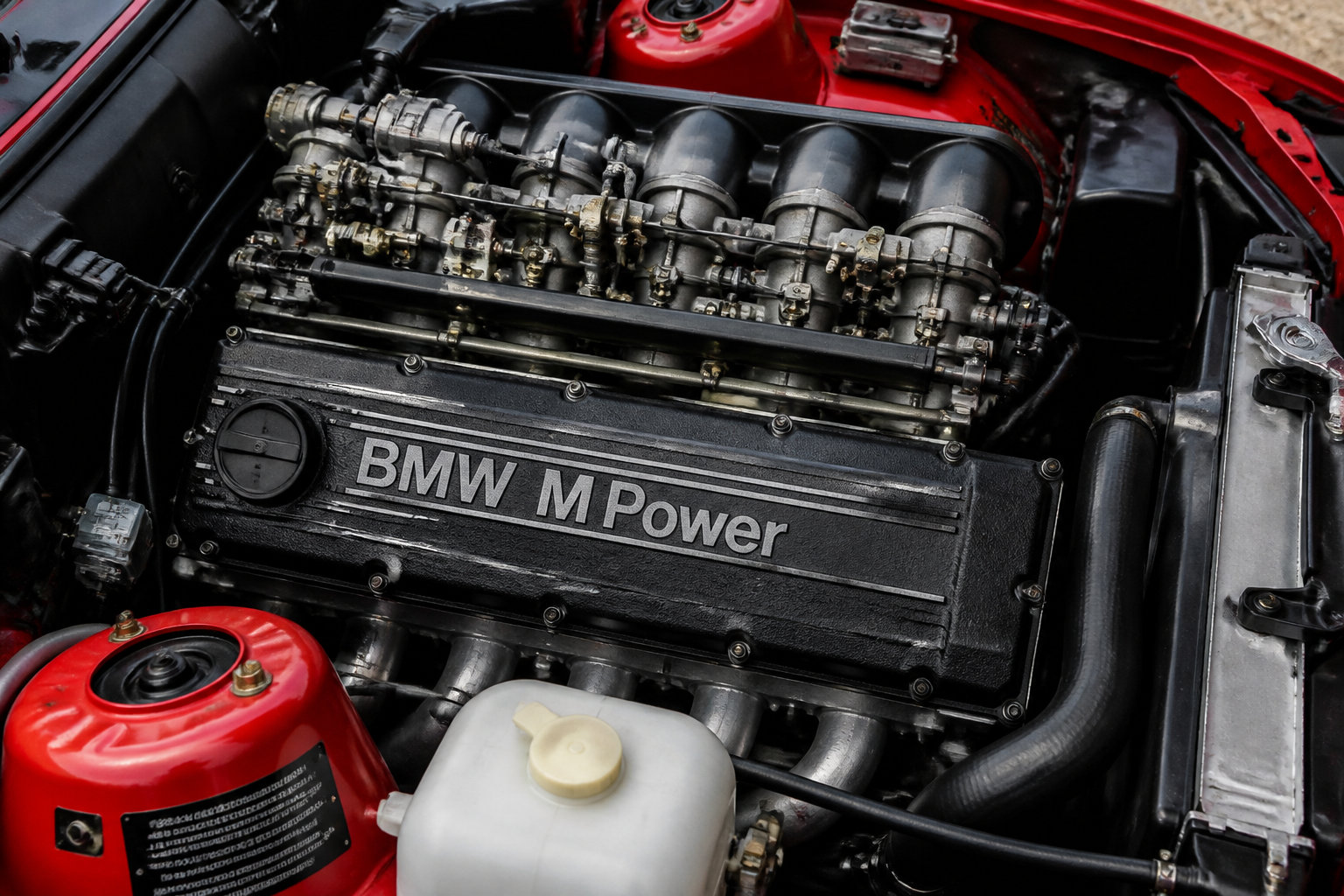
This high-strung unit delivers 192 horsepower at 6,750 RPM. It truly thrives when pushed toward the limit. Drivers must respect the 7,250 RPM redline to extract its full, raw potential.
The M3 feels like a specialized tool. It stands alongside icons like the Lamborghini Diablo in automotive history. Both represent peak engineering.
Getrag 265 Shift Patterns and Gear Ratios
European models often featured the dogleg pattern Getrag 265 unit. In this layout, first gear sits down and to the left. North American versions received a standard H-pattern. Both markets relied on the robust Getrag 265 gearbox.
Engineers chose close gear ratios specifically for track performance. This precise internal gearing ensures the S14 stays within its power band. It prevents the engine from dropping out of its high-revving sweet spot during shifts.
The mechanical feedback is incredible. Every gear engagement feels deliberate and heavy.
Performance Benchmarks and Top Speed Figures
Acceleration is brisk for a naturally aspirated four-cylinder. The stock M3 reaches sixty miles per hour in 6.7 seconds. This sprint remains impressive given the car’s 1980s racing origins and lightweight chassis.
On the autobahn, the 192 horsepower version shows its aerodynamic efficiency. It reaches a top speed of roughly 146 mph. The car remains remarkably stable at these high velocities despite its boxy silhouette.
| Spec | Value |
|---|---|
| Engine | S14 I4 |
| Horsepower | 192 hp |
| Torque | 170 lb-ft |
| 0-60 mph | 6.7s |
| Top Speed | 146 mph |
Why Homologation Rules Forced a Manual Only Setup?
These performance figures weren’t accidental; they were the result of strict racing regulations that dictated the car’s design.
Group A Touring Car Homologation Requirements
The FIA Group A rules in the eighties were uncompromising. BMW had to produce five thousand road-going units within twelve months. Crucially, the street version needed to mirror the mechanical layout of the racing machine to qualify for competition.
Since the race car utilized a manual gearbox, the road car followed suit. Homologation left no room for automatic transmissions. The engineers focused solely on meeting these rigid production standards for the track.
The “Win on Sunday, sell on Monday” mentality dominated. Manuals were the only choice.
Importance of Gear Control in Competitive Driving
Manual transmissions were mandatory for DTM racing success. Drivers required absolute authority over engine braking during aggressive cornering. Precise torque delivery was vital to maintain balance when pushing the S14 engine to its 6,750 rpm limit.
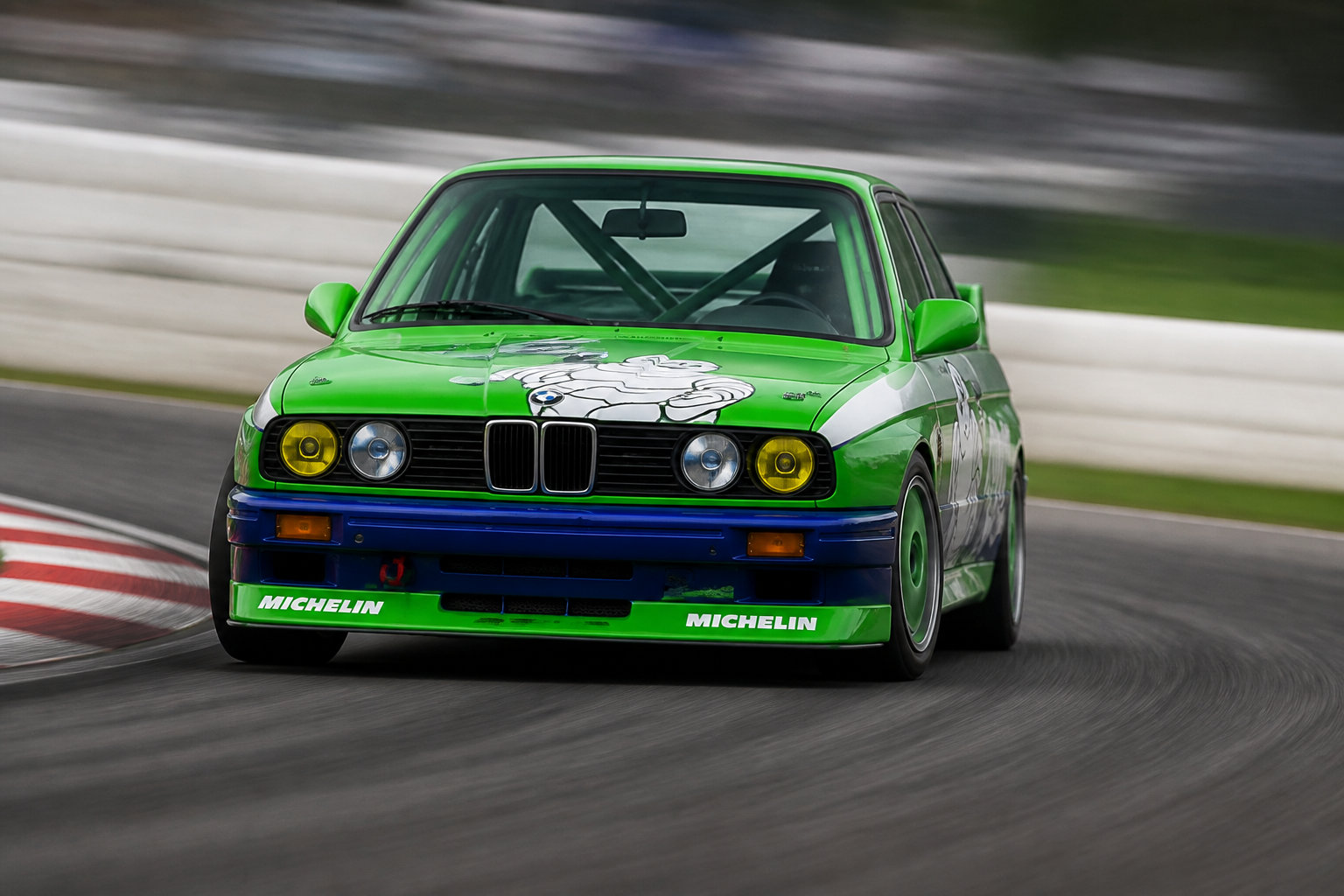
Professional circuit driving demands a direct mechanical link. An automatic unit from that era would have been far too sluggish. In high-stakes racing, every millisecond lost to a slow shift meant falling behind the competition.
The manual setup offered several technical advantages for the E30 M3:
- Better heat management
- Precise downshifting
- Weight distribution
- Direct power transfer
Weight Penalties of 1980s Automatic Units
Eighties automatic boxes were notorious for being heavy and inefficient. The torque converters of that period were power-sapping anchors. They added significant bulk, which would have strangled the 192 horsepower produced by the 2.3-liter four-cylinder engine.
A manual setup preserved the legendary agile handling of this 1,200 kg icon. We know that every kilogram saved improved lap times on the Nürburgring. This weight saving was vital for maintaining the car’s celebrated power-to-weight ratio.
A lighter drivetrain also sharpened the steering feel. By avoiding a heavy automatic, BMW ensured a more responsive front end for the driver.
Key Differences Between the M3 and Standard E30 Models
Beyond the gearbox, the M3 shared very few body panels with its automatic-equipped siblings.
Flared Fenders and Unique Aerodynamic Bodywork
The M3 featured a flatter rear window for better airflow. Engineers modified the C-pillar and trunk lid specifically for this model. These structural changes were unique to the M variant. They optimized aerodynamics for high-speed racing stability.
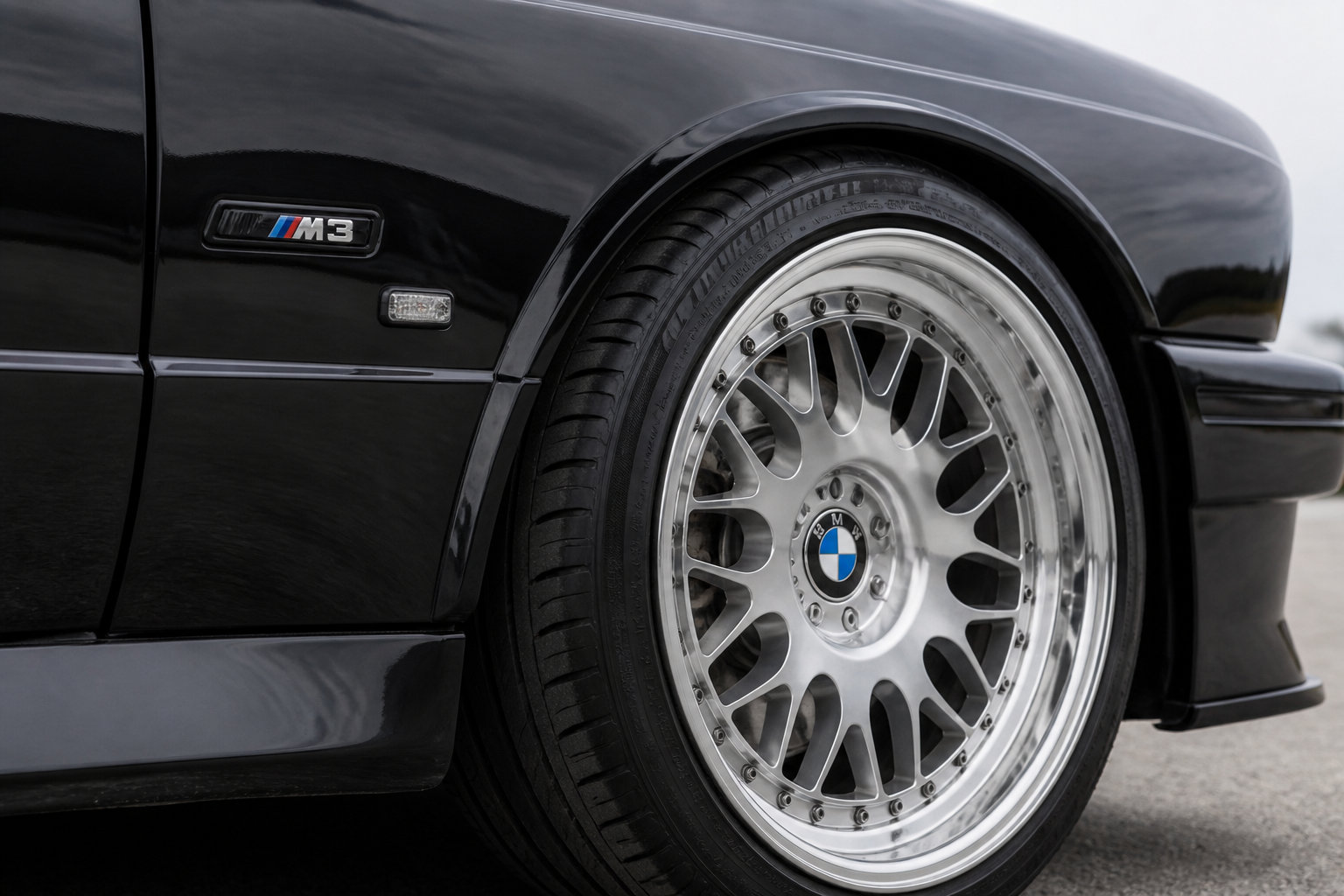
The wider wheel arches define the iconic M3 silhouette. These flares allowed for larger racing tires. They also accommodated a wider track for better grip.
Only the hood was shared. Everything else was bespoke.
Steering Rack and Braking System Upgrades
The M3 steering ratio is significantly quicker than the standard 3-Series rack. This setup offers much more direct feedback. Drivers enjoy a level of precision that standard models simply cannot match.
Large ventilated discs provide high-performance stopping power. Stopping power was essential for the high speeds reached by the S14. These brakes were a massive upgrade over the base E30 components.
These enhancements define the car’s capacities techniques. It remains a benchmark for handling and control today.
Contrasting the M3 with Standard E30 Automatics
Chassis stiffness sets the M3 apart from the 325i. BMW used a glued-in windshield to increase structural rigidity. This made the car far more rigid than its counterparts.
The M3 was built for the track. Standard E30 automatics focused on comfort. They were designed for smooth commuting and luxury rather than lap times.
The philosophy is clear. One is a cruiser, the other is a weapon.
2 Realities of Automatic to Manual Gearbox Swaps
While the M3 stays manual, many owners of standard E30s look to change their transmission setup.
Technical Feasibility of Transmission Conversions
Swapping gearboxes in standard E30 chassis is a very popular project. It is a common modification for 325i owners seeking more fun. This change transforms the car’s dynamic character.
Several parts are required for a successful manual conversion. You need a pedal box, a master cylinder, and the correct driveshaft. Finding a compatible Getrag 260 unit is also essential.
Properly executed swaps require maintenance discipline. You can find excellent maintenance tips to keep your drivetrain healthy. Reliability depends on using high-quality components and fluids.
Impact of Automatic Swaps on Vehicle Value
Adding an automatic to an M3 would destroy its market value. Collectors pay a premium for originality. A modified drivetrain is a major red flag in the classic market. It ruins the car’s racing pedigree.
BMW collectors show a fierce preference for original manual configurations. Authenticity is the most important factor for investment-grade BMWs. Any deviation from factory specs results in a massive price drop.
Keep it original. Swapping to an auto is financial suicide.
Drivetrain Challenges for the S14 Platform
Mating an automatic to the S14 engine is remarkably difficult. The high-revving nature of the four-cylinder doesn’t suit old torque converters. These “étalons techniques” were never designed to work together.
Electronics and flywheel hurdles make such a project a nightmare. Custom bellhousings would be required for a setup that shouldn’t exist. The S14 requires a specific flywheel that lacks automatic compatibility.
There is a total lack of support. No one makes a kit for this conversion.
Proper Maintenance for the Getrag 5-Speed Box
To keep the legendary manual transmission performing at its peak, regular maintenance is non-negotiable. I have always viewed these gearboxes as the mechanical heart of the driving experience.
Recommended Gear Oil and Lubrication Standards
Choosing the right fluid for the Getrag 265 unit is paramount. Most experts recommend high-quality synthetic 75W-90 gear oil. I find that Redline MTL also works wonders for shift quality.
Service intervals are vital for maintaining smooth shifting performance. Changing the oil every 30,000 miles prevents metal shavings from damaging the gears. Fresh lubrication is the cheapest insurance for your gearbox.
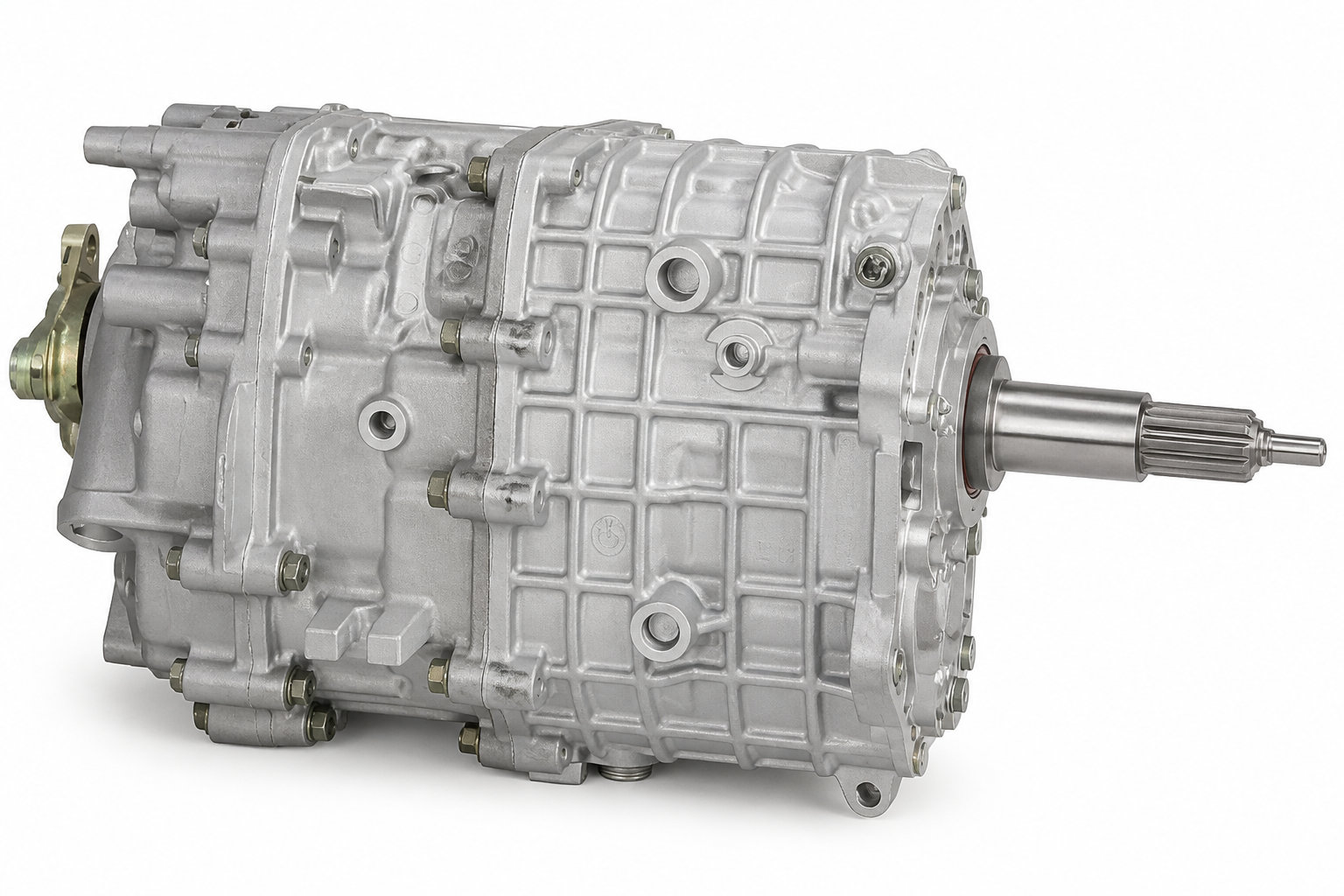
Check for leaks regularly. The output shaft seal is a common failure point. Ignoring a small drip can lead to a dry, ruined transmission.
Identifying Worn Synchronizers and Bushings
Aging manual transmissions often show their fatigue through specific mechanical protests. Grinding when shifting into second gear is a classic sign of worn synchronizers. It truly ruins the car’s rhythmic flow.
Refreshing the shifter linkage provides incredible precision. New bushings can transform a sloppy gear lever into a bolt-action rifle. It restores that tactile connection we enthusiasts crave in an E30 M3.
If you notice these symptoms, it is time to act before the damage spreads through the internal gears:
- Grinding noises
- Difficulty engaging first
- Sloppy lever feel
- Transmission whine
The BMW M3 E30 remains a manual-only legend, defined by its high-revving S14 engine and racing homologation roots. Owning this authentic icon ensures unmatched driver engagement and long-term investment value. Secure your piece of motorsport history today and experience the pure, uncompromising thrill of a true analog masterpiece.