

Key takeaway: Engineering a 1969 Mustang widebody requires a delicate balance between vintage aesthetics and modern performance. By integrating a full carbon fiber body, we achieve a massive 700-pound weight reduction, allowing the 830hp Jon Kaase engine to truly excel. This fusion of CAD-designed precision and structural reinforcement transforms an iconic classic into a contemporary track-ready masterpiece.
The 1969 Mustang widebody “Scorched” represents a pinnacle of modern restomod engineering, shedding over 700 pounds through a complete carbon fiber body conversion. We often see projects that sacrifice the iconic fastback silhouette for sheer width, creating a bulky aesthetic that loses its vintage soul.
Finding the perfect balance between aggressive track width and original styling remains a significant challenge for most builders. We will explore how CAD design and a Roadster Shop IFS SPEC chassis transform this classic into an 830-horsepower precision instrument, ensuring every modification serves both performance and heritage.
- 1969 Mustang Widebody Structural Engineering and Design
- 2 Engineering Keys for the Perfect Widebody Stance
- Power-to-Weight Optimization Through Carbon Fiber Integration
- Modernizing the Cockpit Without Losing the Vintage Soul
1969 Mustang Widebody Structural Engineering and Design
A 1969 widebody Mustang requires CAD-designed carbon fiber panels and chassis reinforcement to handle 800+ horsepower. This build balances a 4-inch track increase with original fastback lines, utilizing independent front suspension for modern handling.
The engineering starts with the visual silhouette, specifically how CAD ensures the widened fenders don’t ruin the 1969 fastback’s iconic flow.
Balancing Classic Aesthetics With Aggressive Track Width
Widening this icon without creating bulk remains a delicate art. We must respect the fastback’s original haunches while extending the track. The 1969 lines demand a surgical, flowing approach.
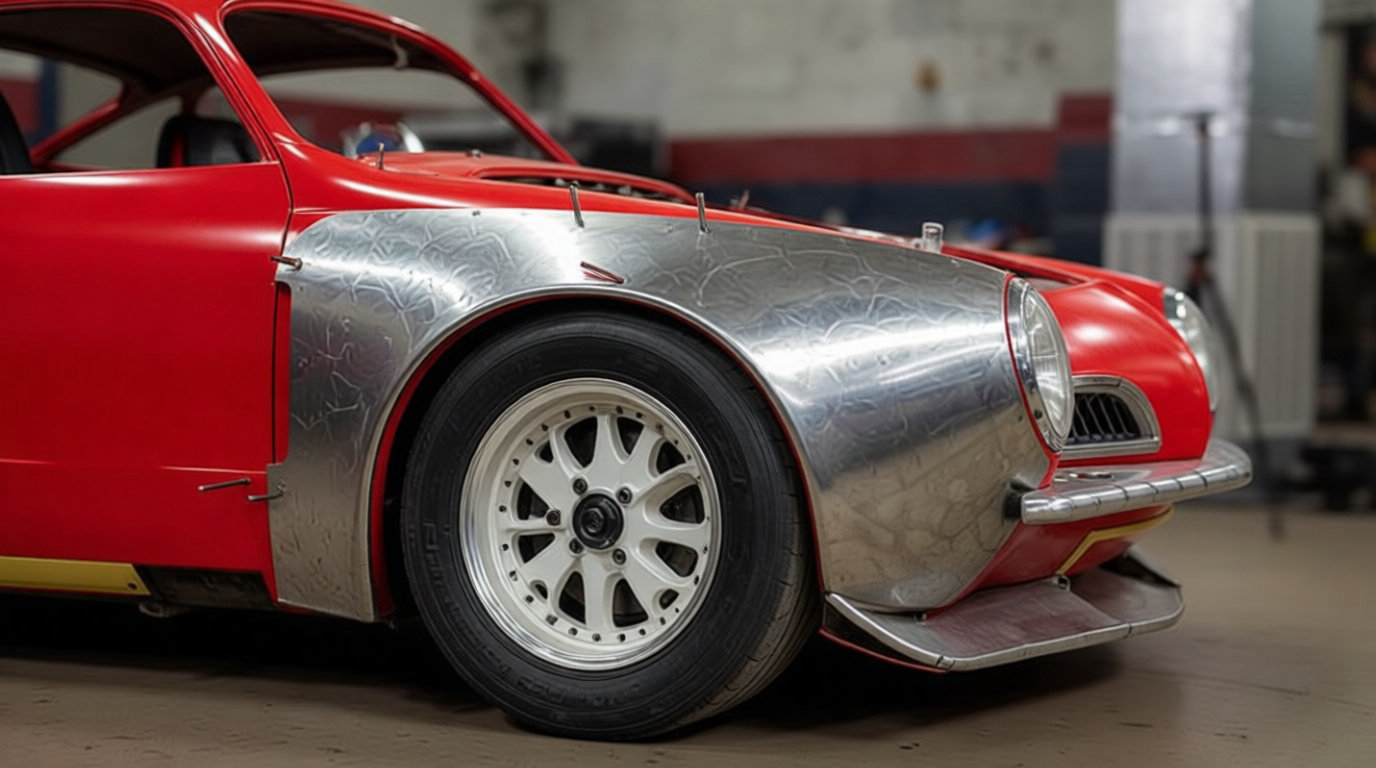
Precise CAD design eliminates asymmetrical flaws. Digital scanning ensures every carbon fiber panel aligns perfectly with the factory shell. This prevents the “wonky” look often found in manual builds.
The final silhouette emerges. It looks factory-made but significantly meaner.
Structural Modifications for Widened Wheel Arches
Installing a widebody kit requires cutting original steel. This is an intrusive but necessary procedure. Inner wheel tub surgery is mandatory to provide adequate clearance for wider tires.
Removing factory metal compromises the unibody’s rigidity. We perform extensive structural welding to ensure the frame never twists. This maintains the car’s integrity under heavy loads.
Metalwork defines the project’s longevity. Strength matters more than style.
2 Engineering Keys for the Perfect Widebody Stance
Getting the look right is one thing, but making a widened 1969 Mustang actually turn requires a complete rethink of the suspension geometry.
Independent Front Suspension and Modern Coilover Geometry
We rely on the Roadster Shop IFS SPEC chassis to redefine the front end. This system effectively replaces those cumbersome, dated shock towers. We utilize Fox adjustable shocks to fine-tune ride height and stiffness precisely. This setup creates a stable foundation for the stance.
Our focus then shifts toward the rear assembly. We implement a transition to a parallel four-bar suspension system. This specific configuration provides superior grip compared to traditional leaf springs.
The handling benefits are immediately apparent during spirited driving. The car remains perfectly planted during high-speed cornering on the track.
Managing Wheel Offset and Tire Clearance Requirements
We select Forgeline three-piece rims to fill the widened arches. Custom offsets are calculated with precision to avoid any rubbing against the internal frame. This ensures the 1969 Mustang widebody retains its aggressive profile without compromising functionality.
Traction is managed by Continental ExtremeContact Force tires. We chose a massive width to put 830hp to the ground effectively. This rubber provides the necessary bite for such a high-performance build.
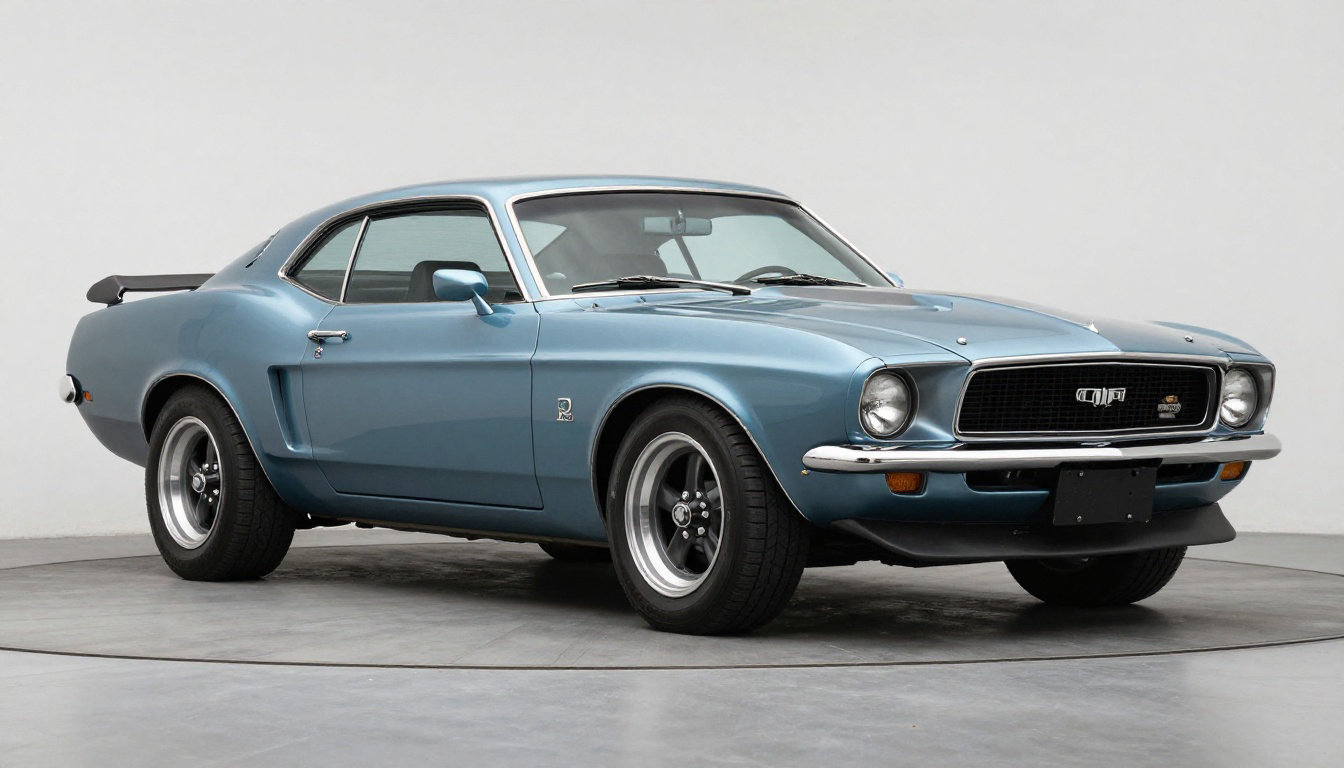
We also carefully adjust the steering rack. This ensures the front tires reach full lock without hitting the inner fenders.
To achieve the perfect fitment, we monitor several technical variables:
- Wheel diameter (18 inch)
- Tire width (315mm front / 335mm rear)
- Offset adjustment needs
- Scrub radius considerations
Power-to-Weight Optimization Through Carbon Fiber Integration
A wide stance allows for more grip, which is exactly what you need when you’re dropping a massive big-block under the hood.
Weight Reduction Through Full Carbon Fiber Conversions
Replacing heavy steel with Carbon Brothers composite panels sheds 700 pounds. This massive weight saving transforms the 1969 Mustang into a nimble athlete. It is a significant performance leap.
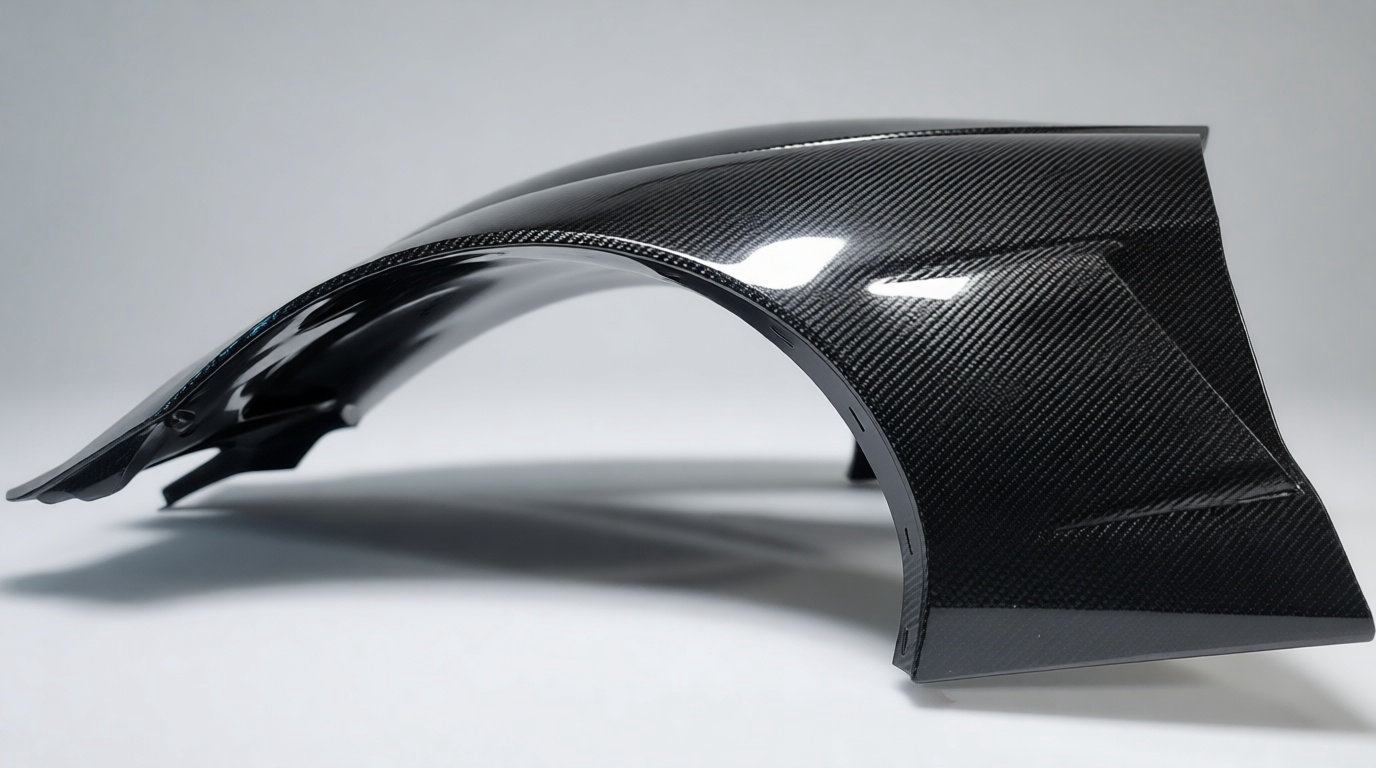
Carbon fiber offers superior structural rigidity compared to fiberglass. It won’t crack under intense mechanical stress. Your widebody lines remain sharp and perfectly consistent over years of spirited driving.
The investment is undeniably substantial. However, it completely redefines the power-to-weight dynamics of the classic frame.
High-Horsepower Drivetrain Pairings for the 1969 Platform
We recommend the Jon Kaase 520ci Boss engine for this build. It delivers a brutal 830hp and immense torque. Such power demands a widebody for adequate traction. Only the Tremec Magnum six-speed gearbox survives this abuse.
| Component | Specification | Benefit |
|---|---|---|
| Engine (520ci Boss) | 830hp / 520ci | Extreme acceleration capacity |
| Transmission (Tremec Magnum) | Six-speed manual | High torque load durability |
| Rear End (9-inch Ford) | Pro Iron upgrade | Reliable power distribution |
| Clutch (Dual-disc) | Heavy-duty friction | Smooth high-HP engagement |
Aerodynamic Impact on Classic Fastback Silhouettes
Airflow management changes significantly with wider flares. Poorly designed kits often create unwanted drag. Modern aerodynamics must guide the design to maintain high-speed efficiency.
Thermal management is equally vital here. A widened track provides space for larger radiators and heat extractors. This prevents the 830hp engine from melting during intense sessions.
Wide tracks ultimately improve stability. You will feel far more confident on high-speed straightaways.
Modernizing the Cockpit Without Losing the Vintage Soul
You can’t have a 200-mph exterior and a 1969 interior; the cabin needs to match the mechanical sophistication of the chassis.
Integrating Digital Gauges and Premium Audio Systems
We selected Auto Meter Ultra Lite Carbon gauges for this build. They fit perfectly into the original dash pods. You get precise digital data without a distracting modern screen.
The Flaming River steering column adds essential tilt adjustment. It improves ergonomics significantly. We paired this with a high-end Alpine/Kicker audio system hidden behind vintage panels.
- Bluetooth connectivity
- Carbon fiber gauge bezels
- Hidden subwoofers
- LED ambient lighting
Custom Seating and Ergonomic Upgrades for High-G Driving
We opted for TMI Products Chicane SS2 seats to handle the lateral forces. A widebody car pulling high G-forces requires serious support. The leather and suède finishes ensure the 1969 luxury feel remains intact.
The custom rear bench was crafted to match the front buckets perfectly. This creates a cohesive aesthetic throughout the cabin. Matching door panels tie the entire widebody theme together with seamless precision.

A proper cockpit allows you to exploit the widebody’s full potential safely. It transforms the driving experience into something truly professional.
By blending a 700-pound weight reduction with 830hp, this widebody 1969 mustang project redefines muscle car performance. You can now secure one of twenty limited editions featuring a carbon fiber shell and Roadster Shop precision. Elevate your driving legacy today by mastering the ultimate fusion of vintage soul and modern engineering.