
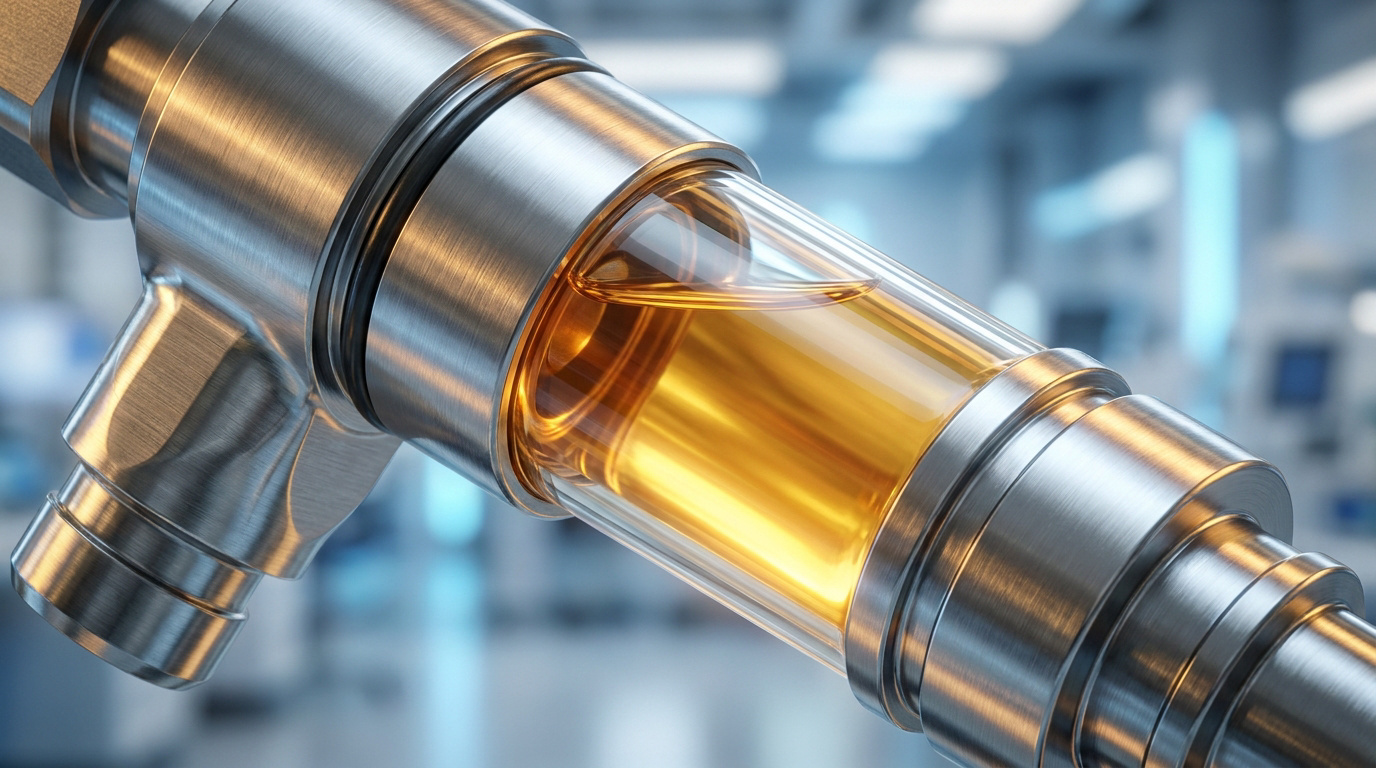
Key takeaway: We must look beyond brand names to technical specs like Top Tier detergent standards and HFRR lubricity scores. High-volume stations ensure fuel freshness, while renewable diesel offers a superior, drop-in alternative. By prioritizing high cetane and proper additives, we protect high-pressure injectors and prevent costly DPF soot accumulation for long-term engine health.
European standards mandate a minimum cetane index of 51, yet not all pumps deliver the same engine harmony. We often find ourselves choosing a station based on convenience, only to realize later that our injectors are struggling with subpar lubrication. It is easy to feel like every nozzle dispenses the same liquid, but the reality of internal deposits tells a different story.
Finding the best diesel fuel requires looking beyond the brand to understand how additives and refinery standards protect your high-pressure system. We will help you decipher the technical specs to ensure your engine runs cleaner and lasts longer.
- Why the Best Diesel Fuel is Not Just About the Brand
- Decoding the Numbers: Cetane, Lubricity, and Winter Grades
- Premium Blends and the Renewable Diesel Revolution
- Practical Habits to Keep Your Fuel System Clean
Why the Best Diesel Fuel is Not Just About the Brand
Top Tier diesel standards require specific detergent concentrations to eliminate 100% of internal injector deposits. High-volume stations ensure fuel freshness, while proprietary additives injected at terminals differentiate retail brands from raw refinery stock.
The Truth About Top Tier Certification
Top Tier diesel sets a higher bar for performance. These standards go far beyond basic legal requirements to shield modern engines. Interestingly, many major fuel brands still do not carry this specific, rigorous certification.
Detergent packages are the real heroes here. They stop sticky deposits from choking high-pressure injectors. By keeping things clean, you avoid power loss and dodge those massive long-term maintenance bills.
Quality fuel is essentially cheap insurance. Investing in better additives means fewer emergency visits for fuel system cleanings. It is a small price to pay for engine longevity.
Flashy brand names often mask these technical realities. While logos grab your attention, the local supply chain tells a far more complex story. Let’s look at what actually happens behind the scenes.
- Reduced fuel system corrosion
- Improved filter life
- Restored engine power
- Lower emissions
Regional Supply Chains and the Brand-Name Myth
Most diesel originates from the same regional refineries. Different stations often pump the exact same base fuel. The actual divergence only occurs at the final loading terminal.
We see the magic during “terminal injection.” This is where proprietary additives finally meet the truck. Only at this late stage does a brand become truly unique.
Fuel swapping happens more than you think. Stations buy from competitors when local supplies run low. That logo on the sign never fully guarantees the origin.
We should focus on technical specs instead of marketing. Beyond the brand, the specific chemistry of the fuel dictates how your engine actually performs.
Numbers don’t lie. Cetane and lubricity are the metrics that matter.
Decoding the Numbers: Cetane, Lubricity, and Winter Grades
Forget the marketing slogans for a second; the real health of your engine depends on the chemical properties found in the fine print.
Choosing Between Number 1 and Number 2 Diesel Grades
We often contrast the energy density of #2 diesel with #1 kerosene blends. Standard #2 diesel remains the king for power and efficiency. In contrast, #1 is thinner and contains less energy per gallon. It simply lacks the punch.
Paraffin wax precipitation is a genuine concern. In freezing weather, #2 diesel quickly turns into a thick gel. This sludge clogs filters and stops the engine completely. It is a total nightmare for drivers stuck on the shoulder.
Many stations offer winterized blends to help. They mix #1 and #2 to balance flow and power. You will lose some fuel economy during this period. Yet, you gain essential cold-weather reliability to keep moving forward.
Check the pump for winter labels during transition months. This small habit helps you spot exactly what you are buying. Knowing the specific blend helps you decide if extra additives are needed for your tank.
Thinner winter fuels often lack the oiliness needed for metal parts. This brings us to the vital role of lubricity in your system.
Why Lubricity is the Lifeblood of Modern Injectors
Ultra-Low Sulfur Diesel (ULSD) changed the game for everyone. The refining process that removes sulfur also destroys natural lubricity. Modern fuel is significantly “drier” than it used to be. This creates a friction problem.

Modern high-pressure common rail systems are incredibly sensitive. These injectors operate at staggering pressures every single second. They rely entirely on the fuel itself to lubricate moving metal components. There is no other protection.
Lubricity is directly connected to catastrophic pump failure. Without enough wear-reduction agents, the fuel pump can grind itself to pieces. This sends metal shards through the entire system. The repair bill is usually astronomical.
The industry uses the HFRR test to verify quality. This test measures how much scarring occurs on metal surfaces. Better fuel results in smaller scars and longer engine life. It is the gold standard for protection.
While traditional diesel has its limits, new renewable options are changing the chemistry of the pump. We are seeing a shift in how fuel protects our hardware. High-quality diesel remains the best insurance policy.
Premium Blends and the Renewable Diesel Revolution
We are moving past the era of simple petroleum, as high-performance renewable fuels start to outperform traditional blends at the pump.
Renewable Diesel vs Biodiesel: The Drop-in Difference
Renewable diesel differs fundamentally from biodiesel. While renewable diesel is chemically identical to petroleum, it serves as a true “drop-in” replacement. Biodiesel, however, is an oxygenated ester with distinct chemical properties.
Storage stability remains a major advantage. Renewable diesel does not attract water like biodiesel often does. It stays fresh longer in your tank and won’t grow algae easily.
Cold flow properties are equally impressive. Renewable diesel performs much better than biodiesel when temperatures drop. Its lower cloud point makes it significantly safer for rigorous winter use.
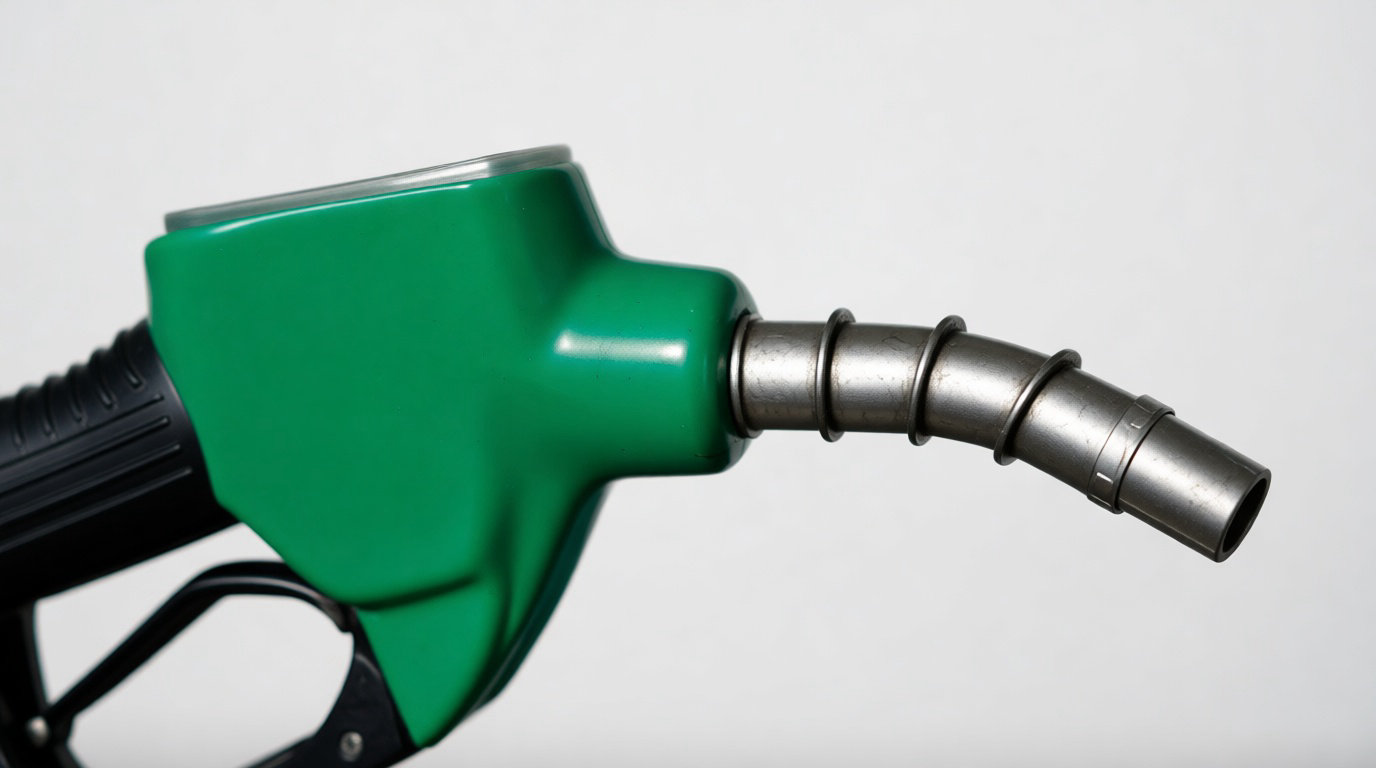
We must consider older engines too. High biodiesel blends can degrade rubber seals in vintage trucks. Renewable diesel avoids this headache entirely by perfectly mimicking standard fuel structures.
But even with great fuel, some situations require a little extra help from a bottle. Let’s look at additives.
Do You Really Need Those Aftermarket Additives?
Cetane boosters are worth evaluating. They improve ignition quality and dampen cold start noise. Most modern engines run noticeably smoother with a higher cetane rating than base fuel provides.
Think about the cost-to-benefit ratio. Using a lubricity improver at every fill-up is simply cheap insurance. It costs mere pennies compared to a five-thousand-dollar fuel injector replacement.
Emergency scenarios require quick thinking. Cold flow improvers are essential if you travel from warm valleys to freezing mountains. We shouldn’t wait for the fuel to gel.
Beware of “snake oil” promises. Avoid products claiming impossible fuel economy gains. Stick to reputable brands that focus strictly on cleaning and vital lubrication.
Maintenance is a holistic process. Even the best fuel and additives won’t help if you buy from a dirty, stagnant station. Quality starts at the source.
| Additive Type | Primary Benefit | When to Use | Necessity Level |
|---|---|---|---|
| Cetane Booster | Faster starts | Cold weather or low-grade fuel | Recommended |
| Lubricity Improver | Pump protection | Every fill-up with ULSD | High |
| Anti-Gel | Prevents gelling | Temperatures below freezing | Essential |
| Detergent | Cleans injectors | Regular maintenance intervals | Moderate |
Practical Habits to Keep Your Fuel System Clean
Buying the right fuel is only half the battle; how and where you fill up determines if that quality actually reaches your engine.
Finding High-Volume Stations for Maximum Freshness
High turnover is absolutely vital. Diesel degrades over time and absorbs moisture. Busy truck stops cycle their inventory every few days. This ensures you get the freshest fuel possible.
Identify busy stations easily. Look for places with constant truck traffic. Avoid small, lonely pumps in the middle of nowhere. Their tanks might be years old.
Watch out for microbial growth. Water in stagnant tanks allows “diesel bugs” to grow. These organisms create a slime that destroys filters and ruins high-pressure pumps.

Sediment accumulation is a real threat. Bottom-of-the-tank sludge is real. High-volume stations have better filtration systems to catch this before it enters your vehicle.
Think about your DPF. Clean fuel is the only way to keep your exhaust system from clogging up.
Protecting Your DPF from Water and Sediment
Fuel quality directly impacts soot levels. Poor fuel burns incompletely. This creates heavy soot that fills the Diesel Particulate Filter (DPF) much faster than normal.
Regeneration cycles become a burden. A dirty DPF forces the truck into “regen” more often. This wastes fuel and puts heat stress on the turbocharger and exhaust.
Water damage is often catastrophic. Water in the combustion chamber causes “steam explosions” that can crack injector tips. It also promotes rust in expensive fuel rails.
Trust your senses at the pump. If the fuel looks cloudy or smells like turpentine, stop pumping immediately. Trust your senses to avoid a disaster.
- Cloudy appearance
- Dark amber color
- Unusual chemical odor
- Presence of visible floating particles
Mind your home storage. If you store fuel at home, keep tanks full to minimize air space. This prevents condensation from forming inside the tank.
Prioritizing Top Tier standards and high-volume turnover is the ultimate strategy for engine longevity. By choosing the best diesel fuel enriched with detergents and maintaining high lubricity, we protect our injectors and ensure peak performance. Secure your vehicle’s future today at a busy pump for a cleaner, more powerful drive tomorrow.