
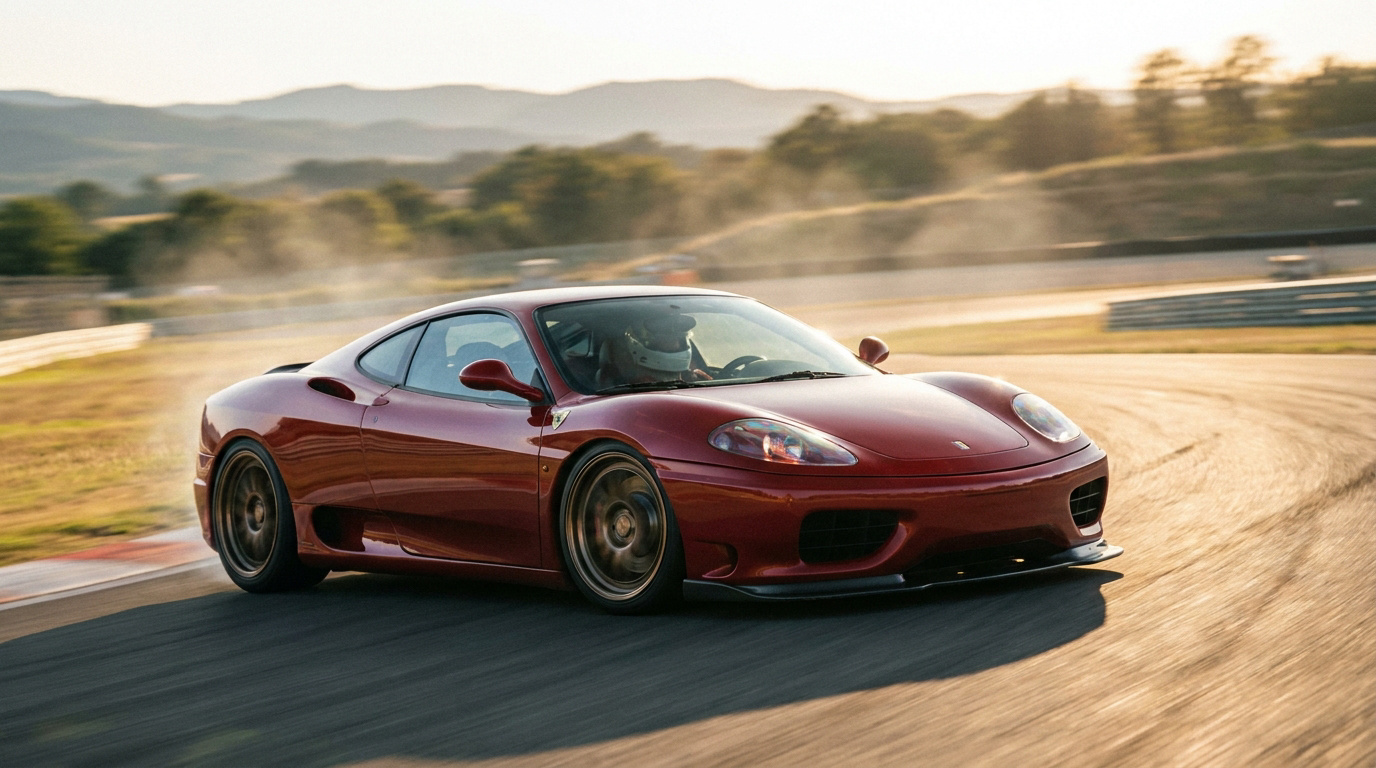
Key takeaway: Transforming the Ferrari 360 Modena into a precision instrument requires a strategic synergy of weight reduction and chassis balancing. By shedding 100kg through Challenge Stradale components and refining the suspension with corner weighting, we restore the car’s mechanical soul. This meticulous approach ensures that every aerodynamic and engine modification translates into pure, predictable high-performance agility.
The standard Ferrari 360 Modena weighs approximately 1,575 kg, yet we can bridge the gap to the legendary Challenge Stradale by shedding nearly 100 kg through strategic refinements. While the factory setup is undeniably sublime, many owners find that the stock exhaust restrictions and conservative suspension geometry mask the vehicle’s true visceral potential. We often struggle to balance pure performance with road legality, leaving us searching for the perfect mechanical harmony.
This guide explores how a carefully curated Ferrari 360 modified project can sharpen throttle response and chassis dynamics. We will examine the technical path to optimizing your V8 masterpiece through weight reduction, electronic tuning, and aerodynamic balance.
- The Core Philosophy of a Ferrari 360 Modified
- Exhaust System Upgrades for Sound and Flow
- Intake Enhancements and Carbon Fiber Air Boxes
- Electronic Tuning for ECU and TCU Refinement
- How to Refine Suspension Geometry and Bushings?
- Weight Reduction and Chassis Corner Weighting
- Aerodynamic Improvements for High-Speed Stability
- Risks and Maintenance of High-Performance Modifications
The Core Philosophy of a Ferrari 360 Modified
The Ferrari 360 Modena gains significant agility through a 100kg weight reduction and exhaust flow optimization. Performance peaks by combining Challenge Stradale intake components with precise corner weighting to preserve the chassis’s mid-engine balance.
Before exploring mechanical upgrades, we must recognize that the bond between you and your Ferrari 360 Modified relies on purity. Shedding mass enhances every dynamic trait without taxing the engine. This “less is more” philosophy defines any serious build.
Weight reduction is the most effective starting point for the 360. We often target heavy stock seats and the battery. Reducing unsprung mass immediately sharpens the steering response for the driver.
A lighter car transforms the psychological experience on the track. The vehicle feels more tossable and less intimidating near its limits. It creates a purer, more visceral driving experience for us.
Stripping the interior represents a commitment to racing DNA. You must accept the trade-off between daily comfort and raw performance spirit.
Removing weight is only the first half of the equation. We must now manage how the remaining weight sits. This transition leads us toward the technical side of chassis management.
Balancing Chassis Dynamics Before Adding Horsepower
Corner weighting ensures your 360 Modena maintains a perfectly balanced cross-weight. This precision fosters neutral handling during intense driving. It prevents the car from pulling unevenly during hard braking or high-speed cornering maneuvers.
Modifications can inadvertently ruin the factory-set balance. Changing the exhaust or moving the battery alters the center of gravity. Re-balancing is mandatory to keep your Ferrari predictable and safe.
We use scales to measure the load on each individual wheel. Adjusting the spring perches allows for micro-adjustments in weight distribution. This meticulousness separates the expert builds from the amateurs.
The rake angle significantly influences the front end’s behavior. A slightly nose-down attitude improves turn-in bite. It makes the steering feel remarkably more alive.
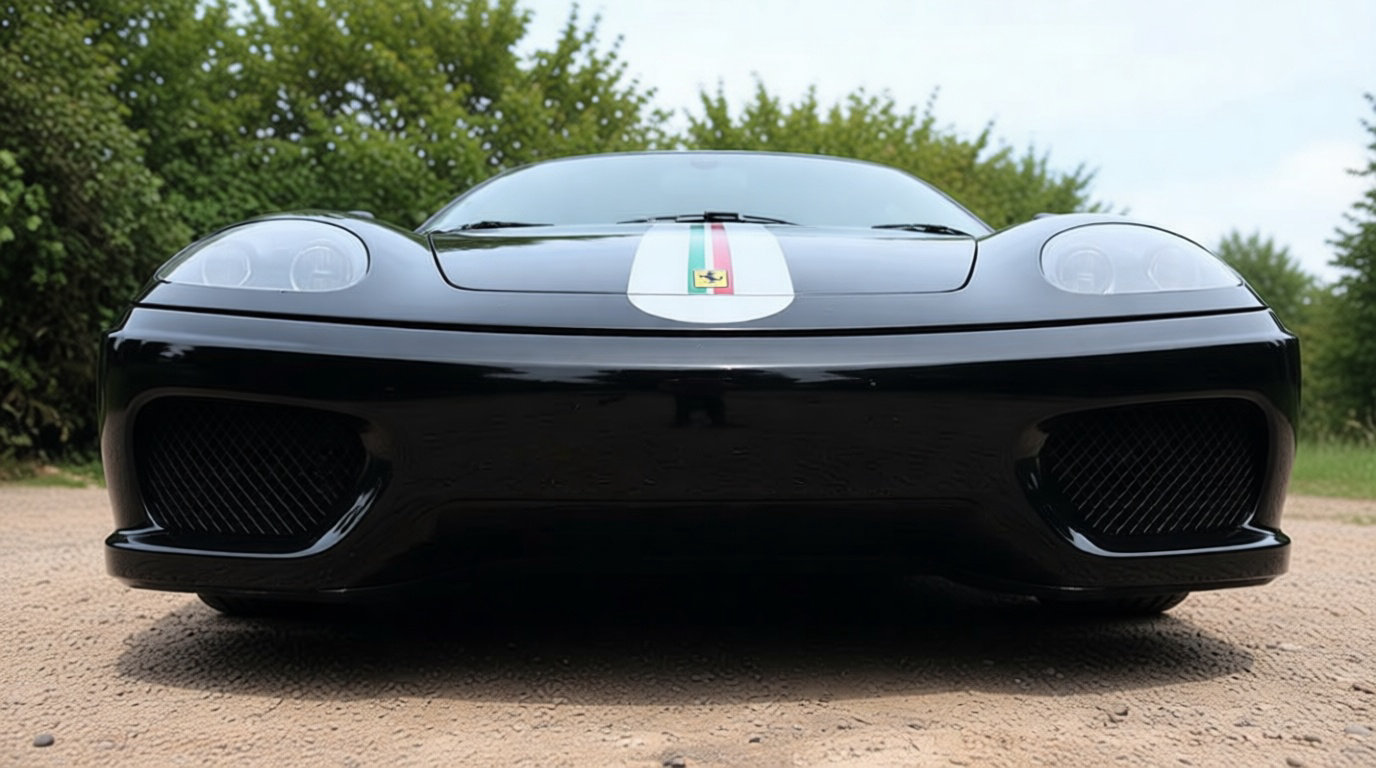
True performance relies on the synergy between physics and mechanics. Power is useless if your tires cannot find consistent grip. Efficient engine breathing becomes our next logical step.
Exhaust System Upgrades for Sound and Flow
While the chassis provides the foundation, the exhaust system is where the 360 finds its legendary voice and recovers lost power.
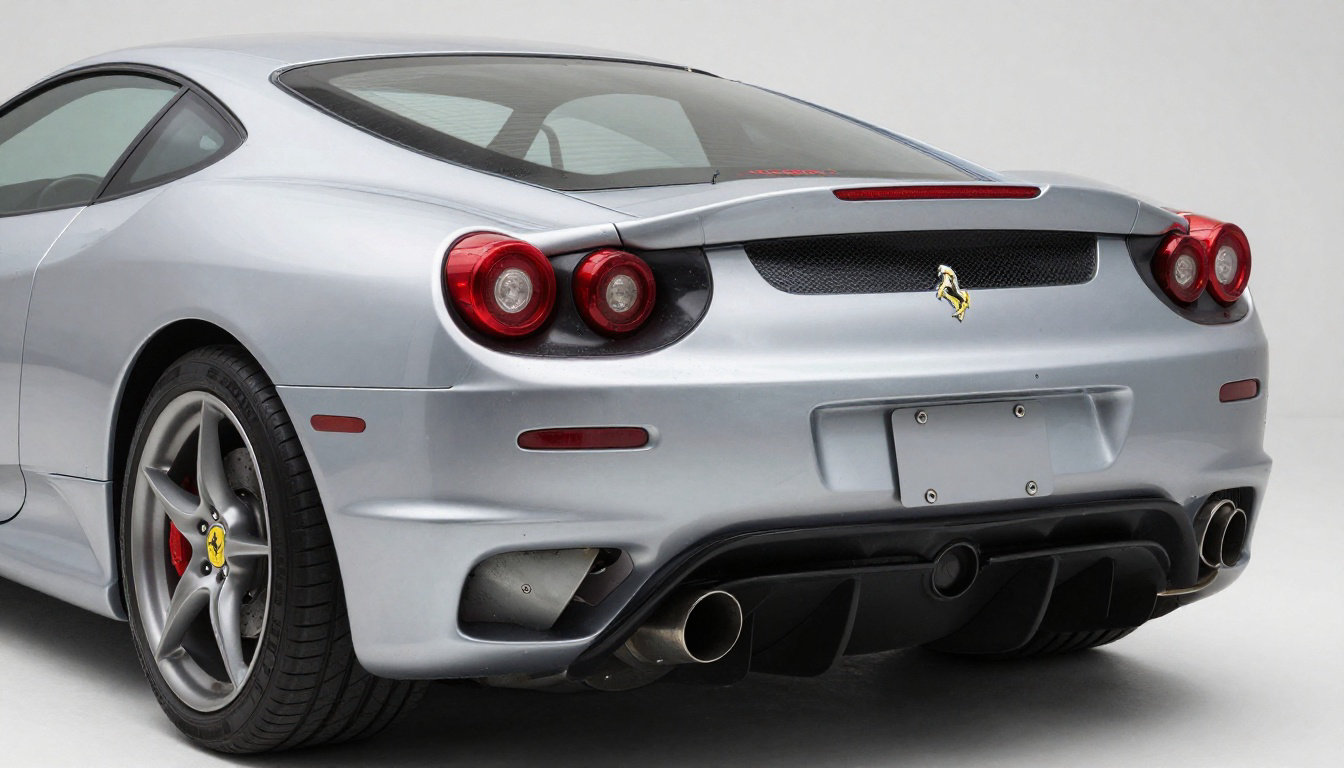
Factory catalytic converters often restrict the engine’s natural breathing. High-flow 200-cell cats offer a middle ground between performance and legality. They allow the V8 to breathe while maintaining enough backpressure for low-end torque. This is a vital mechanical upgrade.
We must compare valved versus non-valved mufflers. Valved systems allow for a quiet cruise but a screaming high-RPM scream. Non-valved systems are lighter but can cause significant cabin drone during long highway trips.
Titanium systems offer impressive weight savings over stainless steel. A titanium X-pipe can shed over 10kg from the very rear of the car. This helps reduce the polar moment of inertia effectively.
- heat management and flow
- Sport cats for emissions-friendly gains
- Test pipes for maximum track performance
- X-pipe design for that high-pitched F1 scream
Improved flow directly impacts the engine’s thermal health. Cooler exhaust gases mean a happier, more reliable Ferrari engine for you.
Intake Enhancements and Carbon Fiber Air Boxes
Improving the exit is only half the battle; the engine also needs a more efficient way to pull air into the combustion chambers.
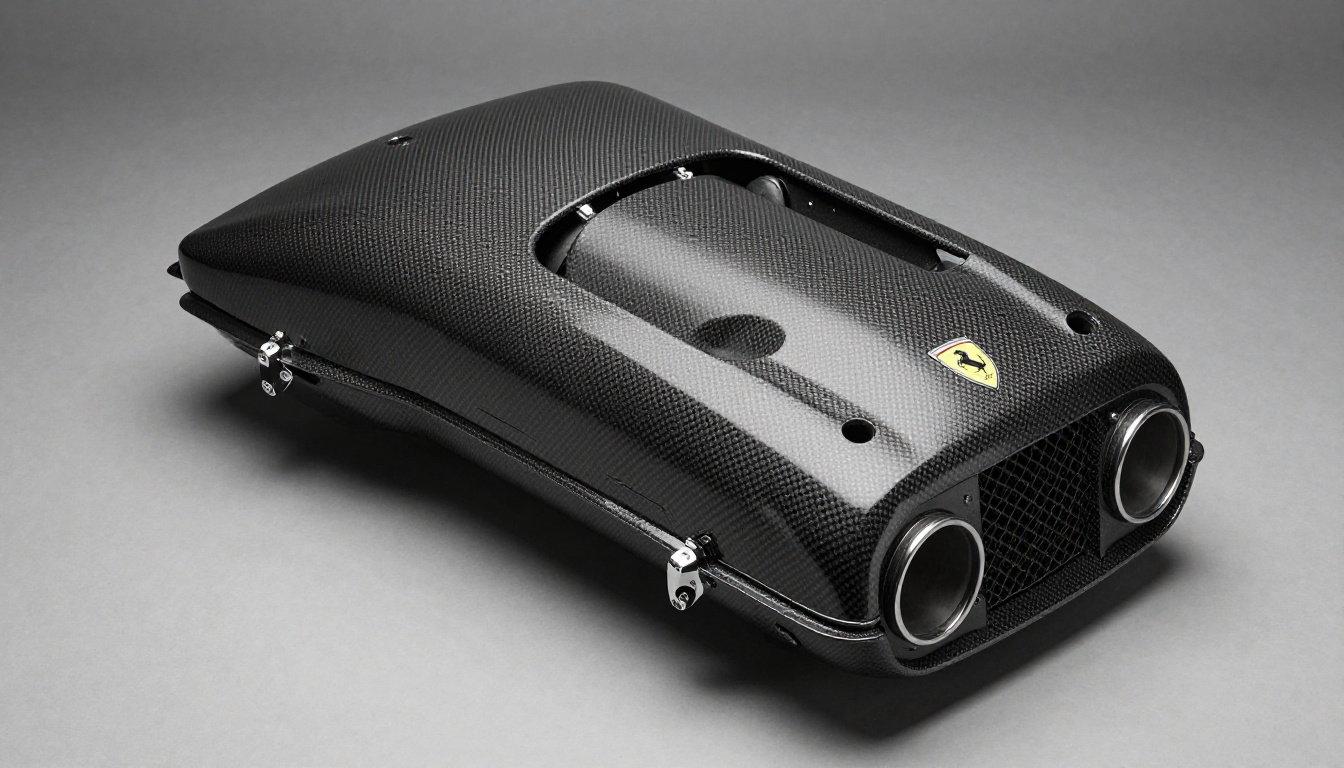
We often recommend the Challenge Stradale air boxes for your ferrari 360 modified project. These larger carbon fiber units increase the volume of available air. They also look spectacular when you open the glass engine bay cover.
High-performance air filters, such as those from BMC or K&N, represent a wise upgrade. These components allow for higher flow rates than the standard paper elements. They are a simple, cost-effective way to sharpen the throttle response.
However, using CS-style boxes often requires checking the air-fuel ratios carefully. Sometimes the ECU can adapt, but a custom map ensures the engine doesn’t run lean. This prevents potential damage during high-load sessions on the track.
You should also consider installing smooth silicone intake hoses. These replace the corrugated factory rubber pieces. They reduce air turbulence, ensuring a laminar flow directly into the throttle bodies for better efficiency.
Beyond the technical gains, we must note the acoustic benefits of carbon intakes. They add a mechanical induction growl that complements the exhaust note perfectly.
Electronic Tuning for ECU and TCU Refinement
To truly harmonize the new intake and exhaust hardware, the digital brain of the Ferrari needs a modern software update.
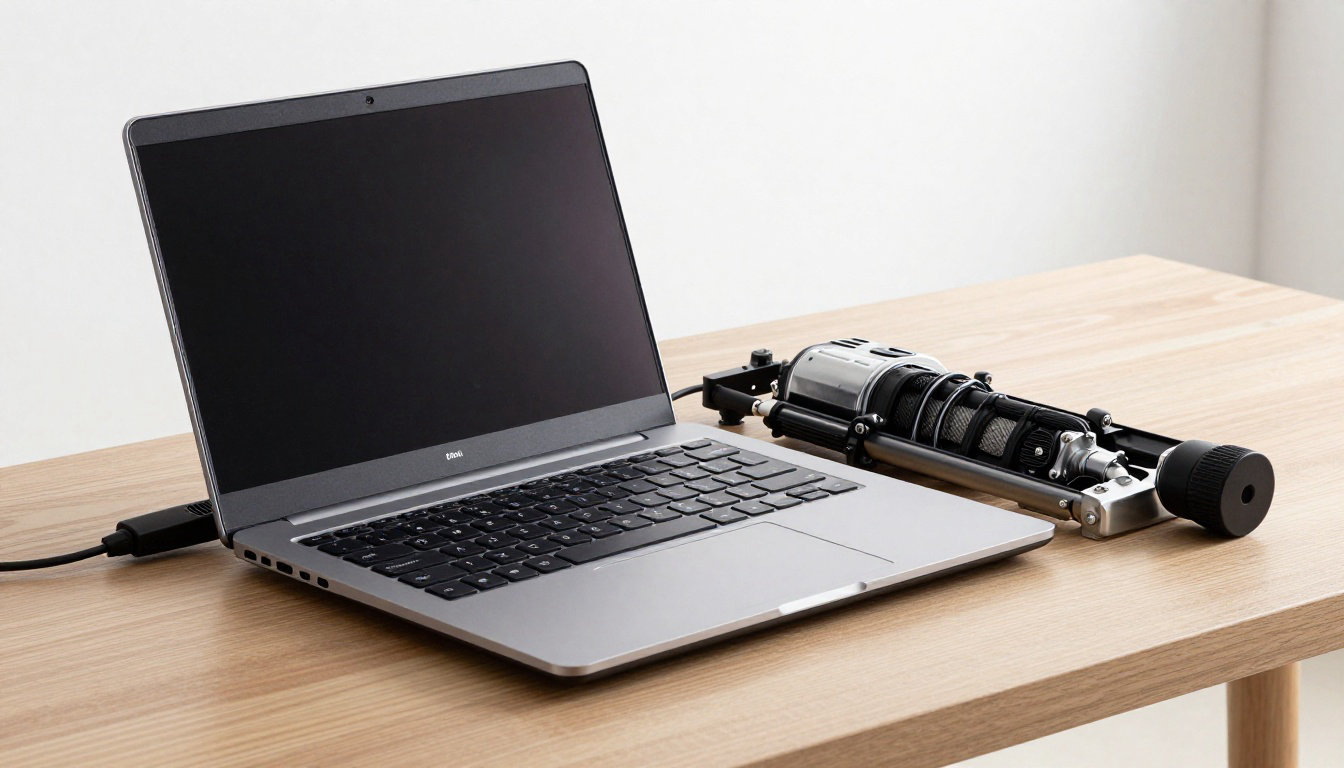
An ECU remap unlocks significant potential by optimizing ignition timing and fueling for high-quality 98-octane fuel. Most owners observe a power gain of 20 to 25 horsepower. Beyond peak figures, the torque curve becomes much smoother across the rev range. This refinement ensures your V8 breathes with newfound efficiency and vigor.
Focusing on the TCU upgrade for F1 gearboxes is a genuine game-changer for shift speeds. It reduces clutch wear by making engagement much more decisive and faster. We find that this modification transforms the transmission’s character, making it feel far more contemporary.
The removal of factory “soft” limiters allows for a more aggressive throttle map. This adjustment makes the car feel significantly more reactive to small inputs from your right foot. You will notice an immediate difference in how the engine responds to every command.
| Upgrade | Primary Benefit | Skill Level Required |
|---|---|---|
| ECU Remap | HP gains | Professional |
| TCU Flash | Shift speed reduction | Professional |
| MAF Calibration | Fuel trim accuracy | Intermediate |
Software tuning acts as the glue that holds all mechanical modifications together. It ensures every component works as a single, cohesive unit. Without this digital synchronization, your mechanical upgrades may never reach their full, glorious potential.
How to Refine Suspension Geometry and Bushings?
Straight-line speed is addictive, but the 360 Modena was built for the corners, where suspension refinement becomes the absolute priority.
We often observe that the original Sachs units show their age. Transitioning to adjustable coilover systems, such as those from Ohlins or Moton, grants you superior damping control. These kits allow for independent adjustment of compression and rebound. Such a transformation stabilizes the car’s composure over mid-corner bumps.
We must also address the impact of bushing materials. Replacing tired rubber with Delrin or spherical joints eliminates unwanted geometry changes. Your steering becomes laser-accurate as a result. However, be prepared for a slight increase in road noise.
A custom alignment is a cornerstone of this process. Increasing negative camber helps your front tires bite harder during turn-in. This adjustment effectively reduces the understeer present in the factory setup. It ensures the contact patch remains optimal when cornering hard.
Upgrading to stiffer anti-roll bars is another strategic move. These components reduce body roll without requiring excessively stiff springs. They keep the car flatter during rapid direction changes. This is particularly beneficial on tight, technical backroads or tracks.
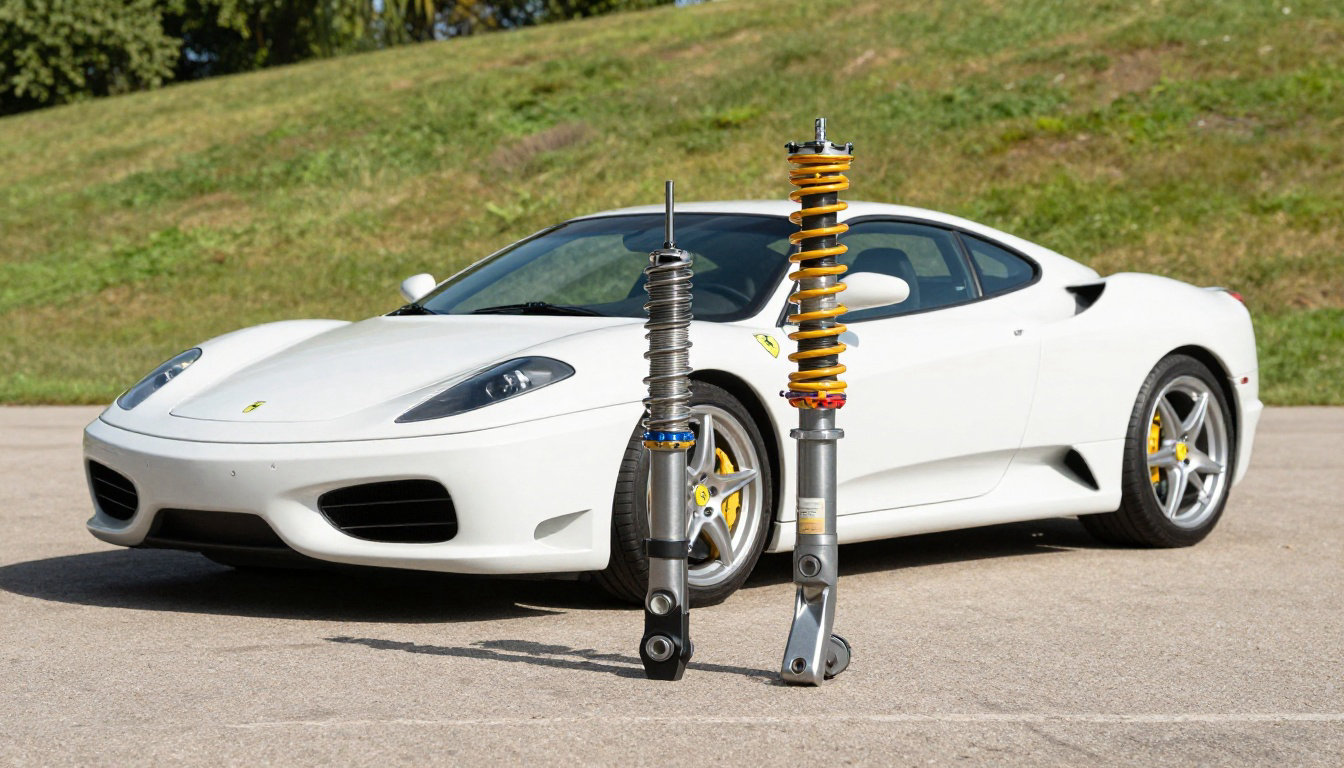
Ultimately, a well-sorted suspension makes your Ferrari 360 modified feel significantly younger. It restores the surgical precision that Ferrari originally intended for the Modena. You regain total confidence in every apex.
Weight Reduction and Chassis Corner Weighting
Beyond the suspension components themselves, the physical mass they support must be strategically managed to maximize the car’s mechanical grip.
Identifying weight reduction targets is the first step toward agility. The stock seats are notoriously heavy. Swapping them for carbon fiber buckets can save 30kg instantly. It also lowers the driver’s seating position.
Unsprung weight reduction offers even deeper benefits. Lightweight forged wheels and carbon-ceramic brake conversions are expensive but highly effective. They allow the suspension to react faster to road imperfections. This improves both the ride quality and the overall mechanical grip levels.
We often look to the “Challenge” philosophy for inspiration. Removing sound deadening and carpets reveals the beautiful aluminum chassis. It makes the driving experience much louder and more connected to the mechanical soul.
- Lightweight Lithium battery (-15kg)
- Carbon fiber door cards (-5kg)
- Lexan rear window (-6kg)
- Forged wheels (-12kg total)
Every kilogram counts in this pursuit. Small savings across the entire car add up to a massive performance difference.
Aerodynamic Improvements for High-Speed Stability
As the car becomes lighter and faster, managing the airflow around and under the body becomes vital for high-speed confidence.
Focusing on the front splitter is our first priority. A more aggressive front lip increases downforce on the nose. This helps prevent the front end from feeling “light” at speeds over 120 mph. We often see this modification in track-oriented 360 builds.
Next, we must consider the rear diffuser. The 360 was among the first road cars featuring a functional flat bottom. Enhancing the fins helps extract air faster. This creates a stronger vacuum effect under the car.
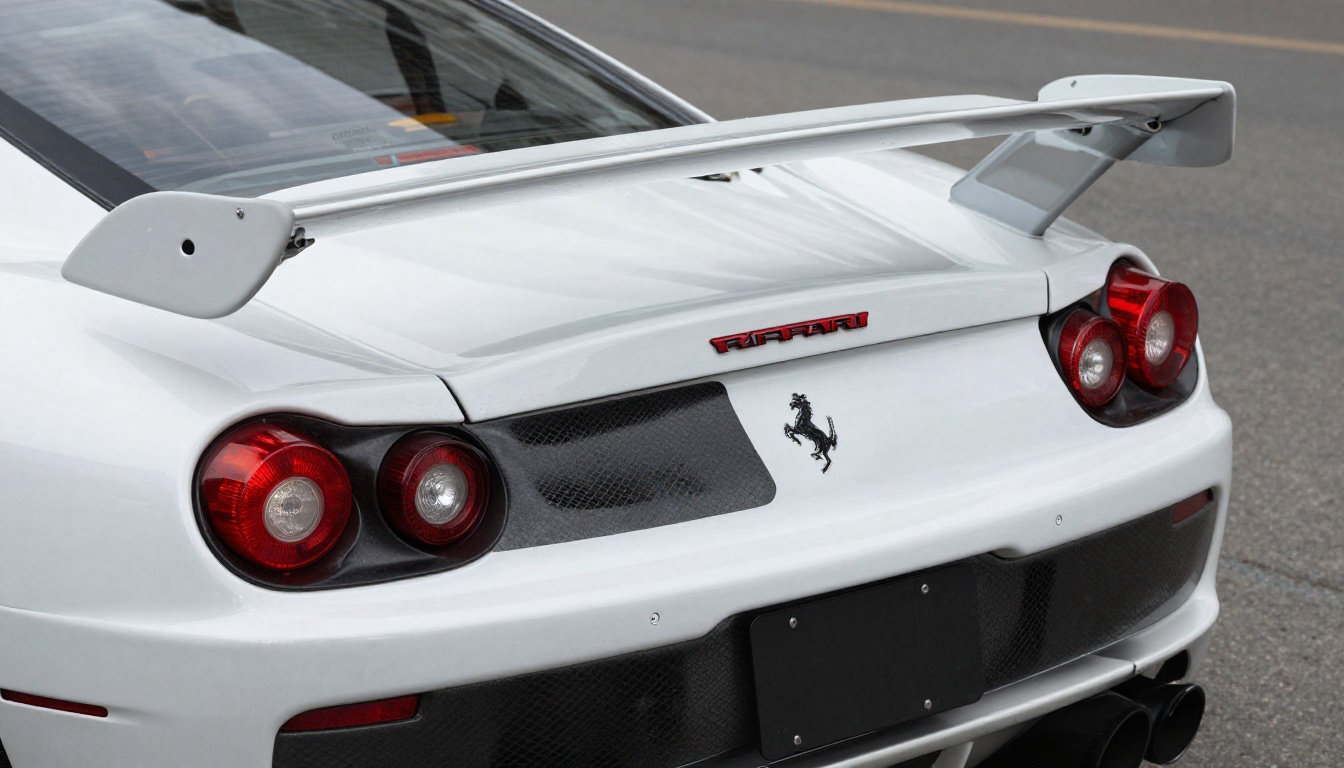
The Challenge Stradale rear spoiler offers a sophisticated solution. It is a subtle lip that significantly improves high-speed stability without adding excessive drag. It balances the aerodynamic load between the front and rear axles.
However, we must avoid “unscientific” aero modifications. Adding a massive rear wing without front-end balance causes dangerous high-speed understeer. Aerodynamics must be treated as a complete, balanced package for your safety.
Finally, these aero mods also assist with cooling. Better airflow through the radiators prevents the engine from overheating during intense use. We find that a holistic approach ensures both performance and reliability.
Risks and Maintenance of High-Performance Modifications
Ownership of a modified Ferrari requires a more disciplined approach to maintenance to ensure that increased performance doesn’t lead to premature failure.
High-performance driving shears engine oil faster than standard cruising. We recommend changing fluids every 3,000 miles or after two track days. This acts as a wise insurance policy for longevity.
Modified engines place significant stress on the cooling system. Aluminum radiators represent a smart upgrade to handle extra heat. They protect head gaskets and sensitive components during aggressive driving sessions.
Brake fluid selection is equally vital for your safety. Using a high-boiling-point fluid like Castrol SRF prevents a spongy pedal. It remains essential when pushing the car to its new mechanical limits.
Regular nut-and-bolt checks are necessary for modified vehicles. Altered suspensions vibrate differently, which can loosen hardware over time. A quick inspection before spirited drives prevents major mechanical failures.
Respect for the machine remains paramount. Proper care ensures your 360 remains a reliable partner on the road.
By harmonizing weight reduction, exhaust flow, and precise corner weighting, you transform the 360 Modena into a laser-accurate driving machine. Now is the time to refine your chassis geometry and ECU mapping to unlock this V8’s true visceral potential. Elevate your ferrari 360 modified today to experience the ultimate synergy of Italian soul and modern performance.