
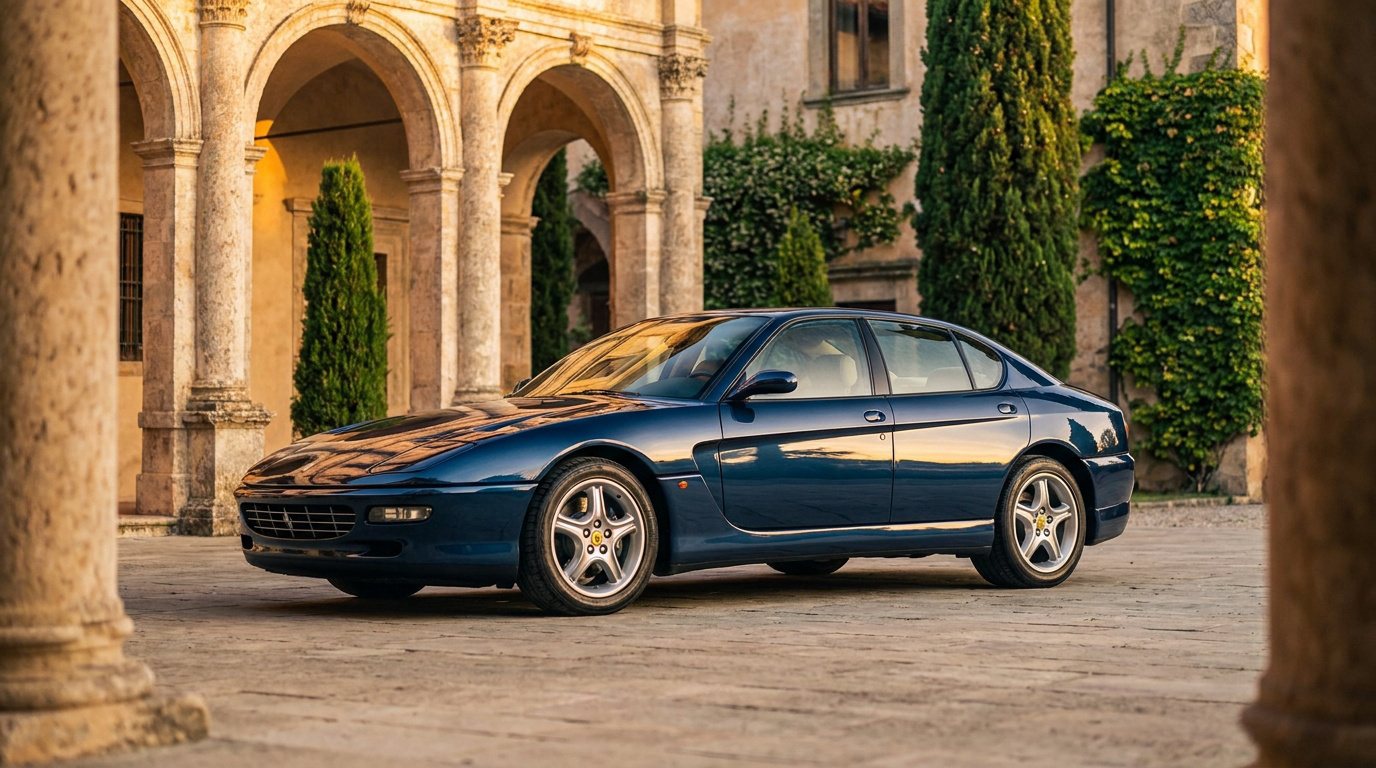
Key takeaway: The Ferrari 456 GT is a quintessential V12 grand tourer. While bespoke four-door “Venice” versions were custom-built for royalty, the factory model remains a pure 442-hp analog masterpiece. For enthusiasts, it offers a rare balance of Pininfarina elegance and high-speed comfort, marking the final era of iconic pop-up headlights and gated manual shifting.
With its 442-horsepower 5.5L V12 and iconic pop-up headlights, the Ferrari 456 GT remains a peak analog masterpiece of the late 90s. Yet, a curious myth persists around the existence of a factory 456 gt sedan, despite the model officially being a dedicated two-door grand tourer.
I often see enthusiasts confused by rare custom builds like the Venice saloons commissioned by the Sultan of Brunei. I will help you distinguish these bespoke royal creations from the standard production run to clarify what truly defines this V12 legend.
- The Ferrari 456 GT: A Masterclass in V12 Grand Touring
- Engineering the Beast: 5.5 Liters of Pure Italian Muscle
- The 456 GT Sedan: Myth or Sultan-Style Reality?
- Living with a Legend: Maintenance and the Schumacher Touch
The Ferrari 456 GT: A Masterclass in V12 Grand Touring
The Ferrari 456 GT features a 442-hp 5.5L V12, marking the final era of pop-up headlights. Produced until 2003, this Pininfarina-designed 2+2 grand tourer remains a peak analog V12 experience before the 612 Scaglietti.
The transition from the 456 GT to its refined successors reflects a fascinating evolution in Ferrari’s grand touring philosophy.
Pininfarina’s silhouette and the end of the pop-up lamp era
The early 90s marked a radical design shift. Pininfarina replaced sharp 80s wedges with curved, aerodynamic lines. This focus on timeless elegance redefined the modern grand tourer silhouette.
I find the pop-up headlights particularly nostalgic. They represent a dying breed of automotive flair. The 456 was actually the last Ferrari to feature these iconic, retractable lighting elements.
Notice the visual balance. That long hood defines the classic front-engine profile perfectly. It is a masterclass in proportion.
Refining the formula from the original GT to the 456M
In 1998, the “Modificata” updates arrived. Ferrari smoothed the front grille and improved the aerodynamics. These subtle changes modernized the car for the new millennium while keeping its soul intact.
The interior overhaul was equally significant. The dashboard became more ergonomic with superior materials. We saw it finally address early criticisms regarding cabin quality and switchgear durability from 1992.
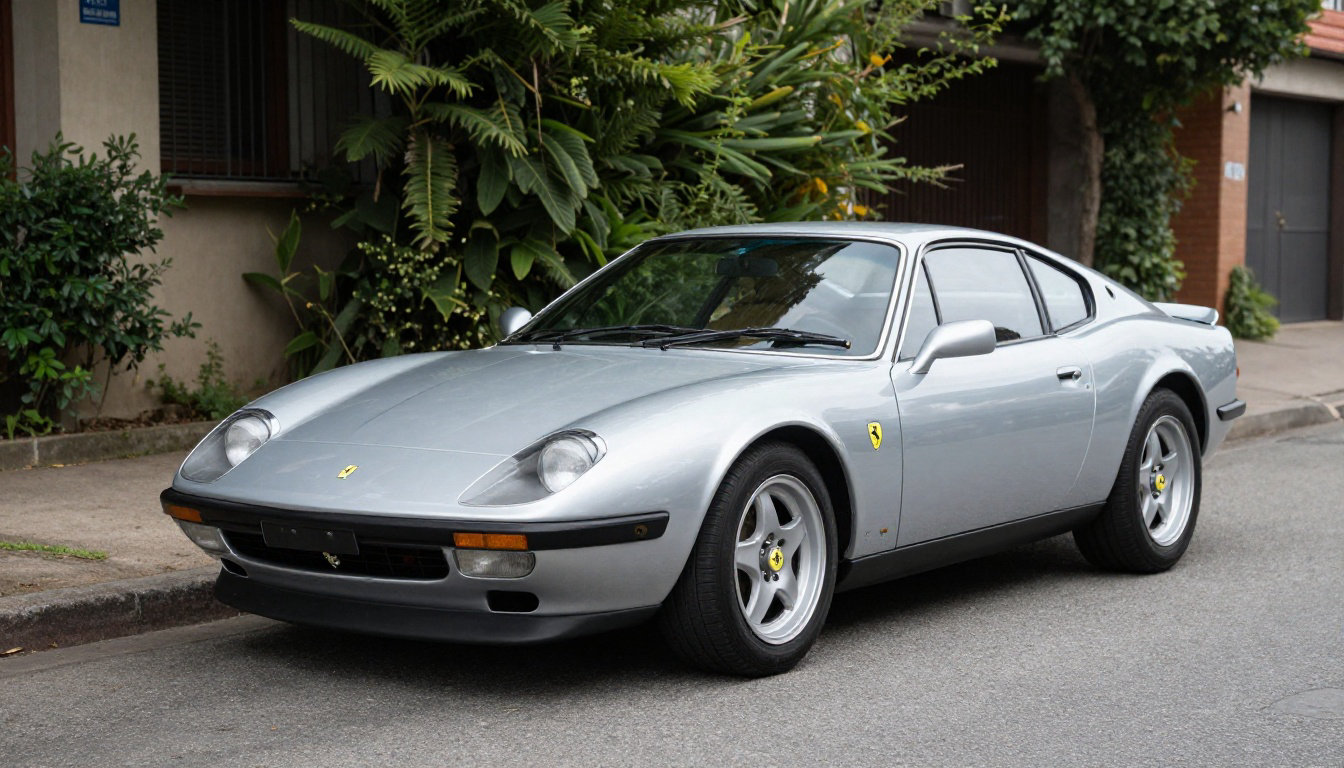
Production reached nearly 3,300 units by 2003. This commercial success secured its legacy in Maranello’s storied history.
Engineering the Beast: 5.5 Liters of Pure Italian Muscle
While the aesthetics were groundbreaking, the real magic happened under that expansive aluminum hood where the V12 lived.
V12 engine architecture and the quest for reliability
The F116 engine is a masterpiece. This 5.5L 65-degree V12 produced 442 horsepower. It used a dry-sump lubrication system for better performance. The block was lightweight aluminum, ensuring a respectable power-to-weight ratio for a heavy grand tourer.
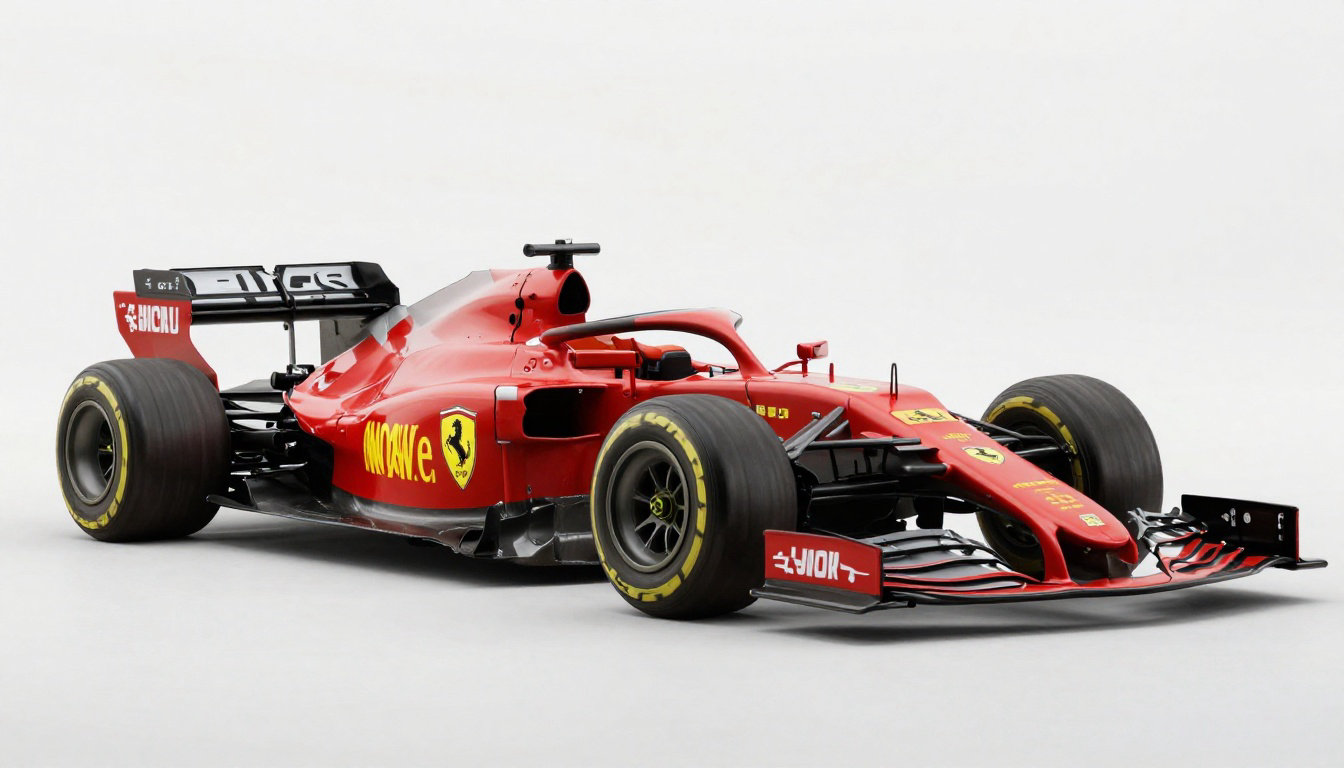
I find this unit remarkably robust. It was more durable than older 412 engines. This marked Ferrari’s shift toward modern manufacturing standards and more predictable maintenance schedules.
The performance metrics remain impressive. A top speed of 186 mph made it the world’s fastest four-seater at launch.
Manual purity vs. the GTA’s four-speed automatic compromise
The 6-speed manual is the true “étalon technique” here. It offers tactical engagement and gated shifting. It remains the purist’s choice for a raw, mechanical Italian driving experience.
Then we have the GTA variant. The 4-speed automatic targeted North American luxury buyers. It sacrificed some raw performance for smooth cruising and effortless city driving in heavy traffic.
In my view, the GTA changed the car’s soul. It made the 456 a viable daily driver for the wealthy elite.
- Manual: 6-speed gated, higher resale value
- Automatic: 4-speed torque converter, smoother for GT cruising
The 456 GT Sedan: Myth or Sultan-Style Reality?
Beyond the standard production cars, a shadowy world of custom coachbuilding created some of the most debated Ferraris ever.
The Venice Saloon: Brunei’s custom four-door obsession
The Sultan of Brunei played a massive role here. He commissioned Pininfarina to build several four-door “Venice” saloons. These were expensive, bespoke creations for royalty, never standard factory options.
Engineers had to stretch the chassis significantly. They added rear doors with impressive seamlessness. The result was a functional, high-performance sedan that looked factory-built despite its extreme rarity.
I must mention the “Venice” estate version too. The Sultan also ordered station wagons based on the 456 platform. These remain some of the rarest Ferraris in existence today.
Why Maranello kept the sedan off the assembly line
We need to clarify the mass production myth. Ferrari never officially sold a 456 sedan to the public. They guarded the brand’s sports car image fiercely during the 1990s.
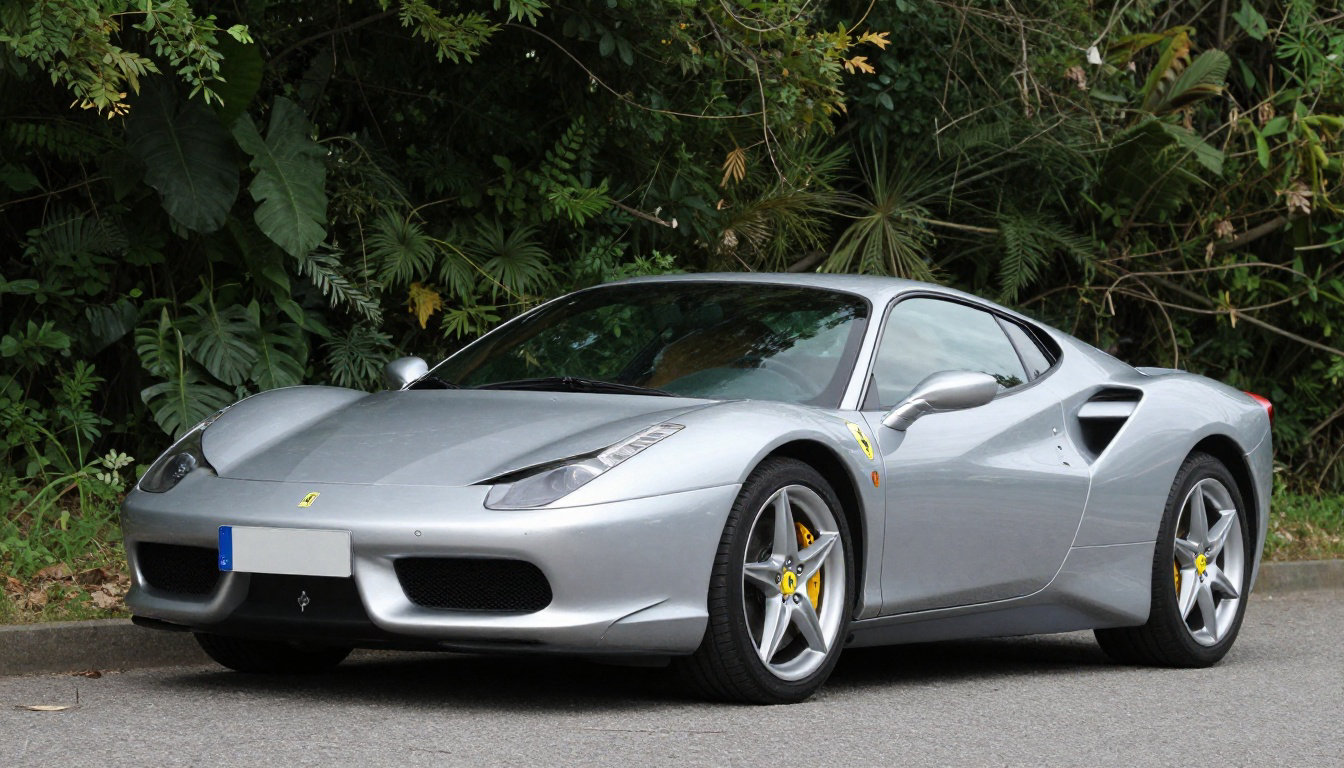
Enzo Ferrari famously preferred coupes for the prancing horse. A production sedan was seen as a compromise. The company simply wasn’t ready to make that leap back then.
Market competition played a role. Ferrari left the high-end sedan market to brands like Bentley or Maserati.
Here is the breakdown of the 456 variations:
| Model | Doors | Production Status | Purpose |
|---|---|---|---|
| 456 GT | 2 | Standard | Grand Touring |
| 456 Venice Saloon | 4 | Bespoke | Royal Luxury |
| 456 Venice Estate | 5 | Bespoke | Royal Utility |
Living with a Legend: Maintenance and the Schumacher Touch
Owning such a masterpiece requires a deep wallet and an understanding of its specific mechanical quirks.
Powertrain upkeep and the Bicolore Scaglietti edition
Maintenance headaches often involve window regulator failures and electronic suspension issues. The V12 cooling system also needs regular checks. This prevents expensive overheating damage to the engine.
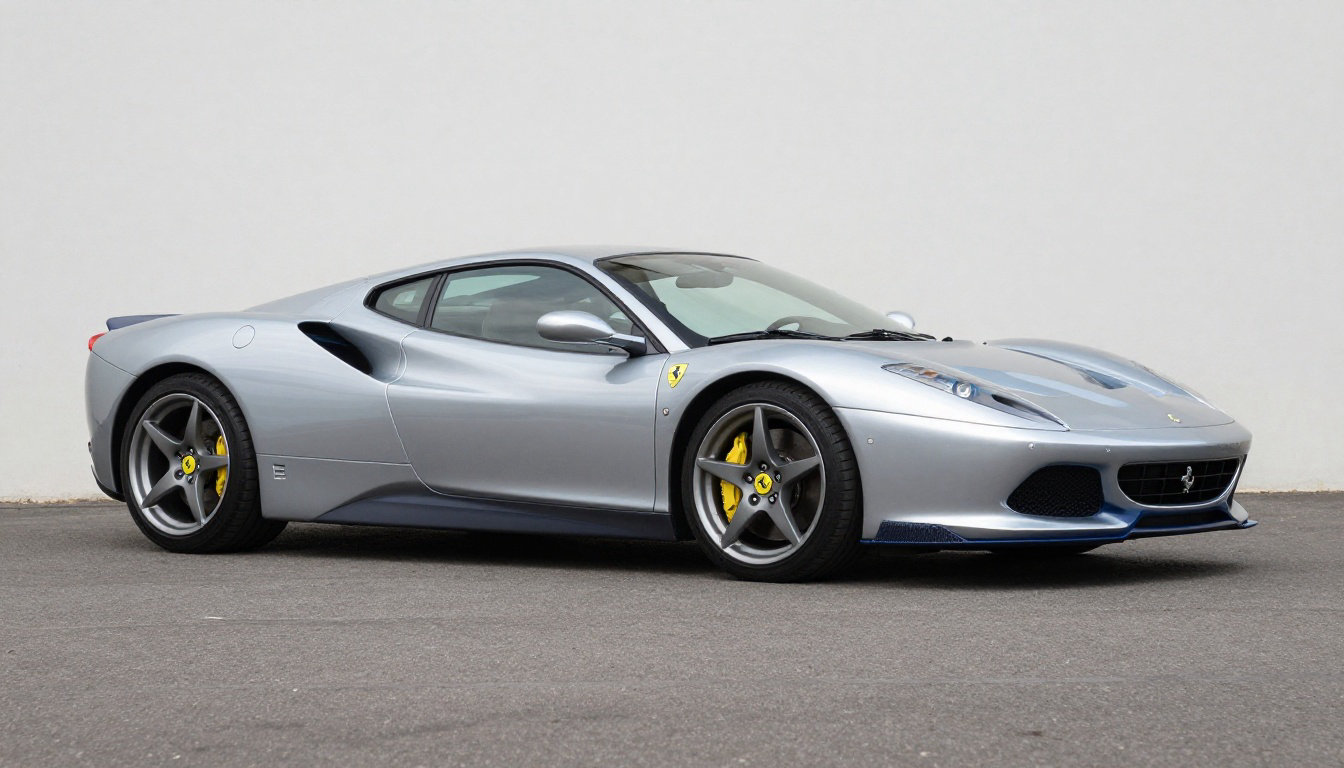
The Schumacher Bicolore Scaglietti edition remains ultra-rare. It featured a two-tone paint job and custom interior. This version celebrated Michael Schumacher’s Scuderia success. Only a handful exist, making them highly collectible today.
Unique handling tweaks were included. The Schumacher edition often featured the Fiorano handling pack for sharper response.
Measuring the 456 against the 412 and 612 Scaglietti
The 456 represents a massive leap from the boxy 412. It introduced modern ergonomics to the lineup. Yet, it retained a purely analog driving feel for the pilot.
Contrast this with the 612 Scaglietti. The 612 is larger and more digitally advanced. Many collectors still prefer the 456 for its compact dimensions and Pininfarina curves.
The 456 GT is the last “small” V12 grand tourer. It bridges the gap between old-school mechanical Ferraris and modern digital super-GTs. It remains a timeless choice for enthusiasts.
While the mythical 456 gt sedan never reached production, the V12 coupe remains a pinnacle of analog elegance. Secure your piece of history now, as these 442-hp masterpieces are rapidly becoming the most coveted grand tourers for discerning collectors. Own the legend before the market escapes you.