
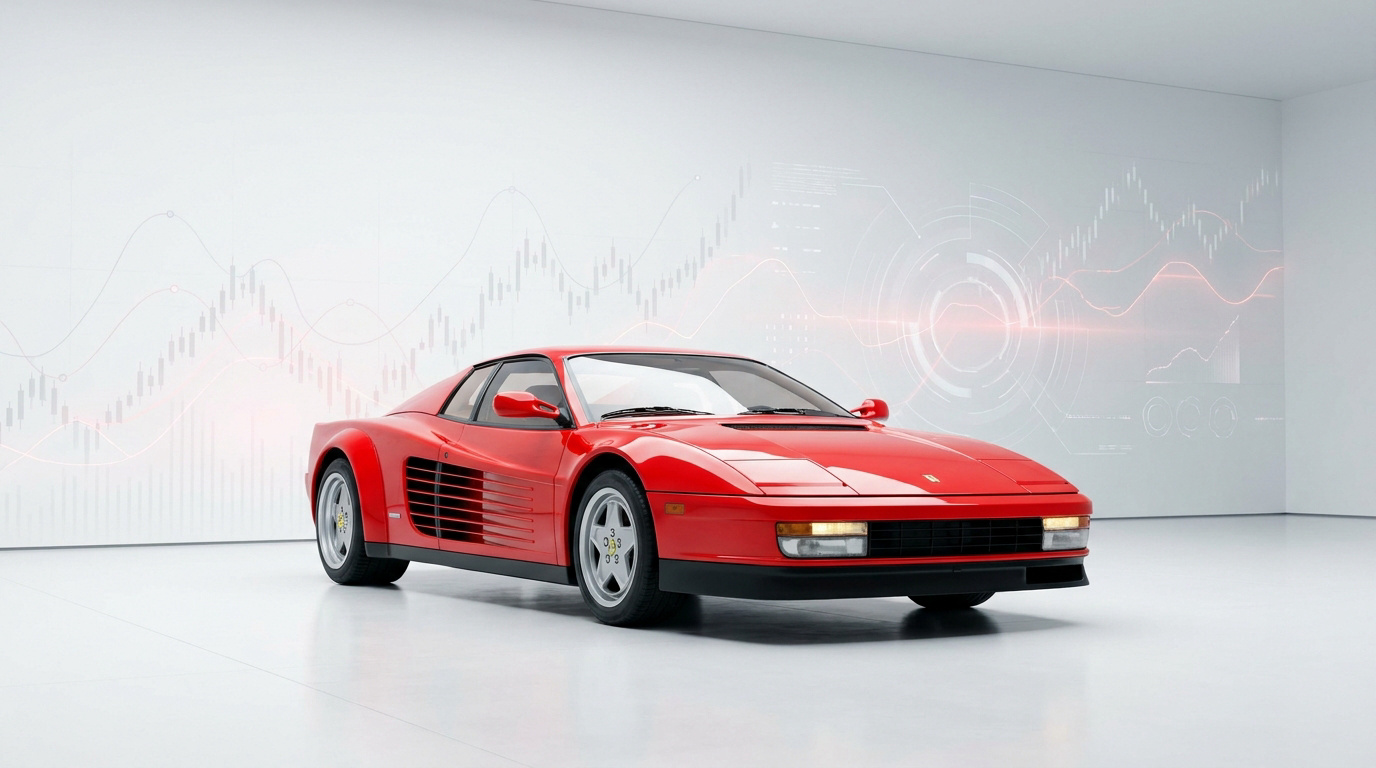
Key takeaway: The Ferrari Testarossa is a premier 1980s icon where value hinges on rarity and authenticity. While standard models range from $150,000 to $300,000, early “Monospecchio” units command a 20% premium. Investing in Classiche certification is essential, as this “Red Book” validation alone can increase market value by $20,000, ensuring long-term blue-chip status for collectors.
With an average market value hovering around $161,818, the iconic 1980s silhouette remains a blue-chip dream for many collectors. Yet, navigating the wide spectrum of the ferrari testarossa price can be daunting when rare Monospecchio versions command upwards of $325,000 while higher mileage units sit closer to $135,000.
I often see enthusiasts hesitate because they underestimate the impact of service history and specific production years on the final hammer price. I will help you decipher these market nuances and evaluate the true cost of owning this Pininfarina masterpiece today.
- Ferrari Testarossa Price and the 1980s Market Reality
- The 2027 Ferrari 849 Testarossa: A Modern Successor’s Cost
- Valuation Drivers: Why Some Testarossas Cost Double
- Real-World Costs Beyond the Initial Purchase
Ferrari Testarossa Price and the 1980s Market Reality
Classic Ferrari Testarossa values range from $150,000 for high-mileage units to over $300,000 for rare “Monospecchio” models. Condition and service history dictate final hammer prices, especially for early center-lock wheel versions.
The allure of these early mechanical choices naturally brings us to the most coveted variant of the entire production run.
Early Single-Mirror Models and Their Collector Status
The “Monospecchio” design defines the early 1984-1986 era. Its single, high-mounted mirror creates a striking silhouette. This unique aesthetic choice commands a massive premium among dedicated Ferrari enthusiasts.
Valuations reflect this rarity. These early cars often fetch 20% more than later standard versions. Prices frequently climb between $180,000 and $325,000.
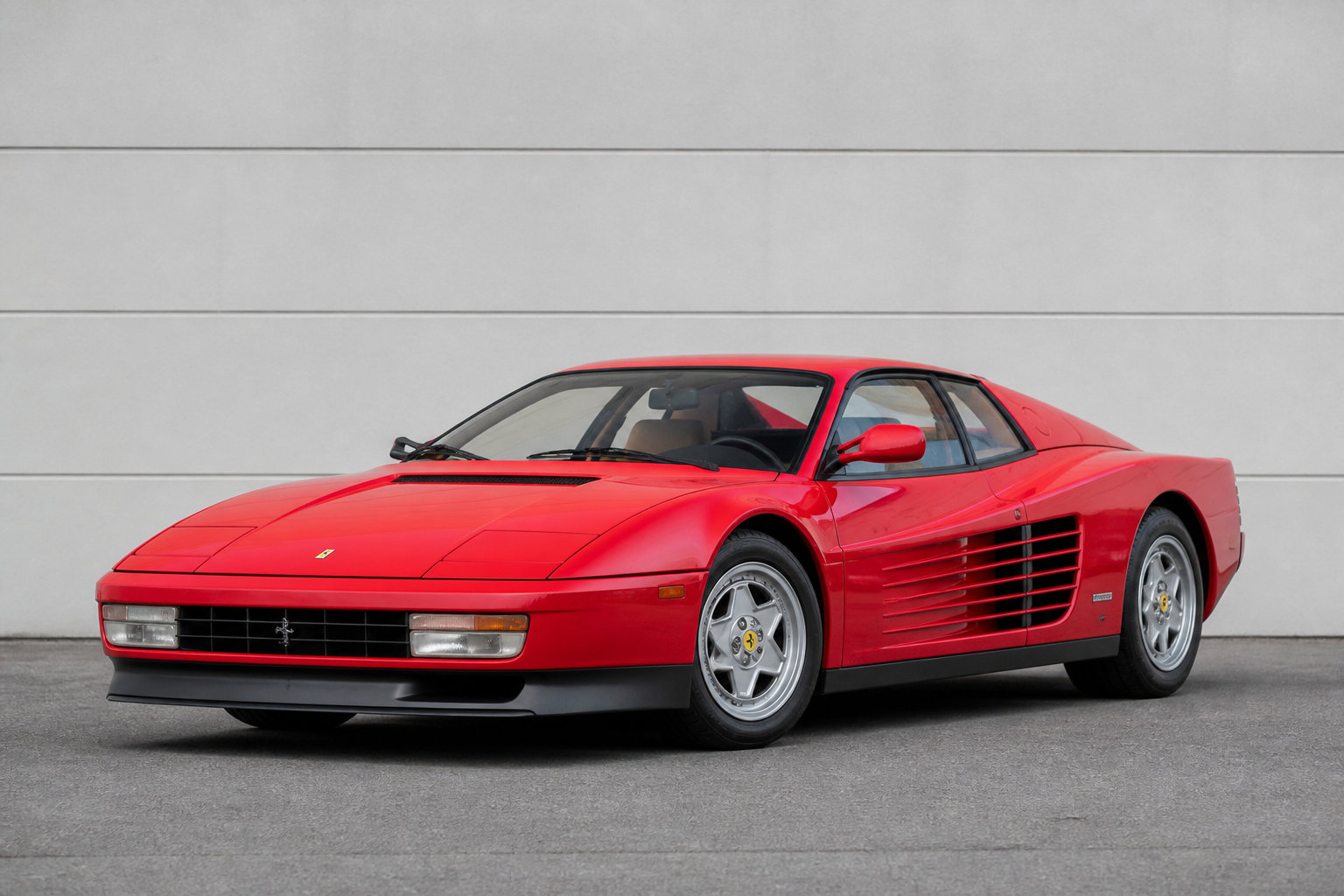
Purists specifically hunt for the magnesium center-lock wheels. They offer a raw, motorsport-inspired mechanical appeal. You can find more about such icons in our best classic convertible cars guide for comparison.
Ultimately, these early production units remain the ultimate investment. Their scarcity ensures long-term desirability.
Late-Era Refinements and the Five-Bolt Wheel Premium
By 1988.5, Ferrari shifted toward practicality. They introduced a standard five-bolt wheel pattern. Engineers also updated the suspension geometry to improve the car’s overall handling characteristics.
Late-model coupes are generally more accessible for collectors. While more common, well-preserved units with low mileage still command strong market prices. The 1990s production peak provides more inventory for new buyers.
I find these later cars much better for actual driving. They offer a more reliable experience for those wanting to enjoy their V12 legend on the open road.
The 2027 Ferrari 849 Testarossa: A Modern Successor’s Cost
While the 1980s icon defines the past, the upcoming 2027 Ferrari 849 Testarossa redefines the financial entry point for the modern era.
Sticker Price for the 849 Hybrid Evolution
The expected MSRP for this hybrid beast is staggering. I estimate the starting price for the plug-in hybrid V12 will easily exceed the $500,000 mark. Base coupes begin at $565,685.
Customization costs quickly escalate the final bill. Carbon-fiber packages and bespoke paint finishes are available. These high-end options can easily add six figures to the total price.
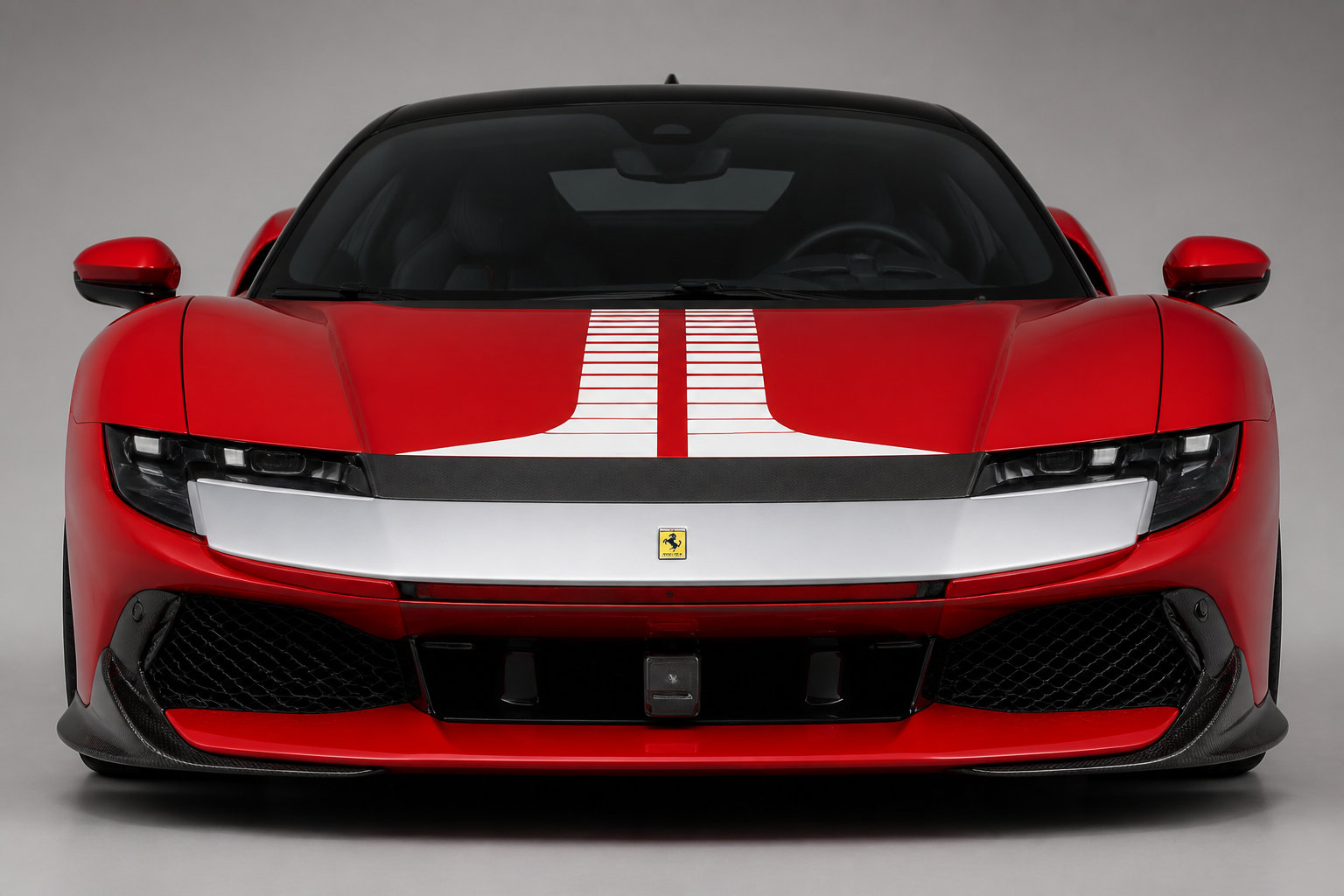
Initial allocation slots will likely see significant premiums. Dealer markups are expected to be substantial for early adopters. Check out the latest Ferrari updates to track these market shifts.
Comparing the 1991 Icon With the 2027 Performance
A vintage unit costs a fraction of the new hybrid. However, the performance gap is massive between generations. You are essentially choosing between nostalgia and a technical brute.
The 1000 horsepower of the 849 offers modern hypercar speed. In contrast, the 1980s model provides a raw, mechanical purity. No hybrid can replicate that analog soul.
| Feature | 1991 Testarossa | 2027 849 Testarossa |
|---|---|---|
| Powertrain | V12 | Hybrid V12 |
| Horsepower | 390hp | 1000hp+ |
| 0-60 mph | 5.2s | <2.5s |
| Estimated Price | $180k | $550k+ |
| Tech Level | Analog | Digital |
The classic suits a weekend cruiser’s lifestyle perfectly. For track dominance, the 849 is the clear choice.
Valuation Drivers: Why Some Testarossas Cost Double
Understanding the base price is one thing, but specific valuation drivers explain why two seemingly identical cars have vastly different price tags.
Mechanical History and the Classiche Certification
The Ferrari Classiche “Red Book” represents the ultimate proof of authenticity. This certification confirms that every component matches the original factory specifications. Obtaining this document can easily add $20,000 to the market value.
Collectors are notoriously meticulous about missing items. A missing original tool kit or the leather owner’s manuals will incur a heavy price penalty. In this market, originality is the only currency that truly matters to high-end buyers.
Service history remains the backbone of any serious valuation. I always check for recent timing belt documentation before discussing figures. For broader market context, historical maintenance records often dictate the final hammer price.
Body Styles: Coupes vs the Elusive Conversions
Standard factory coupes remain the benchmark for most investors. While convertible conversions by firms like Straman offer a unique wind-in-the-hair experience, they typically sell for less. Purists generally prefer the original Pininfarina silhouette over third-party modifications.
The factory Spider built for Gianni Agnelli is a different beast entirely. This silver icon is essentially priceless and would command millions at auction. It stands as a testament to ultimate Ferrari rarity.
- Rarity of Nero (Black) paint
- Giallo (Yellow) value boost
- Interior color premiums like Crema
- Impact of the “Shed” find condition
Color choice is never just aesthetic; it is a financial strategy. Rare factory shades like Nero or Giallo significantly increase the final price compared to the ubiquitous Rosso Corsa.
Real-World Costs Beyond the Initial Purchase
Buying the car is just the first step; the real financial commitment begins with the ownership experience and long-term maintenance.
Living With a Flat-Twelve: Service Expectations
Annual budgets require discipline. Expect to spend $1,000 for basic inspections plus $700 for fresh fluids. High-performance tires and specialized consumables consistently command a premium over standard parts.
The engine-out service remains the ultimate hurdle. Every five years, the belt replacement forces a complete drivetrain removal. Labor and parts typically exceed $10,000, making documented history vital for resale.
Insurance demands specialized classic coverage. Climate-controlled storage is a hidden necessity to protect the electrics. These costs ensure your investment remains a functional masterpiece rather than a garage ornament.
Investment Outlook for the Pininfarina Masterpiece
Auction trends confirm a steady appreciation of 12% to 18% annually. The Testarossa has officially transitioned from a used exotic to a blue-chip asset. Collectors now fight for well-documented, original examples.
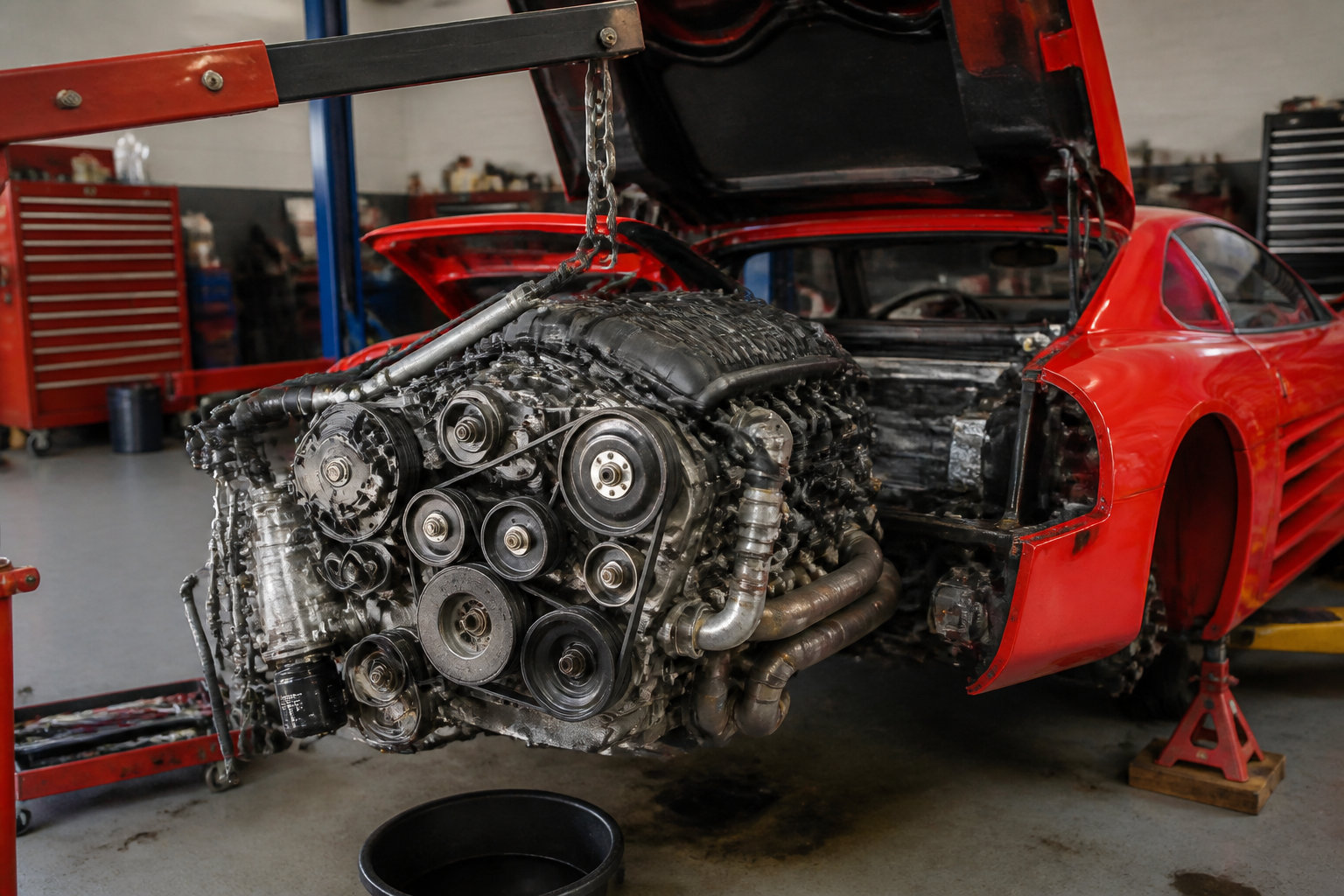
In our hybrid era, this analog flat-twelve feels like a revelation. As electric motors take over, pure internal combustion engines are becoming historical artifacts. Their mechanical soul offers an irreplaceable sensory experience.
The side-strake silhouette remains a definitive design icon. It captures the 80s spirit better than the Ferrari SF90 or F40. This visual dominance guarantees long-term relevance in any serious collection.
Owning this 1980s icon requires balancing a $150,000 to $300,000 investment with rigorous maintenance, especially the essential engine-out services. By prioritizing Classiche-certified units and expert inspections, you secure a legendary silhouette poised for long-term appreciation. Secure your piece of automotive history today and drive the dream into reality.