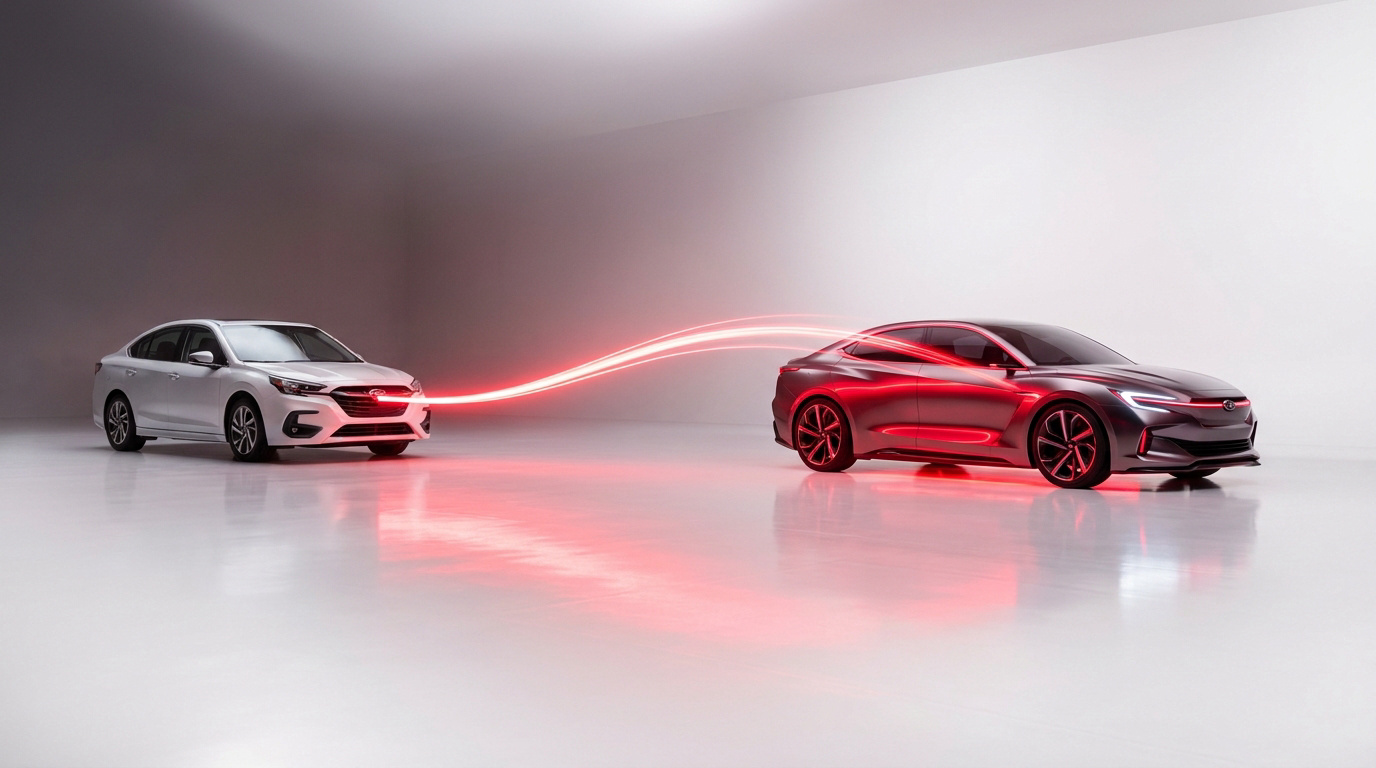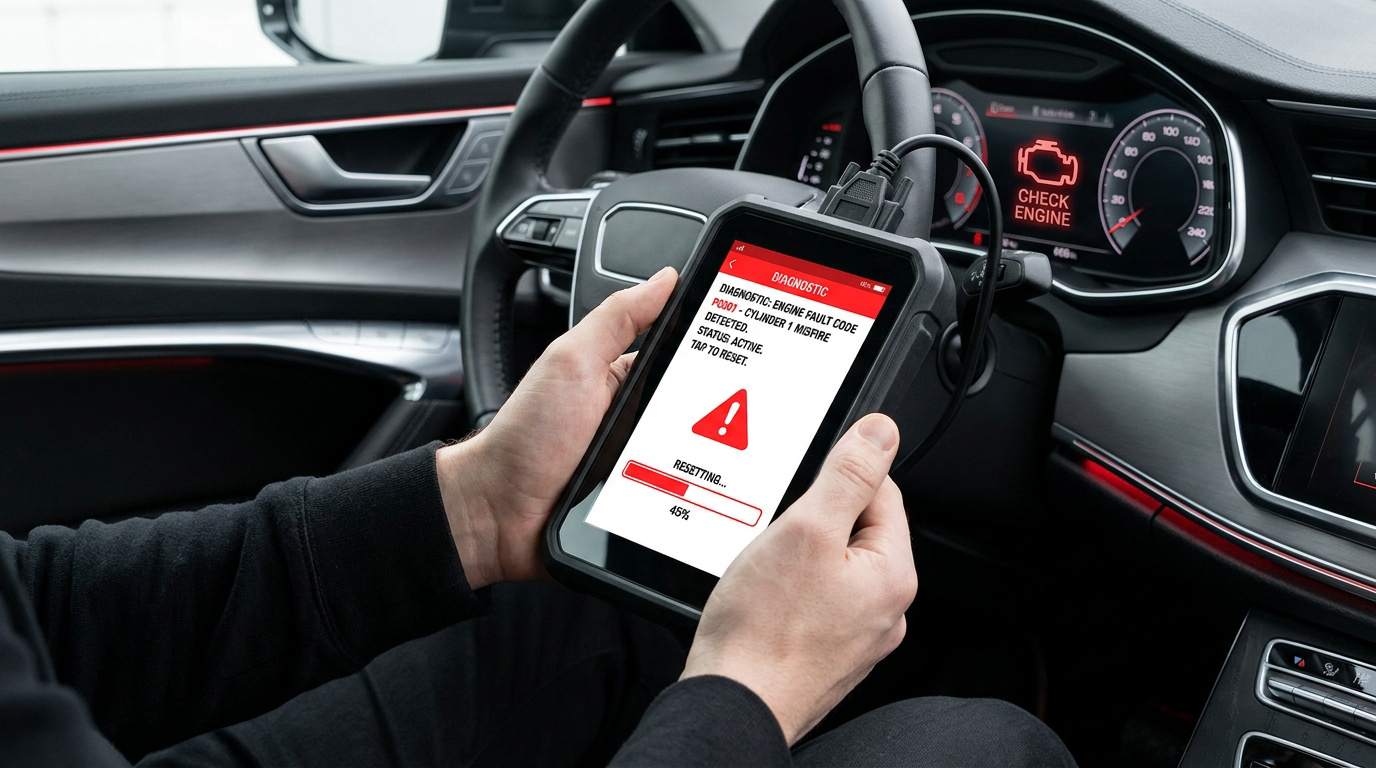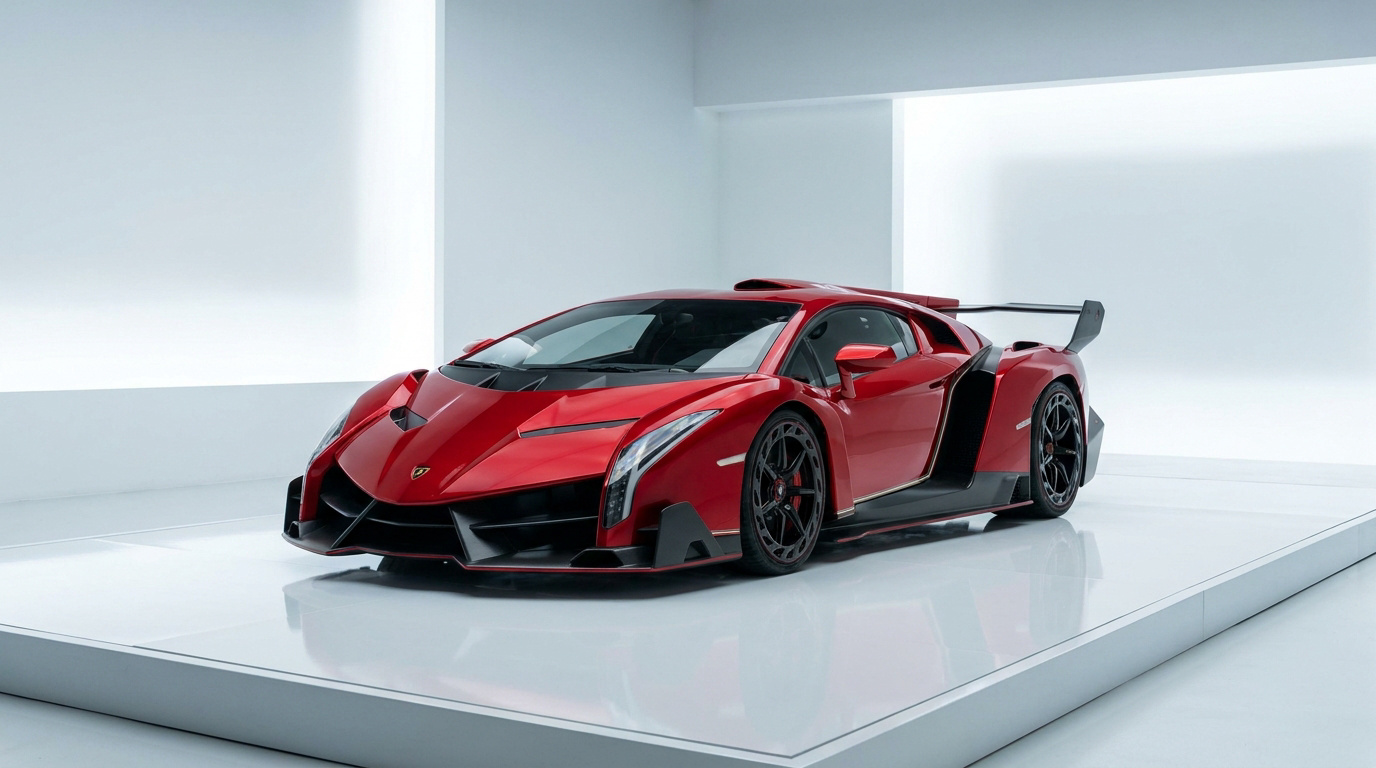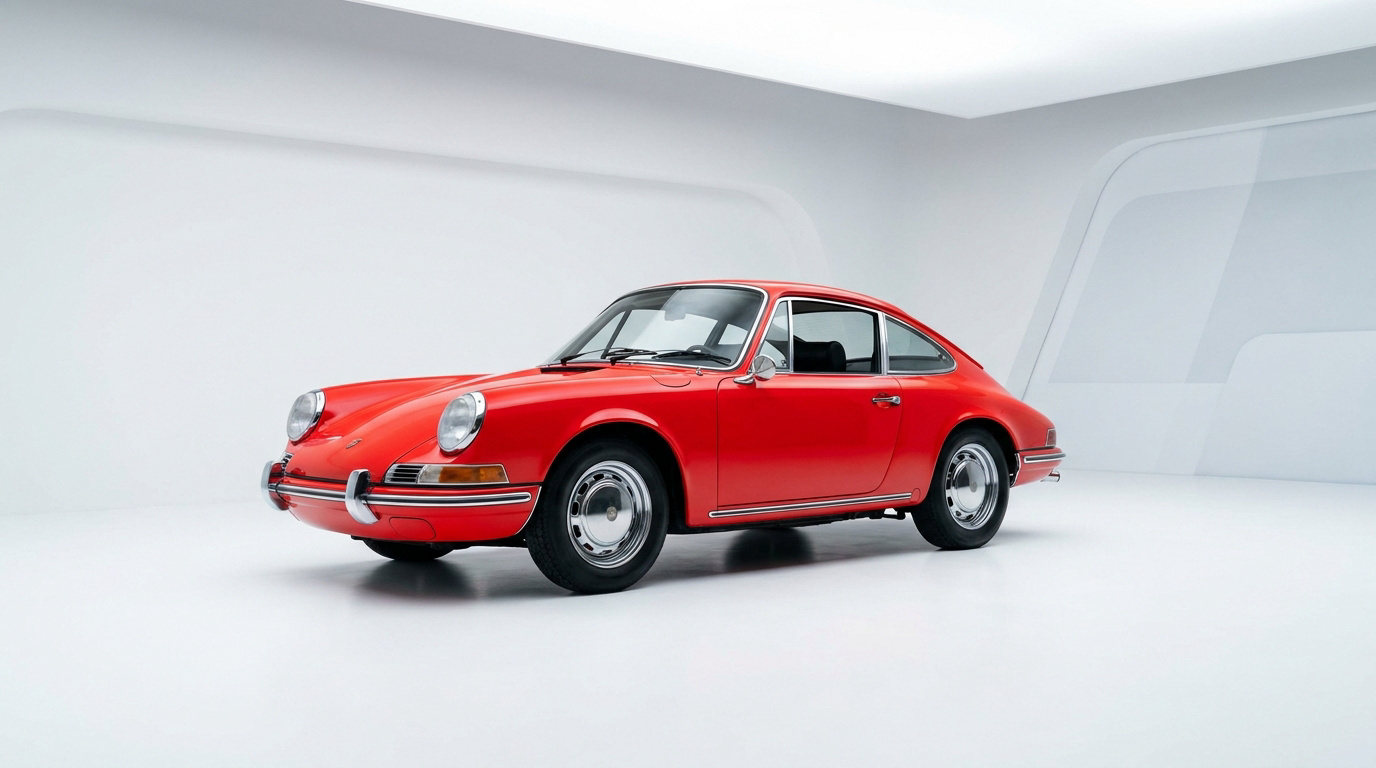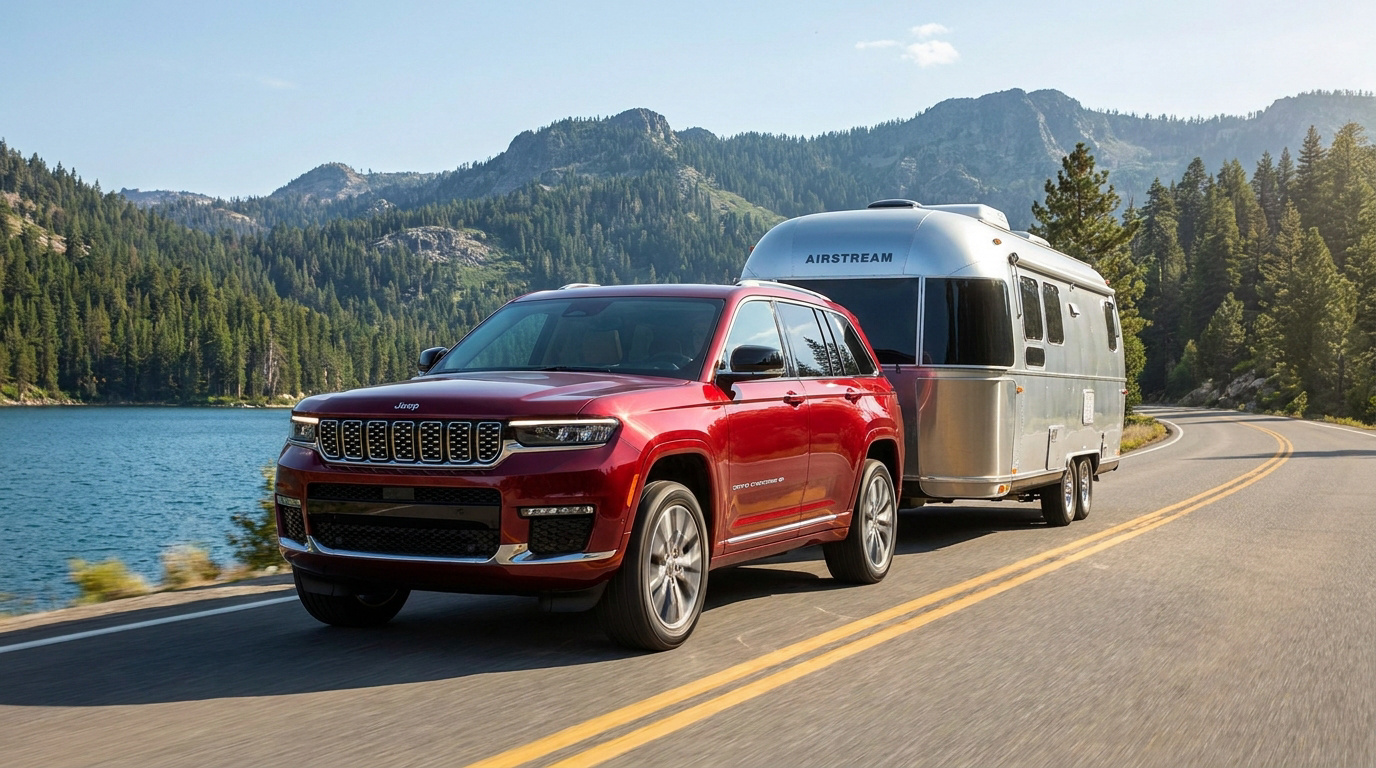

A bright red Ferrari sports car and a dark gray Ferrari shooting brake driving side by side on a coastal highway.

Ferrari vs Maserati comparison: performance or daily luxury

Key takeaway: The 2026 choice hinges on a technical divorce, as Ferrari focuses on high-revving hybrid performance like the 819hp 296 GTB, while Maserati embraces independence with its F1-inspired Nettuno V6. While Maranello offers raw track adrenaline, Modena provides a versatile four-seat grand tourer, balancing daily comfort with a sophisticated 550hp punch for transcontinental journeys. The Ferrari 296 GTB delivers a staggering 830 horsepower, yet many enthusiasts still find themselves torn between Maranello’s surgical precision and the grand touring soul of Modena. We often struggle to decide whether we crave the raw adrenaline of a track-focused supercar or the sophisticated versatility of a luxury cruiser. This detailed comparatif ferrari maserati explores their diverging technical philosophies and maintenance realities to help you identify which Italian icon truly belongs in your garage. We will examine everything from engine architecture to long-term value retention to settle the debate once and for all. Why Choose Between Ferrari and Maserati in 2026 Pure Performance and Engine Architecture Secrets What Budget to Plan for the Maintenance of These Italians? 3 Criteria to Validate Your Final Purchase Choice Why Choose Between Ferrari and Maserati in 2026 Ferrari ends engine supply to Maserati in 2024, forcing a technical split. Maranello focuses on high-revving hybrids like the 296 GTB, while Modena’s Nettuno V6 powers the daily-capable GranTurismo. This shift redefines the choice between raw track performance and versatile Italian grand touring. The Shared Heritage and Evolution of Common Engines For years, Ferrari hand-built V6 and V8 blocks for Maserati in Maranello. We remember the iconic F136 engine family powering the GranTurismo. It was a golden era of shared mechanical DNA. But the recent divorce changed everything. Ferrari stopped supplying engines to focus on its own expanding lineup. The partnership officially reached its finish line. Now, Maserati finds independence with the Nettuno engine. This 3.0L twin-turbo V6 features twin-combustion technology derived from Formula 1. It marks a bold new era for Modena’s engineering team. Radical Performance vs. Elegance: Two Visions of Italian Luxury Ferrari prioritizes lap times and aerodynamics with an uncompromising supercar philosophy. Maserati focuses on long-distance comfort and sophisticated aesthetics. One is a track weapon; the other is a daily masterpiece. Exclusivity remains a major gap. Ferrari maintains strict waiting lists and limited production runs for collectors. Buyer profiles are distinct. One seeks an adrenaline-fueled weekend machine for the track. The other wants a stylish, powerful companion for transcontinental trips. Both value the “Made in Italy” badge. Pure Performance and Engine Architecture Secrets While branding separates them, the real soul of these machines lies deep within their cylinder banks and crankshaft designs. Flat-Plane vs. Cross-Plane Crankshafts: The Sensation Clash Ferrari mid-engine V8s utilize a flat-plane crankshaft. This engineering choice allows for incredibly high revs. It produces a piercing, high-pitched exhaust note that defines the brand’s racing DNA. In contrast, Maserati V8s typically feature a cross-plane crankshaft. This setup provides a deeper, rhythmic rumble. It feels much smoother during grand touring sessions. I have often noted how these choices … Lire plus

Close-up of a hand touching a metallic short-throw shifter inside a Porsche 996 interior, highlighting the precision upgrade.

Enhance your porsche 996 shifter for precision and feel

Key takeaway: Replacing the factory thermoplastic bushings with aluminum components and ball bearings eliminates mechanical play. This upgrade restores shifting precision by addressing the structural degradation of original parts, which often leads to a vague, rubbery feel. By reducing lever travel and ensuring perfect gate alignment, drivers achieve faster, more reliable gear engagement and a superior connection to the transmission. The manual transmission of the Porsche 996 is renowned for its mechanical engagement, yet many owners now face a significant degradation in shift quality due to aging thermoplastic components. When these factory bushings crack or succumb to heat cycles, the once-precise gear selection transforms into a vague and rubbery struggle that diminishes the driving experience. Restoring the surgical precision of your porsche 996 shifter requires understanding how upgraded aluminum assemblies and ball bearings eliminate lateral play. We will examine the most effective solutions to transform your gearbox into a high-performance interface. Understanding the Porsche 996 Shifter Mechanics and Common Wear Points Performance Benefits of Short Throw Shifter Upgrades for the 996 Enhancing Driver Ergonomics with Weighted Knobs and Risers Maintenance and Installation of High-Performance Shift Linkages Understanding the Porsche 996 Shifter Mechanics and Common Wear Points Porsche 996 manual gearboxes suffer from vague engagement once factory thermoplastic bushings crack. Replacing these with 6061-T6 aluminum assemblies and ball bearings eliminates lateral play, restoring mechanical precision to the aging cable-driven system. The transition from factory degradation leads us to identify the specific symptoms caused by these failing plastic components. Signs of Failed Plastic Bushings and Cable Stretch Lateral slop in neutral often signals that thermoplastic bushings have disintegrated. This excessive side-to-side play confirms the structural failure of the internal housing components. The mechanism loses its original centering capability. Constant heat cycles within the cabin tunnel eventually degrade the factory plastic. This environmental stress results in a vague, rubbery feeling. Drivers lose the tactile feedback. Stretched cables create a spongy sensation. This makes finding third gear unnecessarily difficult during spirited driving. Differentiating Between Assembly Play and Cable Issues To diagnose, wiggle the lever while in gear. Significant movement suggests the shifter housing is the culprit. Conversely, cables usually manifest as vertical resistance or notchiness. Inspect the cable ends at the transmission side. Search for frayed wires or damaged plastic clips. This step determines if you require a full assembly or simple cable replacement. Mechanical binding remains a serious warning. Ignoring this can lead to expensive synchro damage soon. Performance Benefits of Short Throw Shifter Upgrades for the 996 While factory parts focus on comfort, aftermarket upgrades prioritize the mechanical connection between the driver and the gearbox. Mechanical Advantages of Ball-Bearing Kits Over OEM Plastic We must contrast factory friction with sealed ball bearings. Bearings offer a smooth, linear motion that plastic friction points can never replicate. The difference in tactile feedback is massive. Feature Factory Plastic Ball-Bearing Upgrade Driver Impact Pivot Material Plastic Steel Increased Rigidity Lateral Play High Zero Precise Gates Friction Level Moderate Low Effortless Motion Longevity Limited Lifetime Consistent Feel … Lire plus