
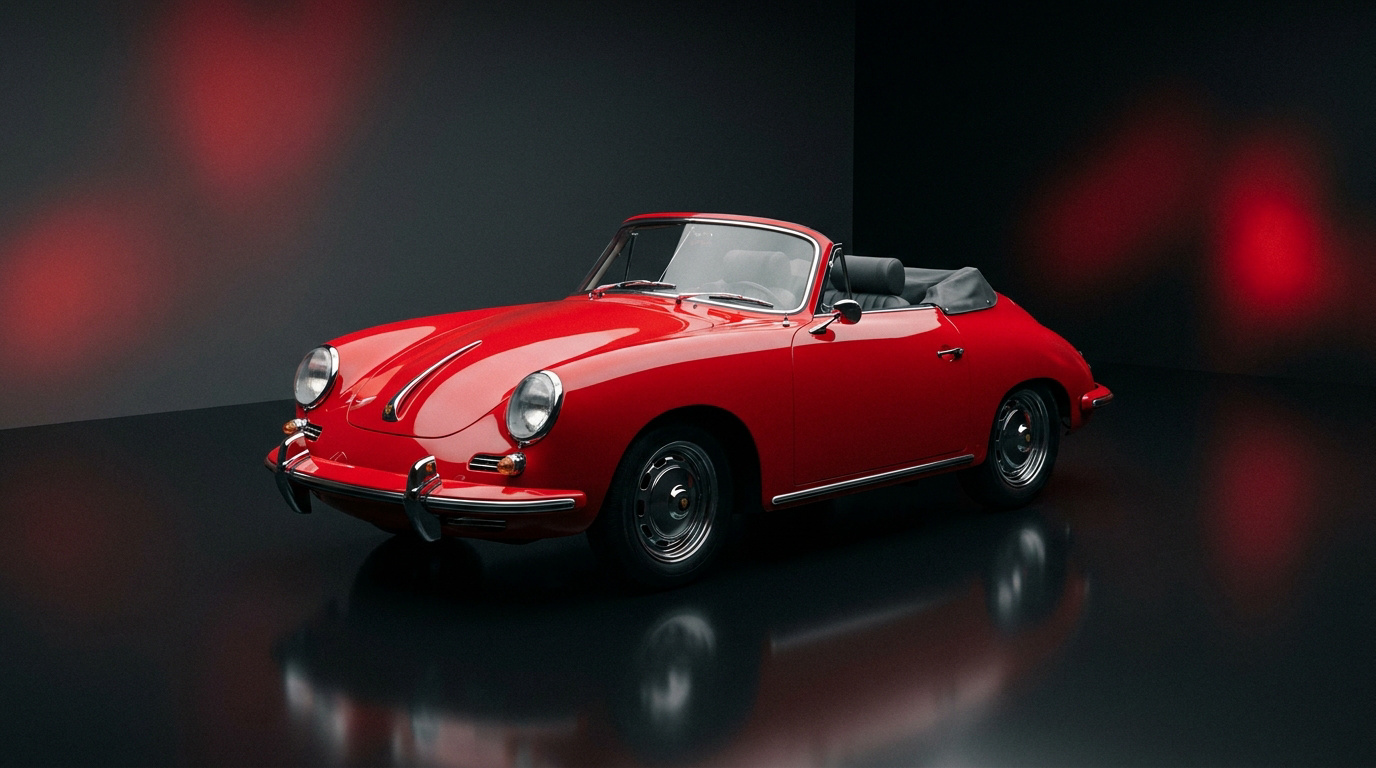
Key takeaway: The 1963 Porsche 356B Cabriolet represents the zenith of the T6 chassis, merging refined daily usability with legendary air-cooled reliability. Whether you select the balanced 75 hp 1600S or the aggressive 90 hp Super 90, authenticity remains paramount. We recommend verifying the Porsche Kardex to ensure matching numbers, securing an investment that balances visceral driving pleasure with steady market value.
The 1963 Porsche 356B cabriolet represents the final evolution of the T6 chassis, a masterpiece that transformed Ferry Porsche’s original vision into the ultimate “machine for traveling.” While its reliability and Champagne Yellow curves are legendary, many collectors struggle to distinguish the subtle coachwork variations between Reutter and Karmann or verify the matching numbers essential for a sound investment.
We have analyzed the technical specifications and market trends of this iconic open-top sports car to help you navigate your next acquisition with confidence. We will examine everything from the Super 90’s performance to the rarity of the Carrera 2 together.
- Selection Criteria for a 1963 Porsche 356B Cabriolet
- The 1600 and 1600S Standard Variants
- The Super 90 High-Performance Configuration
- The Carrera 2 Four-Cam Collector Peak
- Reutter and Karmann Coachbuilder Distinctions
- Authenticity Verification and Market Pricing
Selection Criteria for a 1963 Porsche 356B Cabriolet
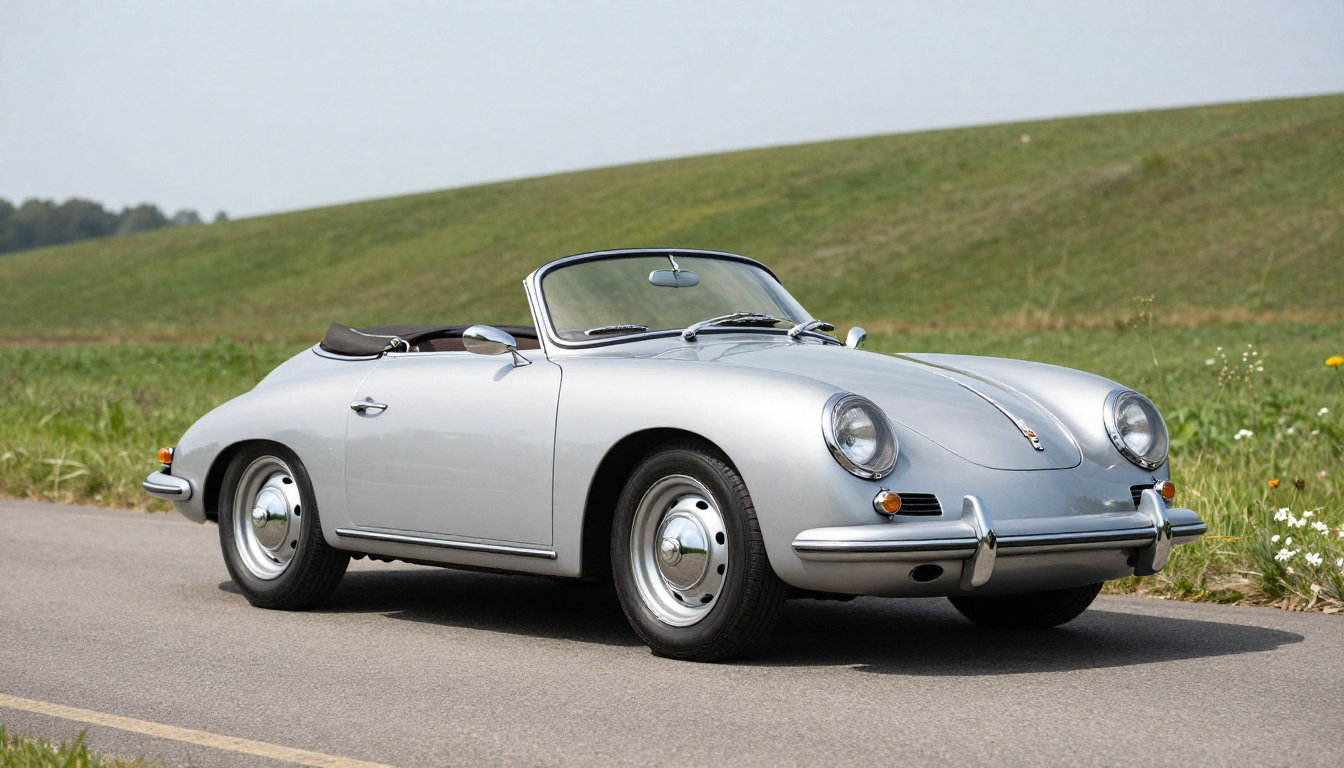
The 1963 Porsche 356B T6 Cabriolet features a squared-off front hood, twin engine-lid grilles, and an external fuel filler. Authenticity relies on matching numbers verified via the Porsche Kardex, crucial for 1600S and Super 90 variants. This aesthetic refinement reflects the final evolution of the T6 chassis.
T6 Body Evolution and External Features
The T6 body introduced a distinctively squared-off front hood. We observe a significantly larger glass area than before. These modifications notably increased visibility.
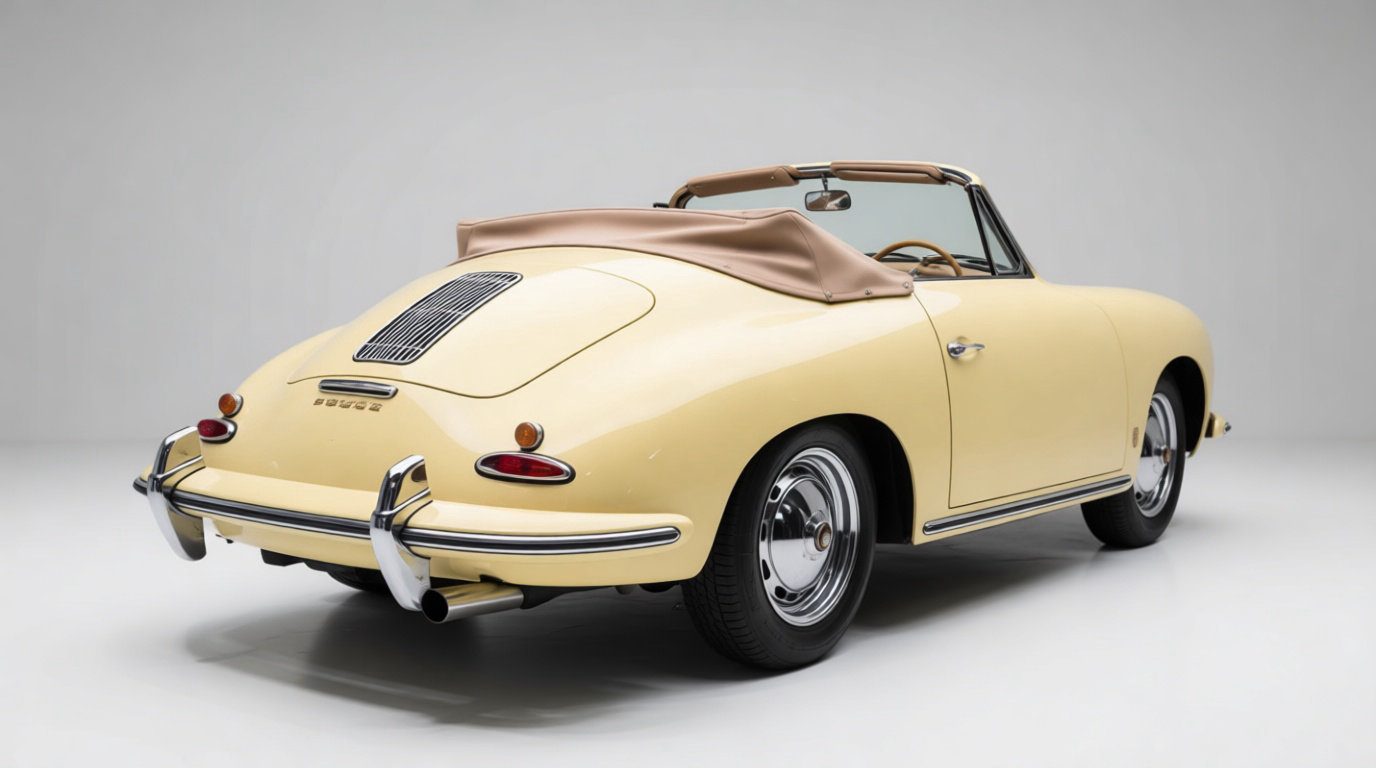
At the rear, twin engine-lid grilles define the silhouette. A unique external fuel filler neck sits on the right fender. You will recognize this as a hallmark of 1963.
Such updates clearly improved daily usability. They prepared the ground for the mechanical robustness found in these final B models.
Mechanical Reliability and Air-Cooled Basics
The air-cooled flat-four engine remains a masterpiece of simplicity. It earned a solid reputation for reliability during long-distance touring. Its engineering was remarkably effective for the era.
Refinements from the T5 to T6 chassis reached their peak here. This 1963 model year represents the ultimate development before the 356C transition. It is a mature machine.
We must emphasize regular oil changes. Mechanical fatigue is rare if you strictly follow the basic maintenance schedule.
The 1600 and 1600S Standard Variants
While the bodywork remained consistent, the real character of the 1963 Cabriolet was defined by what sat behind the rear axle.
The standard 1600 engine produces 60 hp. It was the entry-level choice for casual cruising. This flat-four offers enough torque for city driving. However, it lacks high-end punch. Most buyers preferred the slightly more spirited 1600S version.
The 1600S variant delivers 75 hp through specific improvements. It utilized higher compression and different carburetion for better response. This version remains the most common choice for modern collectors seeking a balanced driving experience.
We often find Zenith carburetors on these models. They require precise tuning for optimal performance.
Pour votre recherche, voici les spécifications techniques clés :
- 1600 Engine: 60 hp
- 1600S Engine: 75 hp
- Top Speed: ~100-110 mph
- Transmission: 4-speed manual
The Super 90 High-Performance Configuration
For those demanding more urgency from their flat-four, Porsche offered the Super 90 as a bridge to racing performance.
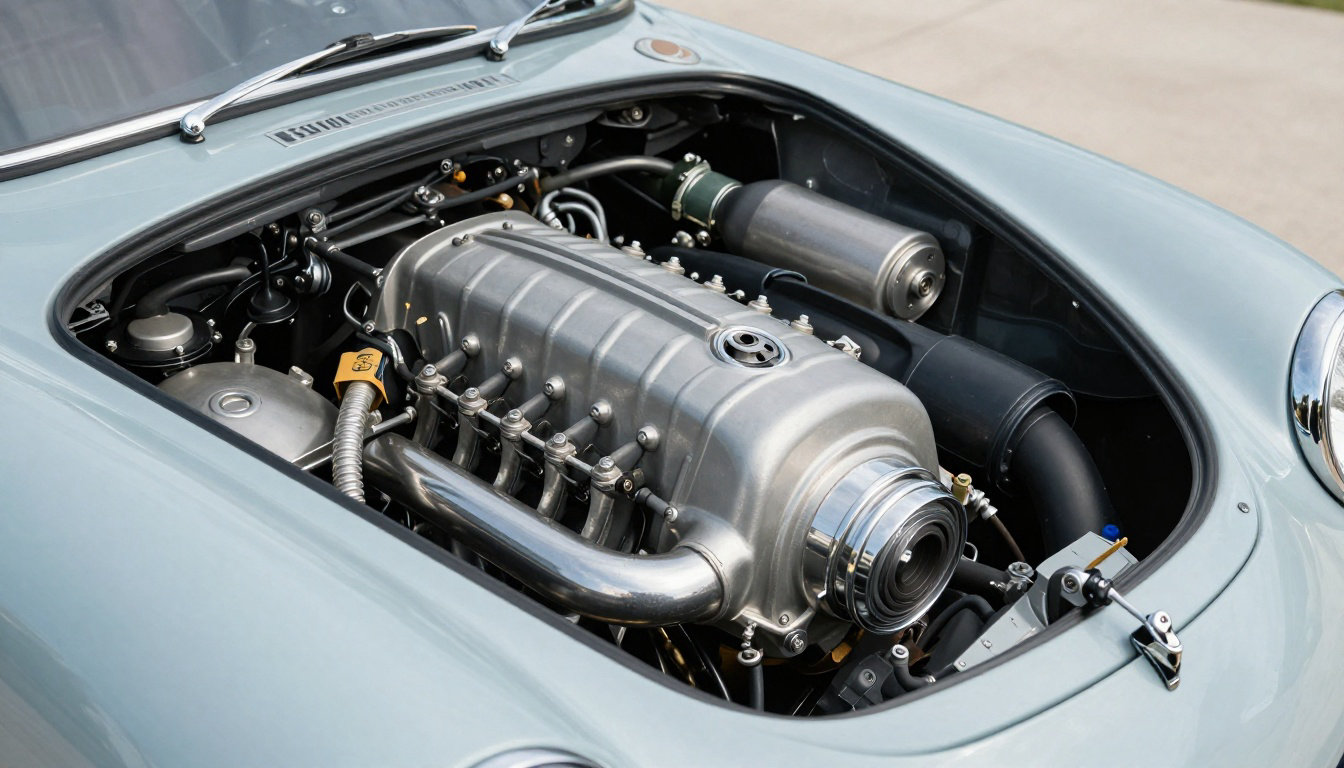
The Super 90 designation represented a significant leap, producing 90 horsepower at higher RPMs. We find a counterweighted crankshaft and sodium-filled valves, meticulously engineered for superior heat dissipation during spirited drives.
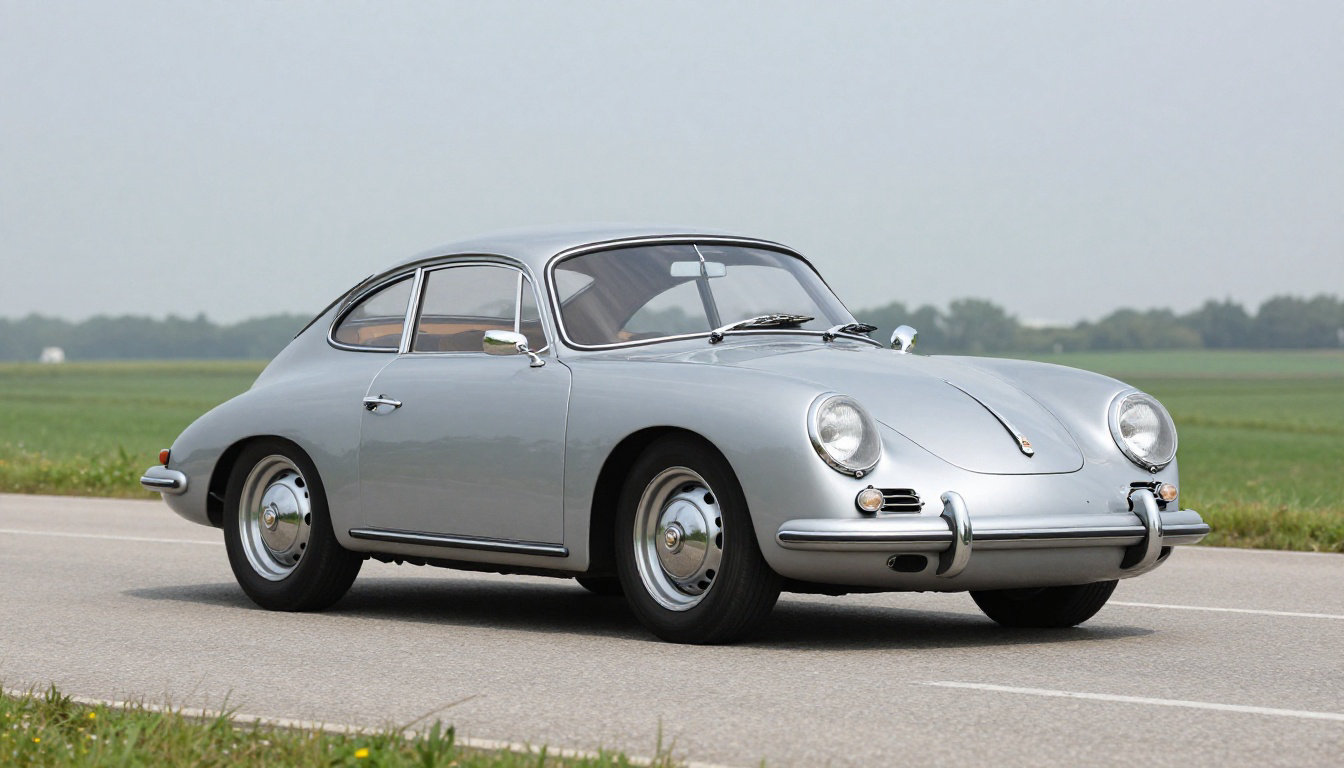
You will notice that the driving dynamics feel significantly faster than the 1600S. It utilized Solex carburetors, which provided us with a more aggressive throttle response during every acceleration.
Porsche also integrated a unique camber compensator spring in the rear. This suspension update helped manage the extra power in corners, making the Cabriolet much more stable.
| Feature | 1600S | Super 90 |
|---|---|---|
| Horsepower | 75hp | 90hp |
| Carburetion | Zenith | Solex |
| Suspension | Standard | Compensator |
| Rarity | Common | Desirable |
The Carrera 2 Four-Cam Collector Peak
At the very top of the 1963 hierarchy sat the legendary Carrera 2, a machine that shared more with race cars than road cars.
The 2.0-liter Type 587/1 engine remains a mechanical masterpiece. This complex four-cam powerplant produced a staggering 130 horsepower. Such output was massive for the era. Maintenance demands a specialist possessing profound expertise in these specific high-performance engines.
We must highlight the pivotal introduction of disc brakes. The Carrera 2 was the first 356 to utilize Porsche’s unique annular disc system. This innovation provided the essential stopping power required for its increased velocity.
The Carrera 2 Cabriolet is an extreme rarity. Only a handful left the factory. Today, they represent million-dollar centerpieces.
Owning a four-cam is a serious commitment to preservation. It stands as the ultimate expression of the 356 series. You are not just driving; you are guarding a legacy.
Reutter and Karmann Coachbuilder Distinctions
Beyond the engine, the physical assembly of the 356B was handled by master coachbuilders, each leaving a subtle mark.
Reutter served as the primary coachbuilder for the 1963 Porsche 1963 cabriolet. Their meticulous craftsmanship established the high quality standards we associate with Porsche today. You should look for the Reutter badge on the lower fender to confirm its origin.
Karmann also played a significant role in production. While they are famous for the “Hardtop” Coupe, they assisted with general production overflow as demand grew. Collectors often debate the subtle differences in weld quality and panel gaps.
The Drauz Roadsters provide a vital context for this evolution. Although Roadster production ended earlier, the 1963 Cabriolet inherited lessons from those lighter variants. This resulted in a machine that successfully combined open-air luxury with structural rigidity.
We have summarized the essential distinctions to help you identify these variations during your next inspection:
- Reutter: Primary Cabriolet builder
- Karmann: Secondary production support
- Badge Location: Lower front fenders
- Key Difference: Interior trim finishing details
Authenticity Verification and Market Pricing
Finding a 356B is one thing, but ensuring it is the genuine article requires a deep dive into its historical records.
Verifying Matching Numbers and Documentation
The Kardex system represents the original factory record. This document tracks the car’s initial build meticulously. It confirms if the engine and transmission numbers currently installed are original to the chassis.
We also rely on the Porsche Certificate of Authenticity (CoA). This essential document lists factory options and original paint codes. It proves a car’s provenance during high-stakes sales or auctions.
Check for hidden stamps. Look for chassis numbers on floorboards and hood hinges. These verify the body is original.
Current Valuation Trends and Auction Data
Market trends show steady prices for 1963 Cabriolets. Concours-quality 1600S models often fetch six figures. Carrera variants reach significantly higher levels at major auctions today.
The “project car” market is tightening. Barn finds needing full restoration are increasingly rare. You should expect high restoration costs when purchasing a vehicle with significant rust issues.
Current market estimates:
- Project Car: $60k-$90k
- Driver Quality: $120k-$160k
- Concours/Super 90: $180k+
- Carrera 2: $500k+
Owning a 1963 Porsche 356B cabriolet means mastering the T6’s refined aesthetics, mechanical reliability, and verified authenticity. Secure your legacy by choosing a documented Super 90 or Carrera 2 today. This timeless machine transforms every journey into a visceral, open-air masterpiece.